2026 Best Portable Solar Chargers What Are They Used For?

Time:2026-11-01 Author:Sophia
0%

Portable solar chargers turn daylight into stored power for phones, GPS units, headlamps, and small battery packs. What are portable solar chargers used for? Most often, they provide a backup when wall outlets are unavailable: at a campsite, on a long hike, or during a power outage. They are not magic panels. A cloudy afternoon, tree cover, or a charger left flat on the ground can sharply reduce output.

“Treat a portable solar charger as a way to extend your battery, not as a guaranteed replacement for the grid.” This practical guidance reflects common solar-power principles, but I can’t reliably attribute it to a named expert without a verifiable source. In this 2026 guide, we’ll compare charger types, output, weight, weather resistance, and device compatibility so you can choose with realistic expectations.

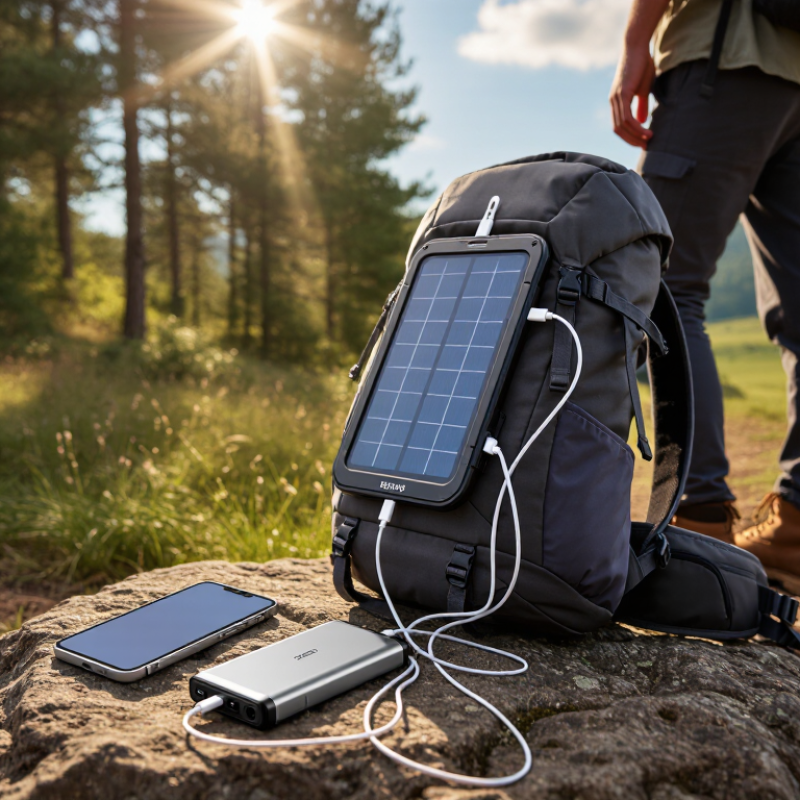
Picture a panel clipped to a backpack, collecting sun while you pause for lunch. That may help top up a phone, though charging can be slow and uneven. Small panels suit lighter devices; larger panels paired with a power bank offer more flexibility at camp. Check the maker’s rated output, ports, and charging limits before buying. Keep the panel in direct sun, but move your device or battery pack out of excessive heat. A little patience helps. The trade-off is real: portable solar offers independence, but sunlight, setup, and time still matter.
2026 Best Portable Solar Chargers What Are They Used For?

What Portable Solar Chargers Are and How They Generate Electricity

Portable solar chargers are compact photovoltaic panels. They convert daylight into electricity for phones, lights, and small batteries. Inside each cell, semiconductor layers respond to incoming light. The released electrons create direct current, or DC. A controller and USB converter regulate that current for charging. Some units store energy in an internal battery; panel-only models need a device or power bank connected. Real output is messier. Clouds, shade, panel angle, and heat can reduce energy harvest, so a printed watt rating is not a daily guarantee.

IEA PVPS’s Trends in Photovoltaic Applications 2024 estimates that about 447 gigawatts of solar capacity was added worldwide in 2023, bringing cumulative capacity to roughly 1.6 terawatts. Those figures describe the wider photovoltaic industry, not the output of a small charger. For a backpacking panel, practical performance depends on sunlight reaching the cells and the device accepting the supplied current. A panel clipped to a pack may face away from the sun for hours. Placing it flat in direct sunlight can help, though frequent repositioning is easy to forget. NREL’s PVWatts model likewise uses location and system conditions to estimate solar production, underscoring why real-world output varies.

How Portable Solar Chargers Store and Deliver Power

Portable solar chargers turn sunlight into usable electricity through photovoltaic cells. These cells produce direct current when light strikes their surface. A built-in controller regulates the flow, helping protect connected devices from unstable voltage. Some models store energy in an internal battery; others send power directly to a phone or power bank.

Storage matters when clouds pass or evening arrives. A battery’s capacity, measured in watt-hours or milliamp-hours, indicates how much energy it can hold, though real output varies with conversion losses. A USB port then delivers power to a phone, headlamp, or small camera. Check the charger’s rated output and your device’s requirements. A large panel does not guarantee fast charging.

In practice, placement makes a noticeable difference. Set the panel in direct sun, angle it toward the light, and keep it clear of shade from branches or a tent flap. Even a narrow shadow can reduce output. Keep the battery out of excessive heat; hot gear is uncomfortable, and heat can shorten battery life. I have found that advertised charging times can be optimistic. Sunlight shifts, and people rarely stop moving to keep a panel perfectly aimed. A small power bank can help bridge those gaps.

2026 Best Portable Solar Chargers What Are They Used For? - How Portable Solar Chargers Store and Deliver Power

Use Case Typical Portable Setup How It Stores Power How Power Is Delivered Practical Considerations
Charging a phone outdoors A compact panel, commonly rated around 5–15 W, or a solar power bank with an integrated panel A panel-only charger produces electricity in sunlight but usually does not store it. A power-bank model stores energy in an internal rechargeable lithium-ion battery. Typically through a 5 V USB output; some models also provide USB-C output. Direct sunlight and correct panel positioning matter. Charging a battery bank first can provide steadier charging than connecting a phone directly to a panel.
Multi-day hiking and backpacking A lightweight folding panel, often around 10–25 W, paired with a separate power bank The panel converts sunlight into electrical energy; the power bank stores that energy for use after sunset or when sunlight is unavailable. Commonly via USB-A or USB-C, depending on the panel and battery bank. Cloud cover, shade, season, and limited daylight can reduce energy production. Panel weight and safe attachment are important on a hike.
Camping and day trips A folding panel around 10–30 W, often used with a USB power bank Energy may be stored in an external battery bank; a panel without a battery supplies power only while suitable sunlight is available. USB outputs can charge small electronics; some larger units include regulated DC outputs. Place the panel in direct sun and keep the connected battery or device within its stated operating-temperature range.
Emergency phone backup A compact solar power bank, often listed with a capacity of several thousand to tens of thousands of mAh An internal lithium-ion cell stores energy. The solar panel on compact power banks is generally best treated as a slow top-up source, not a rapid recharge method. Usually through USB; charging speed depends on the output rating and the connected device. Keep the power bank charged before an emergency. Capacity in mAh is commonly measured at the cell voltage, so usable energy at a USB output is lower after voltage conversion and other losses.
Small USB-powered accessories A panel or battery bank with an output compatible with the accessory A panel can provide power in sunlight; a battery bank can store energy for later delivery. USB power is suitable only when the accessory accepts the charger’s output voltage and current. Check the device’s input requirements. A solar charger is not automatically suitable for every battery or electronic device.
Higher-demand devices A larger folding panel or portable power station with a compatible solar input A power station stores energy in a larger internal battery; the panel itself generates electricity but does not store it. Depending on the equipment, power may be supplied through USB-C, regulated DC, or an AC inverter. Confirm the device’s power draw, connector, input limits, and required charging protocol. Small USB solar chargers are generally not intended for high-power appliances.

How the process works: Solar cells convert sunlight into DC electricity. A charge controller or power-management circuit regulates the input; an attached battery stores energy chemically, and an output circuit supplies the voltage and connection required by a device. Actual charging performance varies with sunlight, panel angle, temperature, shading, and conversion losses.

Common Uses for Portable Solar Chargers

Portable solar chargers are useful when wall outlets are scarce, but they work best as a slow, steady backup. On a day hike, a foldable panel attached to a backpack can collect sunlight during breaks. It may top up a phone or small power bank for maps, calls, and photos. Keep the panel facing open sky; even a narrow branch shadow can reduce charging.

At campsites, travelers use portable chargers to replenish headlamps, GPS devices, and compact USB batteries. A power bank makes this setup more dependable: charge it in daylight, then use it after sunset. Small win. For remote work or long road trips, a charger can extend a phone’s or tablet’s usable time, though larger devices may draw power faster than a small panel can supply it.

These chargers can also help during short power outages, especially for communication and other low-power needs. Place the panel outdoors in direct sunlight when possible; window glass and changing light can slow charging. Check the charger’s output and cable compatibility before leaving home. Cloud cover, poor angles, and heat all matter. A common oversight is packing a panel without testing it first. Solar charging rewards patience, not urgency.

Main Types and Features of Portable Solar Chargers in 2026

Portable solar chargers generally come in three forms: compact panels, foldable multi-panel kits, and units with a built-in battery. Compact panels suit day hikes and small devices, while larger foldable models can collect more sunlight at a campsite. A built-in battery stores energy for later, which helps when clouds pass or daylight fades. They are not equally portable. Check folded size and weight before choosing.

Key features include rated wattage, output ports, charging indicators, and weather resistance. Wattage describes potential under favorable test conditions, not guaranteed daily output. Shade matters. Even a small shadow can reduce panel performance, so adjustable stands help aim the surface toward direct sun. USB ports may charge phones, while some models support larger battery packs. Check device requirements and cable compatibility; a high wattage label alone does not ensure a good match. Real-world output varies with season, angle, temperature, and cloud cover.

Tips: Place the panel in open sun and reposition it as the sun moves. Keep electronics connected only as directed by the manufacturer. A short test at home can reveal slow charging before a trip. I still find estimates imperfect: changing clouds make exact charging times hard to predict.

2026 Best Portable Solar Chargers: Types, Uses & Typical Output

How to read this chart: Compact folding panels are suited to topping up phones and small devices; mid-size panels can charge phones, GPS units, and power banks; larger folding panels can support higher-demand devices when paired with a compatible power station. The wattages shown are representative examples within common product ranges, not market averages. Actual output varies with sunlight, panel angle, temperature, and shading.

How to Choose a Portable Solar Charger for Your Needs

2026 Best Portable Solar Chargers What Are They Used For?
How to Choose a Portable Solar Charger for Your Needs

Start with what you need to power. A phone, GPS unit, and headlamp have different energy demands, so check their battery capacities and charging inputs before choosing a panel. A charger’s advertised wattage is a best-case figure, not a promise of steady output. NREL’s PVWatts Version 5 documentation uses a 14% system-loss assumption for grid-connected solar estimates. It is not a portable-charger rating, but it shows why real output falls below ideal figures. Shade, heat, panel angle, and cable losses matter. The math is imperfect.

Match the panel’s USB output to your device, and consider a built-in or separate battery if you need power after sunset. For a day hike, weight and folded size may matter more than maximum wattage. For a multi-day trip, prioritize enough capacity and a panel you can reposition toward direct sun. Check the manufacturer’s stated output conditions and weather resistance; ratings can be hard to compare.

Tips: Test the setup at home. Place the panel in full sun, connect one device, and note how quickly its battery rises. Recheck the angle every so often. A partly shaded panel can disappoint, even when the sky looks bright. Don’t plan around the ideal number alone.

FAQS

What is a portable solar charger?

It is a compact photovoltaic panel that turns daylight into electricity for small devices. Some models also store energy.

How does a solar charger produce electricity?

Light moves electrons inside semiconductor cells, creating direct current. A controller and USB converter regulate the output.

What devices can it charge?

It may charge phones, lights, GPS units, and small batteries. Check each device’s battery capacity and charging input.

Does the advertised wattage guarantee steady charging?

No. Clouds, shade, heat, panel angle, and cable losses can reduce output. The printed number is not a daily promise.

How should I position a portable panel outdoors?

Aim it toward direct sunlight and adjust its angle when practical. A panel clipped to a backpack may face away from the sun.

Should I choose a charger with a built-in battery?

Consider one if you need power after sunset. Panel-only models need a connected device or separate power bank.

What matters most for a day hike?

Weight and folded size may matter more than maximum wattage. A small panel can be easier to carry.

How can I test a charger before a trip?

Put it in full sun, connect one device, and watch the battery level. Recheck the angle occasionally. The result is only a rough guide.

Conclusion

Portable solar chargers use photovoltaic panels to convert sunlight into electricity. Depending on the design, they may send power directly to a connected device or store it in a built-in battery for later use. Understanding how energy is collected, stored, and delivered helps set realistic expectations: charging speed depends on sunlight, panel size, device requirements, and battery capacity.

What are portable solar chargers used for? They can help recharge phones, small electronics, and compatible power banks during camping, hiking, travel, or other activities away from an outlet. In 2026, options range from compact panels for lightweight travel to larger folding models with multiple ports and added battery storage. To choose one, consider what you need to power, how often you will have reliable sunlight, how much charging capacity you need, and how easy the charger is to carry.

Sophia

Sophia

Sophia is a dedicated marketing professional with an exceptional depth of knowledge about her company's products and services. With a keen understanding of market trends and customer needs, she crafts insightful blog posts that not only inform but also engage readers, enriching the company’s online......