Benefits of Off Grid Solar Systems for Global Buyers?

Time:2026-07-27 Author:Sienna
0%

In an era where energy independence is more valuable than ever, off-grid solar systems emerge as a compelling solution for global buyers. These systems offer a sustainable way to harness solar energy without relying on the main power grid. But many still wonder, what are the benefits of off-grid solar systems?

One key advantage is accessibility. Remote areas often lack reliable energy sources. Off-grid solar can bring power to these locations. Additionally, these systems reduce electricity bills by harnessing free solar energy. Homeowners enjoy significant savings over time. However, it requires an initial investment that not everyone can afford.

Environmental benefits cannot be overlooked. Using off-grid solar significantly reduces the carbon footprint. As global temperatures rise, sustainable solutions become paramount. Yet, the technology is not infallible; equipment can fail, and weather conditions can affect performance. These challenges remind us to weigh both the benefits and limitations of off-grid solar solutions carefully.
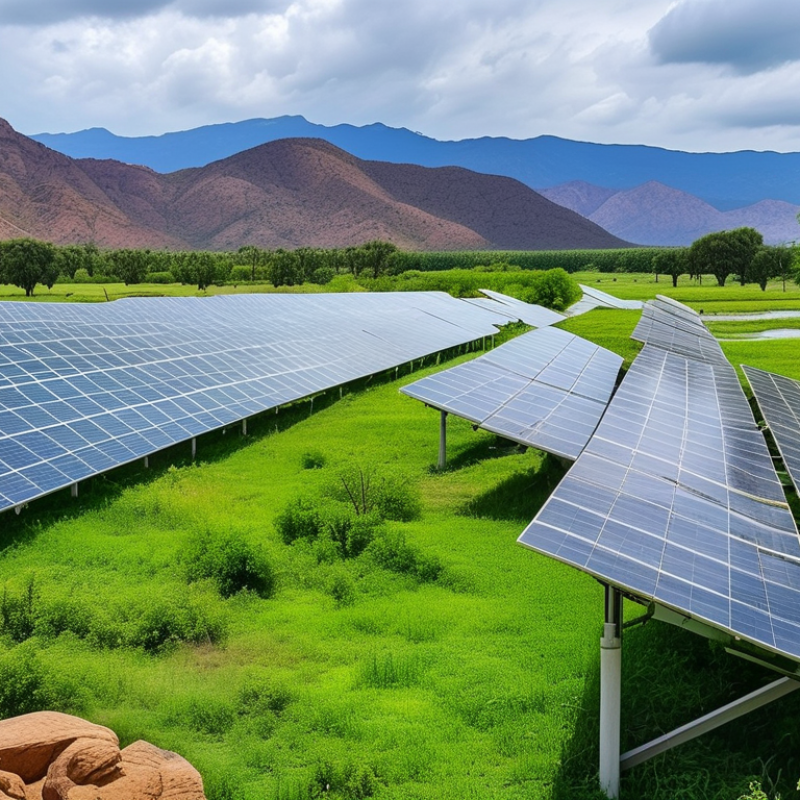
Benefits of Off Grid Solar Systems for Global Buyers?

Understanding Off Grid Solar Systems and Their Components

Off-grid solar systems offer a sustainable energy solution for those looking to reduce reliance on traditional power sources. These systems consist of solar panels, batteries, inverters, and charge controllers. Each component plays a vital role in harnessing solar energy efficiently.

The solar panels convert sunlight into electricity. This electricity is then stored in batteries for use when the sun isn’t shining. Inverters convert stored DC power into AC power for appliances. Charge controllers manage the battery charging process to prolong battery life. Understanding these components is essential for effective use.

Tip: Regular maintenance of solar panels keeps them efficient. Clean the panels every few months to maximize sunlight absorption.

It’s important to size the system correctly. Oversizing can lead to unnecessary costs, while undersizing may not meet energy needs. This balance requires careful assessment of daily energy consumption.

Tip: Monitor your energy use. This helps in adjusting your solar setup accordingly and saves money.

With off-grid solar systems, energy independence is more attainable. However, the initial setup requires careful planning and research. Evaluate all options to ensure reliability and effectiveness.

Key Advantages of Off Grid Solar Systems for Global Buyers

Off-grid solar systems offer notable advantages for global buyers, especially in areas with limited access to traditional energy sources. These systems operate independently from the grid, reducing electricity costs for users. According to a recent report by the International Renewable Energy Agency (IRENA), off-grid solar solutions can lower energy expenses by up to 80% in remote regions.

The reliability of off-grid solar systems is another key benefit. They provide a continuous energy supply, even during outages. A study published in the *Renewable Energy* journal found that regions investing in off-grid solutions saw a 30% increase in economic activities. This illustrates how energy independence can fuel local economies and enhance living standards.

Tip: When considering off-grid solar systems, assess local sunlight availability. This can greatly influence the efficiency of solar panels. Also, evaluate your energy needs before making a purchase. Systems can vary significantly in capacity.

Sustainability is crucial. Off-grid solar eliminates reliance on fossil fuels, reducing carbon footprints. However, initial investment costs can be high, leading to hesitation from potential buyers. Understanding the long-term savings versus upfront costs is vital. Balancing financial commitments with environmental benefits requires thoughtful consideration.

Benefits of Off Grid Solar Systems for Global Buyers

This chart illustrates the key advantages of off grid solar systems for global buyers. The data reflects the perceived benefits, with energy independence and environmental impact being the most significant factors.

Environmental Impact of Using Off Grid Solar Energy Solutions

The environmental impact of off-grid solar energy solutions is profound. A report by the International Renewable Energy Agency (IRENA) states that renewable energy sources can reduce carbon emissions by as much as 70% by 2050. Off-grid systems contribute significantly to this goal. They empower remote communities that lack access to the conventional power grid, reducing dependence on fossil fuels.

Off-grid solar solutions provide clean energy, minimizing air pollution and supporting global climate goals. According to the World Bank, about 940 million people still live without electricity. Solar systems can be deployed in these areas, allowing for sustainable development. Local fauna and flora benefit from reduced noise and air pollution levels.
However, there are challenges. The production of solar panels requires energy and resources that can impact local ecosystems. Mineral extraction can threaten biodiversity if not managed responsibly. It's crucial to balance the benefits of solar energy with its environmental footprint. Data shows that while solar energy lowers greenhouse gas emissions, the life cycle of solar technology must be continually assessed.

Cost-Effectiveness of Off Grid Solar Systems for Consumers

Off-grid solar systems offer a significant cost advantage for consumers seeking energy independence. By eliminating monthly utility bills, homeowners can recoup their initial investment over time. These systems primarily depend on sunlight, making energy virtually free after installation. Plus, maintenance costs are relatively low. For many, this means long-term savings that can enhance financial stability.

While the upfront costs can be daunting, many buyers find relief in government incentives and financing options. These financial aids make solar access more attainable. However, potential buyers should consider their energy needs and local solar potential before committing. Some areas may not receive enough sunlight year-round, raising efficiency concerns. Additionally, battery storage can be pricey and affect overall savings.

Reliability is another factor to ponder. Without grid access, energy supply relies solely on solar and battery systems. Fluctuations in weather can impact electricity availability. Consumers should realistically assess their consumption habits and understand the trade-offs involved. Embracing off-grid solar requires thoughtful planning but promises financial and environmental rewards in the long run.

Benefits of Off Grid Solar Systems for Global Buyers

Benefit Description Estimated Savings (%) Environmental Impact
Energy Independence Users generate their own electricity, reducing dependency on grid power. 50% Reduces fossil fuel consumption
Cost Savings Lower electricity bills over time with reduced grid reliance. 70% Decreases carbon footprints
Increased Property Value Homes with solar systems often sell for more. 10-30% Promotes sustainable living
Low Maintenance Costs Solar systems have minimal upkeep requirements. 20% Less pollution from energy production
Energy Resilience Less affected by power outages and grid failures. Varies Supports renewable energy growth

Challenges and Considerations When Implementing Off Grid Solar Solutions

Implementing off-grid solar systems presents unique challenges. One significant issue is the initial cost. Setting up these systems often requires a substantial investment. Buyers must consider not only the solar panels but also batteries and inverters. It's important to create a comprehensive budget upfront.

Maintenance is another critical aspect. Regular upkeep ensures optimal performance. Buyers may need to dedicate time and resources for inspections and repairs. Keeping the system running efficiently might require hiring professionals. Local expertise can be invaluable in this regard.

Tips: Research local regulations. Each region has different rules regarding solar installations. Understanding these can prevent future complications. Also, consider your energy needs carefully. Overestimating energy consumption can lead to unnecessary expenses. Accurate calculations will improve efficiency and save money.

FAQS

: What are the key components of off-grid solar systems?

: Off-grid solar systems include solar panels, batteries, inverters, and charge controllers. Each component plays an essential role.

How do solar panels work?

Solar panels convert sunlight into electricity. This electricity is stored in batteries for later use.

Why is system sizing important?

Correct sizing ensures cost-effectiveness. Oversizing leads to unnecessary expenses, while undersizing may not meet energy demands.

What maintenance do solar panels require?

Regular cleaning every few months helps maximize sunlight absorption. This keeps the panels efficient over time.

What financial benefits do off-grid solar systems offer?

These systems eliminate monthly utility bills, leading to long-term savings and greater financial stability.

What should be considered before installation?

Assess energy needs and local sunlight availability. Some regions may have fluctuating solar potential.

How does battery storage impact costs?

Battery storage can be expensive, affecting overall savings. It's essential to factor this into your budget.

What challenges exist with off-grid systems?

Weather can impact energy availability. Consumers must assess their habits and be prepared for fluctuations.

Are there financial incentives for solar systems?

Yes, many areas offer government incentives and financing options that make solar access more affordable.

What is the impact of using off-grid solar systems?

These systems promote energy independence. However, they require careful planning to ensure reliability and effectiveness.

Conclusion

Off-grid solar systems are gaining traction among global buyers due to their capacity to provide energy independence and sustainability. What are the benefits of off-grid solar systems? They include reduced reliance on traditional power grids, lower energy bills, and the ability to harness renewable energy in remote locations. These systems typically consist of solar panels, batteries, and inverters, making them adaptable for various energy needs.

Moreover, off-grid solar solutions contribute positively to the environment by decreasing carbon footprints and promoting clean energy use. They prove to be cost-effective over time, despite initial investment hurdles, as they reduce ongoing energy costs. However, potential buyers should be aware of challenges like installation complexities and maintenance needs when opting for these systems, ensuring they choose the right solution for their specific requirements.

Sienna

Sienna

Sienna is a skilled marketing professional with a deep expertise in our company’s core products and services. With a passion for innovation and detail, she plays a pivotal role in crafting insightful blog posts that not only highlight the unique features of our offerings but also provide valuable......