What Are the Best Uses for Portable Solar Chargers?

Time:2026-06-16 Author:Sophia
0%

Portable solar chargers are emerging as practical gadgets for many outdoor enthusiasts. These devices harness sunlight to charge your electronics, providing power in off-grid scenarios. But what are portable solar chargers used for?

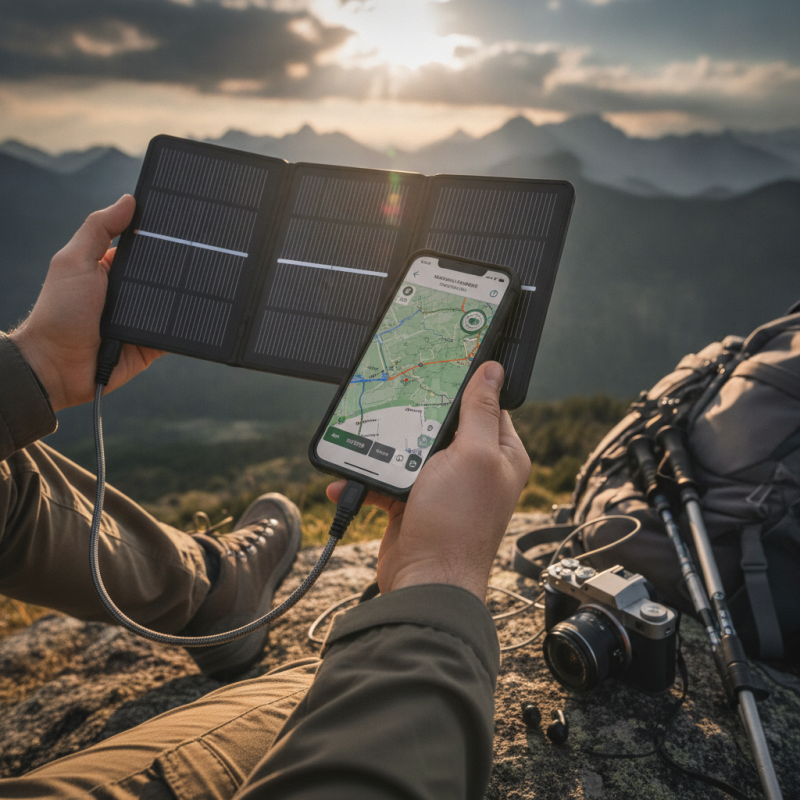
For hikers, campers, and travelers, staying connected is vital. A portable solar charger can keep your phone active for navigation. It can power your camera for capturing scenic moments. Furthermore, many users find it useful for charging wireless headphones and other small devices.

However, there are limitations. Cloudy days can hinder efficiency, and not all models provide enough power for larger gadgets. It's essential to choose a model based on your needs. Reflecting on your specific use case will help maximize the benefits of these chargers. Understanding their effectiveness can guide you in smarter outdoor planning.
What Are the Best Uses for Portable Solar Chargers?

Best Use Cases for Portable Solar Chargers in Outdoor Activities

Portable solar chargers offer significant benefits for outdoor enthusiasts. According to a recent report by the Solar Energy Industries Association, the use of portable solar technologies has surged by over 60% in recent years, reflecting a growing reliance on renewable energy sources in outdoor activities. Hikers, campers, and backpackers find portable solar chargers incredibly useful for keeping their devices powered. Whether it’s GPS units, smartphones, or camera batteries, these chargers serve as reliable energy sources when access to traditional power is nonexistent.

In outdoor environments, exposure to sunlight is plentiful. A solar charger can produce energy in as little as 4-6 hours of direct sunlight, making it a practical tool. However, actual charging times can vary based on factors like weather conditions and the angle of the sun. In overcast conditions, charging may be inefficient. It's crucial to be aware of these limitations when planning a trip. Not all solar chargers perform the same under different circumstances. Users often need to test different models to find the right fit for their activities.

Battery capacity also poses a challenge. Many portable solar chargers have limited storage. Users might find themselves needing more power than their charger can provide, especially on longer excursions. It’s vital to assess power needs beforehand. Combining a solar charger with a high-capacity power bank can yield a more versatile energy solution. Evaluating these aspects can enhance the outdoor experience, ensuring that devices remain functional and communication lines stay open.

What Are the Best Uses for Portable Solar Chargers? - Best Use Cases for Portable Solar Chargers in Outdoor Activities

Use Case Description Ideal for Charging Capacity
Hiking Keep devices charged while exploring remote trails. Hikers, Backpackers Up to 20W
Camping Power lights, GPS devices, and portable speakers. Campers, Outdoor Enthusiasts 10W - 40W
Traveling Charge devices while on the go, especially in remote locations. Travelers, Backpackers 12W - 30W
Emergency Preparedness Provide backup power during power outages. Survivalists, Emergency Planners 5W - 50W
Events and Festivals Power devices such as phones and cameras during outdoor events. Festival Goers, Event Organizers 10W - 60W

Maximizing Efficiency: How to Choose the Right Solar Charger for Your Needs

When selecting a portable solar charger, efficiency should be a top priority. Analyze your power needs based on the devices you intend to charge. For example, charging a smartphone typically requires around 5 to 10 watts, while laptops need 30 to 60 watts. According to a report by Solar Energy International, understanding wattage is crucial. It helps in choosing a solar charger that can meet your energy demands effectively.


Consider size and weight when choosing a solar charger. Many users prefer lightweight options for travel. Portable chargers vary from 10 watts to over 50 watts. However, larger panels may not be practical for all situations. Research shows that most consumers favor compact designs, but efficiency may decline. For example, a compact 10-watt panel may take longer to charge devices under heavy use, requiring planning.


Durability is another key factor. Many users overlook the weather resistance of chargers. Opt for models that can withstand various conditions. This is especially important for outdoor adventures. Additionally, pay attention to charging speed. Some solar chargers have built-in technology to optimize output. A study from the National Renewable Energy Laboratory highlights the importance of smart features in modern chargers. They improve both efficiency and reliability.

Portable Solar Chargers in Emergency Situations: Data and Insights

Portable solar chargers can be incredibly useful in emergency situations. When disasters strike, access to power may be limited. These chargers can provide a reliable source of energy for essential devices. They can keep your phone charged for communication or your flashlight operational during a power outage. Many people overlook the importance of fully preparing for such scenarios.

In real emergencies, imagine being without power for days. Knowing a portable solar charger is available gives peace of mind. These devices vary in efficiency and output, making it essential to choose the right one. It's important to check how long it takes to fully charge a power bank using solar energy. Inconsistent sunlight can dampen efficiency, which may lead to frustration.

Though they are useful, portable solar chargers have limitations. Performance can drop in cloudy weather. Many users also find that chargers take longer than expected to recharge devices fully. Planning how to maximize their use in emergencies is crucial. Users should practice charging their devices before an emergency happens. Being prepared can make a significant difference when the situation becomes critical.

Cost-Benefit Analysis of Solar Chargers vs. Traditional Power Sources

When considering the cost-benefit analysis of solar chargers versus traditional power sources, it is essential to look at various factors. A report by the International Renewable Energy Agency (IRENA) shows that solar energy sources can significantly reduce operational costs, especially in remote areas. In regions lacking reliable grid access, portable solar chargers can save users up to 50% on energy expenses compared to conventional fuel generators.

The initial investment in solar chargers may seem higher, but the long-term benefits are notable. The U.S. Department of Energy notes that solar technology prices have dropped by over 80% since 2010. This decline makes solar energy solutions more accessible. Many users appreciate that solar chargers require minimal maintenance and have a lifespan of 25 years or more. This longevity means fewer replacements, which can lessen financial stress over time.

However, there are some limitations to consider. Solar chargers depend on sunlight, making them less effective in cloudy or rainy conditions. Users have reported underperformance on overcast days or during winter months. Additionally, storing energy can be a challenge, as portable options often have limited battery capacity. This variability prompts reflection on whether reliance on solar technology is sustainable for every situation. Balancing convenience with performance remains an area for further exploration.

Cost-Benefit Analysis of Portable Solar Chargers vs. Traditional Power Sources

Environmental Impact: Reducing Carbon Footprint with Solar Technology

Portable solar chargers offer practical solutions for on-the-go energy needs. They harness sunlight to generate electricity, contributing to a significant reduction in our carbon footprint. According to the International Energy Agency, solar power can reduce greenhouse gas emissions by up to 70% when replacing fossil fuels.

The impact of solar technology extends beyond individual use. A study by the National Renewable Energy Laboratory found that widespread adoption of solar chargers and solar panels can lead to a decrease of over 40 million tons of CO2 emissions annually. This shift towards renewable energy not only supports climate goals but also inspires collective action for a more sustainable future.

Yet, the effectiveness of portable solar chargers can be limited by environmental conditions. Their efficiency diminishes on cloudy days. Users must also consider battery capacity, which can affect long-term usability. These challenges remind us that while solar technology is promising, it isn't without its imperfections. Awareness of these limitations allows for better planning and improved reliance on renewable sources.

FAQS

: What is the most important factor when choosing a solar charger?

: Efficiency should be your top priority when selecting a solar charger.

How do I determine my power needs?

Analyze the wattage requirements of your devices. For example, smartphones need 5 to 10 watts.

Why is size and weight important for solar chargers?

Lightweight options are preferred for travel, but they can sacrifice some efficiency.

What should I consider regarding durability?

Look for weather-resistant models, especially if you plan outdoor adventures.

How do solar chargers perform in emergencies?

They can provide a reliable energy source when power is limited during disasters.

What affects the charging speed of solar chargers?

Some models have built-in tech to optimize output and improve charging speed.

What should I practice before an emergency?

It's crucial to practice charging devices to prepare for real emergency situations.

Are solar chargers cost-effective compared to traditional power sources?

Yes, they can save up to 50% on energy costs in remote areas compared to fuel generators.

What are the limitations of solar chargers?

Their performance can drop in cloudy weather, affecting charging times and efficiency.

How long do solar chargers last?

They can have a lifespan of 25 years or more, requiring minimal maintenance over time.

Conclusion

Portable solar chargers are versatile tools commonly used in various outdoor activities such as hiking, camping, and picnicking, allowing individuals to keep their devices powered without relying on traditional electricity sources. One of the key benefits of these chargers is their ability to harness sunlight, making them ideal for remote situations where access to power is limited. In addition, choosing the right solar charger enhances efficiency, ensuring users get the most out of their devices.

In emergency situations, portable solar chargers prove invaluable, providing crucial power for communication and safety devices when conventional power sources fail. Furthermore, conducting a cost-benefit analysis reveals that while the initial investment may be higher compared to traditional chargers, the long-term savings and sustainability benefits, including a reduced carbon footprint, make them a compelling choice for environmentally conscious consumers. Ultimately, understanding "what are portable solar chargers used for" is essential for maximizing their benefits in various scenarios.

Sophia

Sophia

Sophia is a dedicated marketing professional with an exceptional depth of knowledge about her company's products and services. With a keen understanding of market trends and customer needs, she crafts insightful blog posts that not only inform but also engage readers, enriching the company’s online......