Remote monitoring of solar energy production is an essential practice for optimizing performance. Many energy users ask, "How to monitor solar energy production remotely?" This process involves using various tools and technologies. With the right setup, efficiency can be significantly enhanced.
Solar panel systems generate energy, but tracking their production can be challenging. Users often rely on various software and hardware solutions. Some platforms provide real-time data, alerts, and analytics. However, not every option is the same—some lack precision. Choosing a reliable system requires careful consideration.
Many factors influence these choices. The type of solar technology, local conditions, and personal needs must be assessed. While some solutions are user-friendly, others may demand technical expertise. Understanding these nuances is crucial for effective monitoring. Regular assessment of these systems helps improve energy yield and reliability.
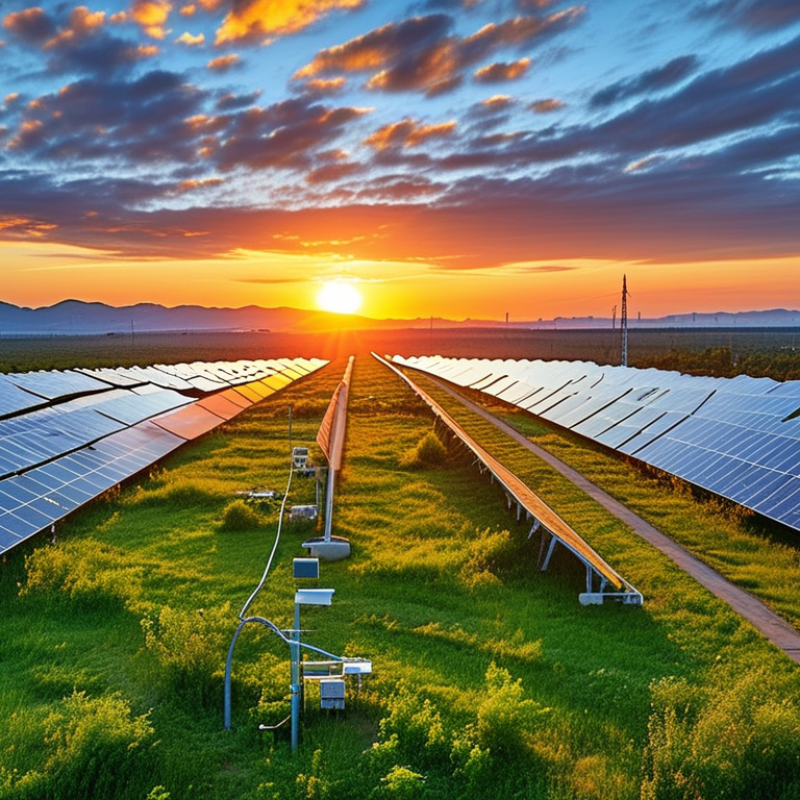
Monitoring solar energy production lies at the heart of optimizing its efficiency. Advanced technologies are now available to remotely track performance. These include IoT sensors, real-time dashboards, and satellite imagery. According to a report from the International Renewable Energy Agency (IRENA), remote monitoring can enhance system performance by nearly 15%. This insight encourages users to select effective monitoring tools.
Tips: Ensure your monitoring system includes alerts for performance drops. Immediate notifications allow you to address issues proactively. A well-configured system can significantly improve energy output.
Data analytics play a crucial role in solar monitoring. By analyzing historical performance data, users can identify trends and anomalies. A study by the National Renewable Energy Laboratory (NREL) indicates that predictive analytics can reduce downtime by over 25%. Such capabilities empower users to make informed decisions regarding maintenance and upgrades.
Tips: Regularly review your data reports to catch potential issues. Consider training for your team on how to interpret these analytics effectively. A sharper understanding can lead to improved system operation.
| Monitoring Method | Description | Advantages | Challenges | Cost Estimate |
|---|---|---|---|---|
| Remote Monitoring Systems | Use of cloud-based platforms to collect and analyze solar energy data. | Real-time data access, easy integration with other systems. | Requires internet connectivity and may be prone to cyber threats. | $300 - $1000 per system |
| IoT Sensors | Deployment of Internet of Things sensors to monitor performance parameters. | High granularity of data, potential for predictive maintenance. | Complex installation, need for regular updates. | $50 - $200 per sensor |
| Mobile Applications | Apps that provide users with performance feedback and analytics. | User-friendly interface, instant notifications on performance issues. | Dependent on smartphone compatibility, limited features on some apps. | Free to $10 per month |
| Data Visualization Tools | Software that transforms data into visual formats for easier understanding. | Enhanced decision-making through data insights, customizable interfaces. | May require technical knowledge to navigate. | $100 - $500 annually |
| Drones for Inspections | Utilization of drones to inspect panels and infrastructure for maintenance. | Efficient for large installations, can cover difficult-to-reach areas. | High initial investment, legal regulations may apply. | $1000 - $5000 for equipment |
: IoT enables seamless real-time data collection for tracking solar production remotely.
Yes, reports suggest IoT can lower operational costs by up to 30%.
Data analytics helps predict energy output, optimizing production based on weather patterns.
Cybersecurity and data privacy are significant concerns for solar companies.
It enhances decisions but is prone to errors, like sensor miscalculations.
Neglecting calibration can lead to inaccurate data and misleading results.
Data visualization tools help identify patterns and anomalies in energy output.
Machine learning analyzes data quickly and predicts performance based on environmental changes.
Users need basic knowledge of machine learning, which can be a challenge.
Yes, balance is crucial for effective solar production analysis and decision-making.
Monitoring solar energy production remotely is essential for optimizing performance and efficiency. This process begins with understanding the various technologies available for solar energy production monitoring, which enable users to track output accurately. Key features of effective remote solar monitoring systems include real-time data access, alert notifications, and user-friendly interfaces.
To effectively analyze solar production data remotely, it’s crucial to implement best practices such as data visualization and trend analysis. Additionally, the integration of IoT technologies enhances the capabilities of solar monitoring systems, providing greater insights into performance metrics. Popular software solutions facilitate effective tracking and management, making it easier for solar energy producers to make informed decisions. Understanding how to monitor solar energy production remotely can significantly improve energy management and sustainability efforts.

 ApexSun Solar