China Best Solar Panels Why Do Some Degrade Faster?

Time:2026-05-09 Author:Charlotte
0%

In recent years, solar energy has gained significant traction in China. Many homeowners and businesses are investing in solar panels to harness renewable energy. However, a critical question emerges: "Why do some solar panels degrade faster?" This issue can impact efficiency and return on investment.

The degradation of solar panels can vary widely due to several factors. Quality of materials plays a crucial role. Some panels use lower-quality components, making them more susceptible to damage. Environmental conditions, such as extreme heat or humidity, also contribute to faster degradation rates. These factors raise concerns among consumers about long-term reliability.

Despite the advances in solar panel technology, variability remains a challenge. Manufacturers sometimes overlook quality control, leading to subpar products on the market. As a result, potential buyers should be cautious. Understanding the factors influencing degradation is essential for making informed decisions. Investing in reputable brands may yield better performance over time.
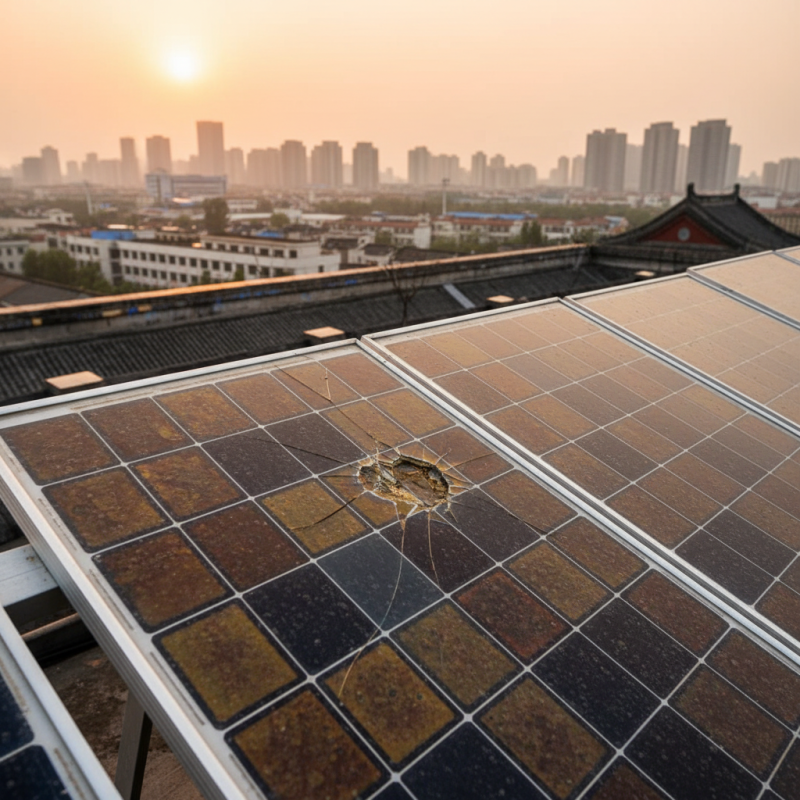
China Best Solar Panels Why Do Some Degrade Faster?

Characteristics of High-Quality Solar Panels in China

When evaluating solar panels in China, several key characteristics determine their longevity and performance. High-quality solar panels typically exhibit lower degradation rates, ensuring they maintain efficiency over time. According to the National Renewable Energy Laboratory (NREL), top-tier panels degrade at around 0.3% annually, while lesser models can degrade at rates above 1%. This significant difference emphasizes the importance of selecting the right panels.

The materials used in solar panels play a crucial role. Premium panels often utilize monocrystalline silicon, known for its high efficiency and space-saving design. Research indicates that panels made with good-quality glass and aluminum frames also enhance durability. In contrast, panels that use inferior materials may exhibit accelerated wear under environmental stressors, like UV exposure or extreme temperatures.

Tips: Always check for warranties. Quality panels should offer at least a 25-year warranty on performance. This guarantees their efficiency and reliability over time. Inspect physical attributes like frame thickness. Thicker frames often suggest better resistance to weather impacts.

It's vital to reflect on the choices made during the purchasing process. Sometimes, cheaper options lure consumers, but the long-term savings of high-quality panels might outweigh upfront costs. An investment in high-quality solar technology is an investment in sustainable energy.

Common Factors Leading to Faster Degradation of Solar Panels

The degradation of solar panels can vary significantly among different installations. Several common factors contribute to this accelerated decline in performance. One major factor is the quality of materials used in the panel's construction. Lower-grade components can lead to reduced efficiency over time. For instance, subpar glass might not withstand weather effects as effectively, allowing moisture intrusion.

Temperature fluctuations also play a crucial role. Extreme heat can lead to thermal stress, weakening the panel structure. Conversely, intense cold can cause contraction and expansion, leading to potential cracks. Additionally, installation practices impact longevity. Panels that are poorly mounted may face increased wear from wind and debris. Regular maintenance is vital, yet many users neglect this aspect. Over time, dust and dirt accumulation reduces light absorption.

Environmental conditions can't be overlooked. Regions with high humidity may experience quicker decay, as constant moisture affects electrical connections. This combination of elements highlights the complexity of solar panel longevity. Making informed choices about materials and installation techniques is essential for enhancing durability. Each factor interacts with others, creating a ripple effect on overall performance.

Influence of Manufacturing Quality on Solar Panel Longevity

The longevity of solar panels greatly depends on their manufacturing quality. Poorly manufactured panels may begin to degrade within a few years. Many factors contribute to this issue, including the materials used, production methods, and quality control processes. High-quality manufacturing ensures better performance, while lower standards can lead to significant degradation.

Some panels exhibit visible signs of wear, such as discoloration or delamination. Such defects can occur due to subpar materials or inadequate testing. Manufacturers who prioritize quality tend to invest in advanced technology and skilled labor. This ensures that the panels are built to withstand environmental stressors over time.

However, even reputable manufacturers may face challenges. For instance, variations in raw materials can lead to inconsistency in product quality. Additionally, environmental factors, like extreme weather, can contribute to faster degradation. These complexities highlight the importance of continuous improvement in manufacturing processes.

Environmental Impacts on Solar Panel Performance and Durability

Environmental factors significantly influence the performance and durability of solar panels. Factors such as temperature, humidity, and pollution levels can lead to varying degradation rates. For instance, high temperatures can increase resistance in solar cells, reducing their efficiency over time. Similarly, regions with high humidity can foster corrosion, affecting the panel's lifespan.

Solar panels exposed to harsh weather conditions might also degrade faster. Frequent storms, heavy snowfall, or extreme UV exposure can wear down protective coatings. In urban areas, air pollution can accumulate on surfaces, diminishing light absorption. This constant exposure leads to a gradual decline in energy output.

It's essential for consumers to consider local environmental conditions before installation. A deeper understanding of these factors can lead to better choices. While solar technology continues to improve, some challenges remain. Reflecting on these issues helps in making informed decisions about solar investments.

China Best Solar Panels: Why Do Some Degrade Faster?

Impact Factor Description Degradation Rate (%) Average Lifespan (Years)
Temperature Fluctuation Extreme temperature changes can cause thermal expansion and contraction, leading to material stress. 0.5 - 1.5 25 - 30
Humidity High humidity levels can lead to corrosion of metal components. 1 - 3 20 - 25
UV Radiation Prolonged exposure to UV rays can degrade materials more rapidly. 0.3 - 1.0 25 - 30
Dust and Dirt Accumulation Accumulation reduces efficiency and can lead to hotspot formation. 0.5 - 1.2 20 - 25
Manufacturing Quality Poor manufacturing can lead to early failures and inefficiencies. 1 - 5 15 - 20

Maintenance Practices to Extend the Lifespan of Solar Panels

Proper maintenance is crucial for extending the lifespan of solar panels. According to a study by the National Renewable Energy Laboratory (NREL), regular inspection and cleaning can improve energy output by 20%. Dust and debris buildup can significantly impair performance. In regions with high pollution or frequent dust storms, this maintenance becomes even more critical.

Routine checks should focus on identifying cracks or signs of wear. An exposed panel can lead to efficiency loss. Monitoring the inverter is also essential, as it manages energy conversion. Data from the Solar Energy Industries Association (SEIA) suggests that inverters may need replacement every five to ten years. However, overall system upkeep can extend their life cycle.

Environmental factors play a role too. Extreme temperatures can affect panel efficiency. As per the Fraunhofer Institute, solar panels in hot climates may degrade 0.5-1% faster per year. This emphasizes the need for localized maintenance plans. Understanding these nuances helps owners maximize return on investment.

FAQS

: What affects the longevity of solar panels?

: Manufacturing quality is a significant factor. Poorly made panels may degrade in just a few years.

How can environmental conditions impact solar panels?

High temperatures, humidity, and pollution can lead to faster degradation and reduced efficiency over time.

What visible signs indicate solar panel wear?

Discoloration and delamination may appear due to low-quality materials or insufficient testing.

Why is maintenance important for solar panels?

Proper maintenance can improve energy output by up to 20%. Regular cleaning prevents dust and debris buildup.

How often should solar panel inverters be checked?

Inverters should be monitored regularly and may need replacement every five to ten years.

Can weather conditions affect solar panel performance?

Yes, harsh weather like storms and extreme UV exposure can wear down protective coatings, reducing lifespan.

How do environmental factors vary by location?

Each area has different challenges, like pollution in urban settings, impacting performance and maintenance needs.

What should consumers consider before installing solar panels?

Local environmental conditions are crucial. Understanding them helps make better solar investment decisions.

Are all manufacturers equal in quality?

No, even reputable manufacturers can face challenges, such as inconsistent raw materials affecting product quality.

What role does inspection play in solar panel upkeep?

Regular inspections help identify issues like cracks, which can lead to significant efficiency losses if ignored.

Conclusion

The article "China Best Solar Panels: Why Do Some Degrade Faster?" delves into the characteristics that distinguish high-quality solar panels in China. It highlights how factors such as manufacturing quality, environmental conditions, and maintenance practices significantly influence the longevity of solar panels. Specifically, the discussion addresses why do some solar panels degrade faster than others, shedding light on common issues like subpar materials and inadequate protective measures against harsh weather conditions.

Furthermore, the article emphasizes the importance of proper maintenance practices to extend the lifespan of solar panels, suggesting that regular cleaning and inspection can help mitigate the effects of environmental stressors. By understanding these key components, consumers can make informed decisions and select solar panels that offer enhanced durability and performance, ultimately leading to better long-term investment outcomes.

Charlotte

Charlotte

Charlotte is a seasoned marketing professional with a deep understanding of the company's portfolio and a passion for elevating its presence in the market. With a keen eye for detail and a commitment to excellence, she ensures that our professional blog is regularly updated with insightful articles......