Choosing the right solar pump for irrigation is a crucial decision for farmers and landowners. According to Dr. Emily Hart, a leading expert in sustainable agriculture, "Selecting the right solar pump can significantly enhance crop yield while reducing water costs." Understanding how to choose a solar pump for irrigation involves considering several factors, including the water source, pump capacity, and energy efficiency.
Solar pumps vary widely in design and function. Each option has unique features that can suit different agricultural needs. For instance, submersible pumps work well in deep wells, while surface pumps are ideal for open water sources. Assessing your specific irrigation requirements and the characteristics of your land is vital.
Many potential buyers overlook the importance of maintenance and reliability. A solar pump’s efficiency can diminish if it isn't regularly checked or properly installed. Reflecting on these aspects ensures farmers invest wisely, making the right decision for their irrigation system.
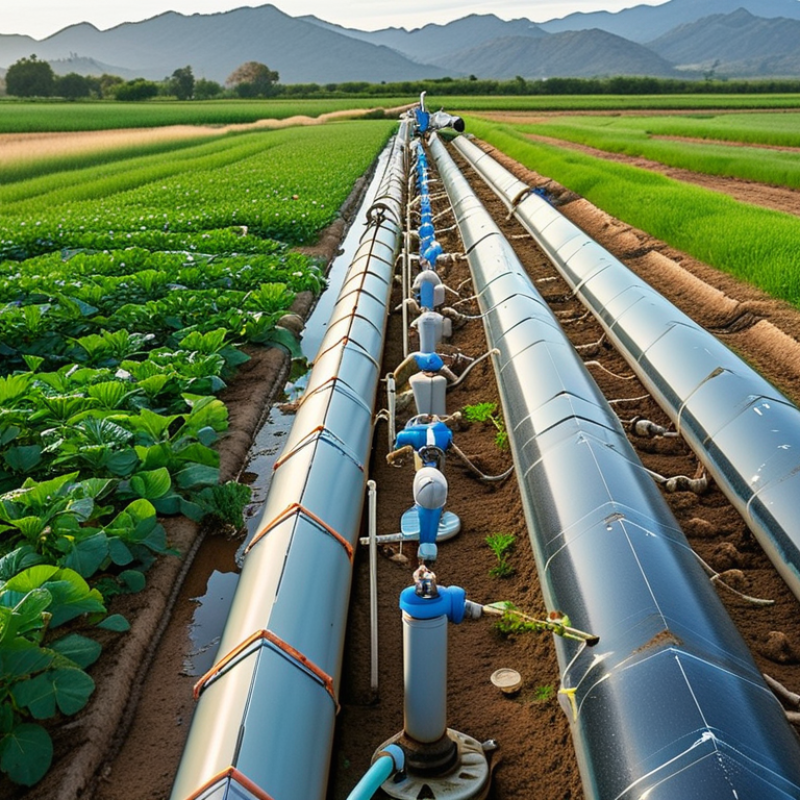
When considering solar pumps for irrigation, understanding the types available is crucial. Typically, there are two main types: surface pumps and submersible pumps. Surface pumps are ideal for shallow water sources. They efficiently move water from nearby ponds or streams. Submersible pumps work underwater, suitable for deep wells. They are more efficient in extracting water from significant depths.
According to the U.S. Department of Energy, solar-powered irrigation systems can reduce energy costs by up to 70%. This statistic highlights the potential of solar pumps in sustainable agriculture. However, choosing the right pump requires careful evaluation of specific needs. Factors such as water source depth, flow rate, and energy requirements must be assessed. Incorrect choices can lead to inefficiencies and increased costs.
Moreover, local weather patterns and solar insolation levels impact performance. Areas with consistent sunshine may benefit more from solar pumps than regions with limited sunlight. Studies indicate that irrigation farmers who invest in solar technology often see substantial returns. Yet, the initial investment can be daunting, creating a barrier for many. The decision to switch to solar should involve a thorough analysis of both benefits and limitations.
When selecting a solar pump for irrigation, several key factors play a crucial role. The pump's flow rate is essential. It determines how much water can be delivered to your crops. Measure your land's water needs accurately. This ensures the pump can meet demand without failure.
Another important aspect is the solar panel capacity. Higher wattage panels can produce more energy, allowing for greater efficiency. Consider the sunlight availability in your area. If sunlight is limited, you might face challenges. This could lead to lower performance during cloudy days.
Lastly, assess the pump type. Submersible pumps work well in deep wells, while surface pumps are suitable for shallow water sources. Understand your specific requirements before making a choice. Inadequate pumping systems can lead to poor crop yields. It's worth taking the time to evaluate all factors carefully.
When selecting a solar pump for irrigation, evaluating pump performance is essential. The two key metrics to consider are flow rate and head. The flow rate indicates how much water the pump can deliver per minute, usually measured in liters or gallons. For effective irrigation, a flow rate of 200-600 liters per hour is often recommended, depending on crop needs and field size.
The head refers to the maximum height the pump can lift water. For many agricultural applications, a head of 10-30 meters is optimal. If the head is too low, water may not reach the required height. Conversely, a pump with excessive head may waste energy. According to a recent industry report from the International Renewable Energy Agency (IRENA), improper matching of flow rate and head can reduce system efficiency by up to 30%.
Tips: Always evaluate the specific conditions of your site. Soil type and crop variety affect water needs. Perform a site survey to determine your irrigation requirements accurately. Consult with irrigation experts to align pump performance with your unique agricultural setup. This will help ensure reliability and optimize performance.
Investing in a solar pump for irrigation can yield significant financial benefits. When analyzing costs, consider both initial investments and long-term savings. Research indicates that solar pumps can reduce energy costs by up to 90%. This reduction is crucial, especially in areas with high electricity prices.
Initial costs for solar pumps can be higher than traditional pumps. However, they often pay off within a few years. According to the International Renewable Energy Agency, a solar pump system can break even within three to five years. After this, farmers enjoy nearly free operation. Additionally, solar pumps require minimal maintenance, which reduces both labor and repair costs.
Long-term savings also stem from consistent energy independence. With solar energy, there are no fluctuations in fuel prices. This stability can encourage better budgeting for farms. Financial reports suggest that solar availability improves productivity over time. In regions where water is scarce, solar pumps can enhance crop yield, supporting farmers' livelihoods.
| Pump Type | Initial Investment ($) | Annual Maintenance Cost ($) | Average Lifespan (Years) | Total Operating Cost (10 Years) ($) | Estimated Annual Savings ($) | Net Savings Over 10 Years ($) |
|---|---|---|---|---|---|---|
| Submersible Solar Pump | 2,500 | 150 | 15 | 3,000 | 1,200 | 5,700 |
| Surface Solar Pump | 3,000 | 200 | 20 | 4,000 | 1,500 | 8,500 |
| DC Solar Pump | 1,800 | 100 | 10 | 2,000 | 800 | 4,800 |
| AC Solar Pump | 3,500 | 250 | 25 | 6,500 | 2,000 | 17,500 |
Solar-powered irrigation solutions present a compelling case for sustainability. These systems harness renewable energy to provide efficient water pumping for crops. By using sunlight, they significantly reduce reliance on fossil fuels, resulting in lower carbon emissions. This shift promotes a healthier environment and supports local ecosystems.
However, the impact of solar systems is not entirely positive. The production of solar panels can involve harmful materials and energy-intensive processes. Additionally, some regions might face challenges with panel disposal at the end of their lifecycle. It's crucial to weigh these issues against the benefits of using solar energy. Farmers should consider local environmental conditions when implementing these solutions.
Choosing the right solar pump involves understanding the specific needs of your irrigation system. Initially, assess the water requirements for crops, then evaluate local sunlight availability. Investing in quality systems can amplify the environmental benefits. Yet, ongoing maintenance and cost remain concerns for many. Balancing these factors is key to maximizing the advantages of solar-powered irrigation.
: Solar pumps can reduce energy costs by up to 90%, leading to significant long-term savings.
A solar pump system typically breaks even within three to five years, allowing for nearly free operation afterward.
Yes, initial costs for solar pumps may be higher, but they often pay off quickly through savings.
Solar pumps require minimal maintenance, reducing labor and repair costs over time.
In water-scarce regions, solar pumps can enhance crop yield, providing better support for farmers’ livelihoods.
The production of solar panels involves harmful materials and energy, and disposal can pose challenges.
Farmers should evaluate water requirements for crops and local sunlight availability before investing.
Maintenance and upfront costs continue to be concerns for many farmers exploring solar solutions.
When considering how to choose a solar pump for irrigation, it's essential to understand the various types available, including surface, submersible, and hybrid models. Each type serves different irrigation needs, making it crucial to evaluate the specific requirements of your agricultural setup. Key factors such as the flow rate, pump head capacity, and compatibility with existing systems should be carefully assessed to ensure optimal performance.
Additionally, a cost analysis comparing the initial investment to long-term savings will help in making an informed decision. Solar pumps not only provide financial benefits through reduced energy costs but also contribute positively to sustainability by minimizing environmental impact. By considering these essential elements, farmers can successfully select a solar pump that meets their irrigation needs while promoting eco-friendly practices.
ApexSun Solar