How to Clean Solar Panels Safely Without Damage?

Time:2026-05-22 Author:Madeline
0%

Cleaning solar panels can significantly enhance their efficiency. A 2022 report by the National Renewable Energy Laboratory indicates that dirty panels can lose up to 30% of their energy output. Knowing how to clean solar panels safely is essential to maintain their performance and longevity.

Experts emphasize the importance of using the right techniques. Dr. Emily Carter, a leading solar energy researcher, states, "Improper cleaning can lead to scratches and decreased efficiency." This highlights the need for a cautious approach. Water and gentle cleaning solutions are recommended for optimal results. Equipment like soft brushes and squeegees prevent damage while allowing effective dirt removal.

Safety should be a priority. Regular maintenance should be planned based on local weather and pollution levels. Acknowledging that the cleaning process may not be perfect is necessary. Sometimes, stubborn stains may remain, prompting reassessment of cleaning techniques. Striking a balance between thoroughness and care is crucial in maintaining solar panels effectively.
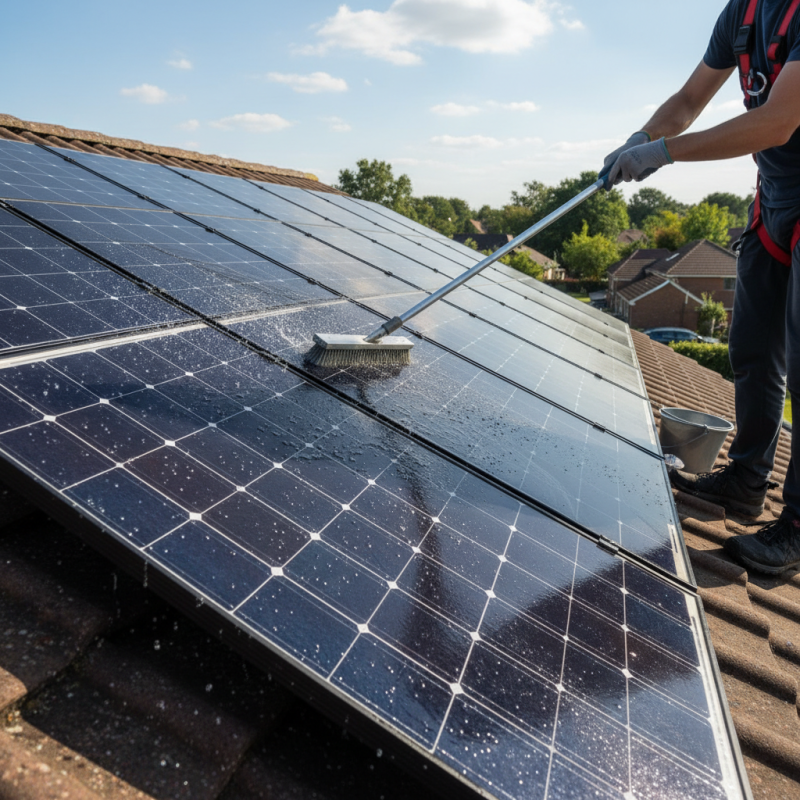
How to Clean Solar Panels Safely Without Damage?

Understanding the Importance of Cleaning Solar Panels

Cleaning solar panels is essential for maintaining their efficiency. Dust, dirt, bird droppings, and pollen accumulate on the surface, blocking sunlight. This reduces energy production. Regular cleaning keeps your system operating at peak performance.

Understanding the importance of cleaning involves recognizing the factors that can affect output. Solar panels can lose up to 25% of their efficiency if not cleaned. Rain may help, but it’s not always enough. Areas with heavy dust accumulation need more frequent attention. Streaks and spots can also lead to uneven energy absorption.

Approaching the cleaning process requires caution. Using harsh chemicals can damage the panels. Opt for gentle methods that won't scratch the surface. A soft brush or sponge and plain water can be effective. Remember, the goal is to enhance performance, not harm delicate components. Consider hiring professionals if you're unsure. They can provide expertise, ensuring the cleaning is done safely.

Assessing the Condition of Your Solar Panels Before Cleaning

Before cleaning your solar panels, assessing their condition is crucial. Look for any visible dirt, leaves, or debris. Check for signs of damage, such as cracks or discoloration. If you see these, cleaning may not be the best option. Damage could worsen during the cleaning process.

Tips: Use a soft brush or cloth for light dirt. Avoid abrasive materials that can scratch the surface. For stubborn stains, consider using a mixture of water and vinegar. Always test a small area first. This helps ensure no harm is done.

Pay attention to weather conditions. Cleaning after rain can be beneficial. The rain helps loosen grime. However, ensure that panels are not cold and wet before starting. This can prevent sudden temperature changes that may crack the glass. Always prioritize safety with a sturdy ladder. If your panels are on a high roof, hiring a professional might be the best choice.

Choosing the Right Tools and Materials for Cleaning

When cleaning solar panels, choosing the right tools and materials is crucial. Using soft, non-abrasive materials helps prevent scratches. Recommended tools include microfiber cloths and soft-bristle brushes. A survey from the Solar Energy Industries Association indicates that proper maintenance can enhance efficiency by up to 20%. This statistic emphasizes the significance of appropriate cleaning.

Water quality also matters. Hard water can leave mineral deposits that damage panels over time. Utilizing distilled water can mitigate this risk. Additionally, a recent study showed that cleaning solar panels at least once a year can maintain optimal performance. However, not all dirt types require the same approach. For instance, bird droppings or sticky residues might need a different method compared to dust.

It's essential to remember that cleaning under direct sunlight can create streaks. Therefore, early morning or late afternoon is ideal for this task. Even with the right tools, some previous cleaning methods might lead to unintentional damage. Regularly assessing your cleaning process ensures that you adapt and refine your approach. Professional advice can also enhance your cleaning practices, ensuring long-term efficiency.

Step-by-Step Guide to Safely Clean Solar Panels

Cleaning solar panels is crucial for optimal performance. Follow these detailed steps for a safe cleaning process.

Start by assessing the weather. Choose a cool day without direct sunlight. This prevents water from evaporating too quickly. Gather your cleaning supplies: a soft brush, a squeegee, and a bucket of water mixed with a mild detergent. Avoid abrasive materials as they can scratch the surface.

Before cleaning, disconnect the solar system if possible. This ensures safety while maintaining system integrity. Wet the panels using a hose on a gentle spray setting. Use the soft brush to remove dirt and debris carefully. Rinse with clean water to remove detergent residue.

Tips: Always wear gloves to protect your hands. Use a ladder cautiously, ensuring it’s stable. If unsure, consider hiring professionals. They have the right tools and experience to clean panels without damaging them.

Cleaning solar panels may seem simple, but it requires careful attention. Take your time, and don’t rush through the process. Neglecting safety can lead to accidents or equipment damage. Reflect on your efforts and make adjustments if needed for future cleanings.

Preventative Measures to Maintain Solar Panel Cleanliness

When it comes to maintaining solar panels, regular cleaning is essential. Dust, bird droppings, and debris can reduce their efficiency. However, taking preventative measures can safeguard your panels from damage.

Using soft brushes and gentle cleansers is vital. Avoid harsh chemicals and abrasive tools. This choice not only preserves the panels but also ensures a thorough clean. It’s crucial to check the manufacturer’s recommendations before cleaning.

Here are a few tips to maintain your solar panels effectively:
- Always clean them early in the morning or late in the afternoon. Avoiding harsh sunlight helps prevent streaks.
- Observe the panels regularly. Spot any damage early can save you time and money.
- Consider a regular maintenance schedule. Monthly checks can prevent significant issues down the line.

Being proactive about cleaning and inspection can improve your solar panels' longevity and performance.

How to Clean Solar Panels Safely Without Damage? - Preventative Measures to Maintain Solar Panel Cleanliness

Method Description Frequency Recommended Tools
Basic Rinse Use a hose to rinse off dust and debris. Monthly Hose, Water
Soft Brush Cleaning Gently scrub panels with a soft brush if dirt is stuck. Every 3-6 months Soft Bristle Brush, Water
Commercial Cleaner Use a solar panel cleaning solution for effective dirt removal. Annually Solar Panel Cleaner, Soft Cloth
Professional Cleaning Hire a professional service for a thorough clean. As needed N/A

FAQS

: How can I assess the condition of my solar panels before cleaning?

: Look for visible dirt, leaves, and any signs of damage like cracks. Avoid cleaning if damage is present.

What tools are recommended for cleaning solar panels?

Use soft brushes or microfiber cloths. Avoid abrasive materials to prevent scratches on the surface.

Is the quality of water important when cleaning solar panels?

Yes, hard water can leave mineral deposits. Using distilled water can reduce this risk effectively.

When is the best time to clean solar panels?

Early morning or late afternoon is ideal to avoid streaks caused by direct sunlight.

Should I hire a professional for solar panel cleaning?

If panels are difficult to reach or you feel unsure, hiring professionals can ensure safety and proper cleaning.

How often should I clean my solar panels?

Aim to clean them at least once a year. This maintains optimal performance and efficiency.

What should I do if my panels are cold and wet before cleaning?

Avoid cleaning to prevent temperature changes that could crack the glass. Prioritize safety in all conditions.

Why is it important to disconnect the solar system before cleaning?

Disconnecting ensures safety and maintains the integrity of the system while cleaning.

What if stubborn stains persist after preliminary cleaning?

Try using a mixture of water and vinegar for tougher stains, but test a small area first.

What should I reflect on after cleaning my solar panels?

Consider your cleaning methods. Did they cause any unintended damage? Regular assessment can improve future cleaning sessions.

Conclusion

Cleaning solar panels is essential for maintaining their efficiency and longevity. Understanding the importance of regular cleaning can greatly enhance your solar system’s performance. Before embarking on the task, it is crucial to assess the condition of your panels, identifying any potential issues that may arise during the cleaning process.

To clean solar panels safely, you must choose the right tools and materials. A step-by-step guide can effectively illustrate the best practices for this task, ensuring you avoid damage. Furthermore, implementing preventative measures will help maintain the cleanliness of your solar panels, ultimately leading to better energy production. In summary, knowing how to clean solar panels safely is key to protecting your investment and optimizing performance over time.

Madeline

Madeline

Madeline is a dedicated marketing professional with a wealth of expertise in our company's core offerings. With a keen understanding of the industry, she brings a unique perspective to her role, consistently delivering high-quality content that highlights the superior aspects of our products. As......