How to Efficiently Store Solar Energy for Night Use?

Time:2026-05-11 Author:Mason
0%

Storing solar energy for nighttime use is a crucial challenge in modern renewable energy systems. As the world shifts towards sustainable solutions, understanding how to store solar energy for night use becomes vital. The sun provides abundant energy during the day, yet nighttime brings a significant reliance on traditional energy sources.

Current storage technologies aim to bridge this gap. Batteries, for example, have gained popularity. They capture energy during sunny hours and release it when needed. However, they come with limitations, like capacity and lifespan issues. Exploring different methods, such as thermal storage or innovative materials, can provide more efficient solutions.

Techniques and technologies vary in effectiveness. The perfect solution may still be out of reach, highlighting the need for ongoing research. Focusing on improving energy efficiency at night is essential. This journey towards better storage methods involves continuous learning and adaptation. Each step forward leads to better utilization of solar energy when the sun isn’t shining.
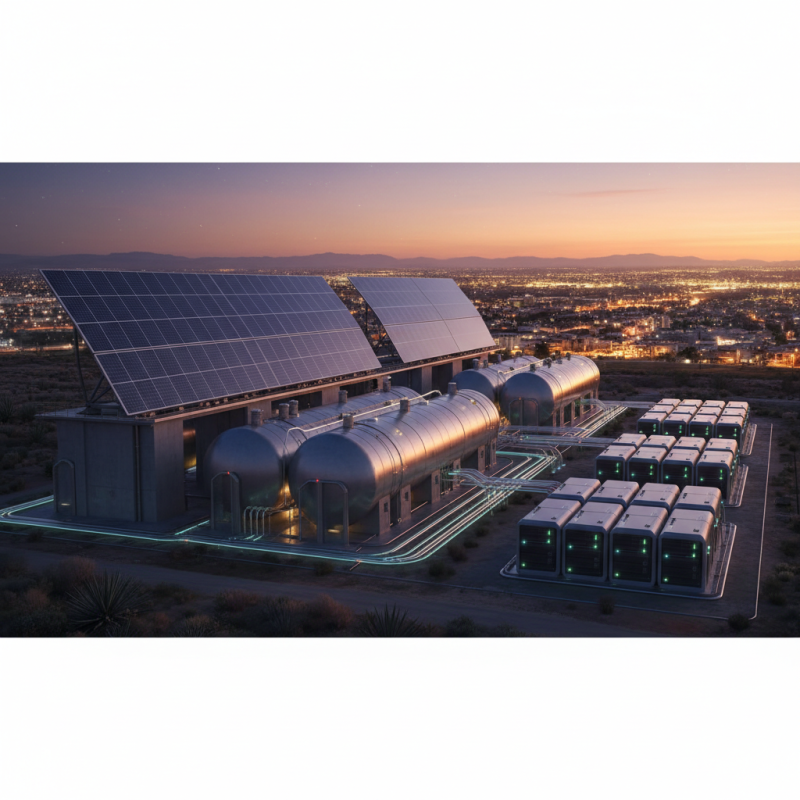
How to Efficiently Store Solar Energy for Night Use?

Understanding the Need for Solar Energy Storage at Night

The need for solar energy storage at night has grown significantly as more households adopt solar technology. Without an effective storage solution, excess energy generated during the day is wasted. This not only limits the potential of solar energy but can also lead to increased reliance on fossil fuels during the night. As experts suggest, the transition to a renewable energy future hinges on our ability to store solar energy efficiently.

Battery technology has advanced, yet challenges remain. Many existing storage systems can be expensive and have limited capacities. Homeowners often find it difficult to assess which system suits their needs best. One common issue is finding a balance between cost and efficiency. While some batteries last longer, their upfront costs can be higher. This leads individuals to make tough decisions about energy storage investments.

Furthermore, not all areas receive equal sunlight. Cloudy climates or seasonal variations can affect energy production. As a result, relying solely on day production can create shortfalls at night. Exploring innovative solutions like thermal energy or community storage may help mitigate this problem. Awareness of such complexities is crucial for making informed decisions on solar energy storage options.

Types of Solar Energy Storage Technologies Available

Solar energy storage is crucial for addressing energy needs during the night. Various technologies have emerged, each with unique features and limitations. The most common types are batteries, thermal storage, and pumped hydro storage.

Batteries, particularly lithium-ion and lead-acid, are popular for residential use. They store energy during sunny hours and release it when needed. However, they can be expensive and have a limited lifespan. Efficiency varies, and not all batteries are suitable for large-scale applications. Some users may encounter issues with degradation over time.

Thermal storage systems utilize heat to store energy. They can be effective for specific applications, such as concentrated solar power (CSP). These systems store excess heat in materials like molten salt. However, thermal systems can be less efficient when converting stored heat back to electricity. Pumped hydro storage is another widely used method. It involves moving water between two reservoirs to generate electricity on demand. This technology is effective but requires geographical restrictions and can have environmental impacts. Each method has pros and cons that require careful consideration.

Evaluating Efficiency: Comparing Energy Storage Solutions

Storing solar energy efficiently for nighttime use is a growing concern. Evaluating the effectiveness of various energy storage solutions requires careful consideration. Each method has its own set of advantages and limitations.

Battery systems, for example, are common. They can store energy generated during the day and release it when needed. However, their efficiency can vary. Some batteries degrade over time, leading to reduced capacity. This raises questions about long-term sustainability and cost.

Another solution is thermal storage. This method captures heat energy from the sun. It can be used later, even during cold nights. However, it is less common and may not be as efficient in all climates. Each option requires analysis based on location and requirements. Determining the best choice is not straightforward, and that’s where the challenge lies.

Energy Storage Solutions for Solar Energy

This chart compares the efficiency of different energy storage solutions for solar energy: Lithium-ion batteries, Flow batteries, and Pumped Hydro storage. It showcases the energy retention efficiency percentage and the typical cost per kWh.

Integrating Solar Energy Storage with Existing Power Systems

Integrating solar energy storage with existing power systems is crucial for maximizing renewable energy use. Many homes and businesses rely on traditional grids, which can create challenges for solar energy integration. Efficient storage solutions can help bridge this gap, allowing users to access solar power even at night.

Battery technologies play a key role in this integration. For instance, lithium-ion batteries are popular due to their efficiency and longevity. However, they come with limitations, like high costs and resource demands. Emerging technologies, such as flow batteries and thermal storage, offer alternative options. Each system has its own strengths and weaknesses, which necessitates careful consideration based on individual energy needs.

Collaboration is vital for successful integration. Utilities, manufacturers, and policymakers must work together. They need to evaluate grid capabilities and storage requirements. Solutions may not be one-size-fits-all; localized communities might face unique challenges. Addressing these issues can lead to more resilient and sustainable energy systems that make the most of solar power.

Future Trends in Solar Energy Storage Innovations

The future of solar energy storage is evolving rapidly. As the world moves toward greater reliance on renewable energy, innovative solutions are emerging. Researchers are exploring advanced battery technologies, such as solid-state batteries, which promise increased efficiency and safety. These batteries can store more energy and have a longer lifespan than traditional lithium-ion options.

With more research underway, other methods are gaining traction. For instance, thermal energy storage systems can retain heat generated during the day. This heat can be converted back into electricity at night. Pumped hydro storage remains a classic but effective method, using water reservoirs to provide energy when needed.

Tip: Consider integrating multiple storage solutions for maximum efficiency. A combination of batteries and thermal systems can cover gaps in energy supply.

Tip: Stay informed about local regulations and incentives for solar storage investments. These can significantly reduce initial costs.

Emerging technologies may face challenges, including scalability and affordability. Not all innovations will suit every situation. It’s essential to assess your specific needs and the feasibility of different solutions. Solar energy storage is not one-size-fits-all, and ongoing evaluation is necessary to ensure optimal performance.

FAQS

: Why is solar energy storage needed at night?

: Solar energy storage is needed to prevent waste of excess energy produced during the day.

What challenges do homeowners face with solar energy storage?

Homeowners struggle with high costs, limited capacities, and finding the right system for their needs.

What types of solar energy storage technologies are available?

Common types include batteries, thermal storage, and pumped hydro storage. Each has unique features and limitations.

How do batteries function in solar energy storage?

Batteries store excess energy generated during the day and release it when needed, though they can be expensive.

What are the limitations of thermal storage systems?

Thermal systems can be less efficient at converting stored heat back to electricity, affecting overall effectiveness.

How does weather affect solar energy production?

Cloudy climates and seasonal variations can limit energy production, leading to potential shortfalls at night.

Why is collaboration important in integrating solar energy storage?

Collaboration among utilities, manufacturers, and policymakers ensures effective integration of solar power into existing grids.

What are some emerging technologies in solar energy storage?

Flow batteries and advanced thermal storage systems offer innovative solutions to conventional storage challenges.

How can localized communities face unique challenges?

Different geographical and climatic conditions can create specific obstacles for energy storage in diverse communities.

What should users reflect on before investing in energy storage solutions?

Users should consider costs, efficiency, and the longevity of the technology before making an investment decision.

Conclusion

To address the challenge of utilizing solar energy after sunset, understanding how to store solar energy for night use is essential. This involves recognizing the need for efficient storage solutions that can bridge the gap between daytime energy production and nighttime consumption. Various technologies, such as batteries, thermal storage, and pumped hydro storage, offer distinct advantages and potential drawbacks that must be evaluated for optimal efficiency.

Additionally, integrating these storage systems with existing power infrastructures is crucial to maximize their effectiveness. As advancements in technology continue to emerge, future trends in solar energy storage are likely to focus on improving capacity, reducing costs, and enhancing the sustainability of energy solutions. This comprehensive approach ensures that solar power remains a viable energy source even when the sun goes down.

Mason

Mason

Mason is a seasoned marketing professional with a deep expertise in the company's offerings and a passion for driving brand awareness. With a strong background in digital marketing strategies, he has an innate ability to connect with diverse audiences and effectively communicate product benefits.......