As the demand for renewable energy grows, homeowners are increasingly seeking solutions that align with sustainability goals. According to a report by the International Energy Agency, solar power capacity is expected to reach 1,000 GW by 2024. This shift invites discussion on how to integrate solar energy with smart home systems effectively.
Home automation technology is evolving rapidly. Devices can now respond efficiently to energy consumption, optimizing overall usage while reducing costs. However, one challenge remains: how to integrate solar energy with smart home systems seamlessly. The National Renewable Energy Laboratory highlights that without proper integration, homeowners may not fully harness the potential of solar energy.
Moreover, the ability to control solar power generation, storage, and consumption from a single platform is essential. Current technologies are promising, yet there are gaps in real-world applications. Homeowners and developers must collaborate to address these issues. Continuous feedback can drive innovation, leading to better solutions that support eco-friendly living and optimal energy use.
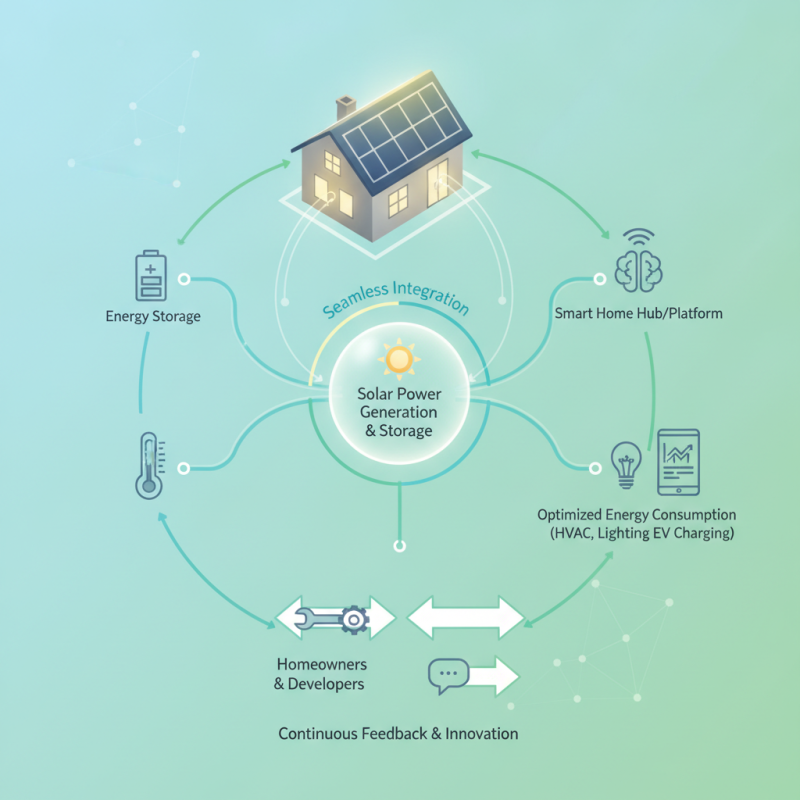
Solar energy is transforming smart homes. It provides a sustainable power source and enhances energy efficiency. Integrating solar panels into a smart home system can significantly reduce electricity bills. Homeowners can monitor energy production and adjust usage through smart devices.
When considering solar integration, think about your home’s layout. Roof orientation and shading are critical factors. These elements affect energy capture. Ensure your solar system aligns with smart technology. Use a compatible monitoring system to track energy use in real time.
Tips: Invest in energy storage solutions. Batteries can store excess energy generated during the day. This stored energy can then power your home at night. Also, consider optimizing appliance use. Schedule heavy usage during peak sunlight hours. Every detail matters in maximizing efficiency and performance.
Integrating solar energy into smart homes requires key components that enhance efficiency and usability. A major component is the inverter. According to a report by the International Renewable Energy Agency (IRENA), the inverter converts direct current (DC) from solar panels into alternating current (AC) for home use. High-quality inverters improve energy conversion rates by up to 98%, meaning more solar power usage.
Another vital part is the energy management system (EMS). An EMS allows homeowners to monitor and control energy consumption. The U.S. Department of Energy states that systems equipped with smart technology can reduce energy costs by 15% to 20%. They enable users to optimize when to use solar energy, store excess energy, or even sell it back to the grid. This dynamic management enhances both convenience and sustainability.
Battery storage is equally essential. With battery systems, homes can store solar energy for use during cloudy days or at night. A report by Bloomberg New Energy Finance found that battery costs have dropped by 87% since 2010. However, not all homeowners may realize the long-term benefits of storage investments. Many installations simply opt for direct use without considering storage options. This oversight could lead to missed savings and reliance on grid energy during peak hours.
Integrating smart technologies into solar energy systems enhances energy management in homes. According to a report by the International Energy Agency, households equipped with smart technologies can save up to 15% on energy bills. This significant reduction highlights the synergy between solar energy and smart home devices.
Smart thermostats, energy monitors, and automated lighting can be combined with solar installations. By adjusting energy use based on solar generation, homeowners can maximize savings. Data from the U.S. Department of Energy shows that homes using energy management systems optimize their energy consumption by 20-30%.
Tips for integration:
- Choose a smart thermostat that adapts to your schedule.
- Install solar monitoring systems to track energy production in real time.
- Consider energy storage solutions to use solar power during peak hours.
Homes that implement these technologies can see not only financial benefits but also environmental impacts. The transition to smart solar is not without challenges. Some homeowners may struggle with installation or upfront costs. It’s essential to weigh these factors against long-term savings. Proper planning can lead to working solutions that enhance energy efficiency.
| Dimension | Details |
|---|---|
| Solar Panel Efficiency | 18% - 22% |
| Smart Energy Management Systems | AI-driven systems for real-time monitoring |
| Battery Storage Capacity | 5 kWh - 15 kWh |
| Integration Technologies | Zigbee, Z-Wave, Wi-Fi |
| Cost Savings | Up to 30% on energy bills |
| Environmental Impact | Reduction in carbon footprint by up to 50% |
| User Engagement | Mobile apps for monitoring and control |
The economics of solar energy present compelling advantages for homeowners. According to the U.S. Department of Energy, homeowners can save an average of $20,000 over 20 years with solar panels. These savings stem from reduced electricity bills and various local and federal incentives. For example, the Federal Investment Tax Credit allows homeowners to deduct a significant percentage of installation costs from their federal taxes.
Many states offer additional rebates and programs that further enhance savings. Research from the Solar Energy Industries Association (SEIA) highlights that states like California and New York provide generous incentives. These can cover a substantial portion of the initial investment. However, the effectiveness of these incentives can vary. Homeowners need to stay informed about changing regulations in their areas.
Tips: Consider using software tools to calculate potential savings before installation. Understand your energy needs clearly; oversizing systems can lead to unnecessary expenses. Regularly review available state and federal incentives; they can change yearly. The solar market can feel overwhelming, and not all installations yield the same financial returns. Therefore, an informed approach is essential.
The integration of solar energy with smart home technologies is a growing trend that taps into sustainability. According to the International Energy Agency (IEA), solar energy could supply nearly 25% of the world’s electricity by 2030. This indicates a strong shift towards renewable energy sources. Smart homes can optimize energy use, significantly reducing carbon footprints and energy bills. In fact, homes equipped with smart meters are reported to save up to 10% on energy costs annually.
Managing solar energy within a smart home isn’t without challenges. Users often struggle with integrating their solar networks with existing smart home systems. This requires careful consideration of compatibility and software integration. Data from the Solar Energy Industries Association (SEIA) shows that more than 3 million U.S. households have solar panels but many still lack smart home technology. This disconnect presents an opportunity for innovation.
Here are a few tips to improve your solar-smart home integration:
: Smart technologies can reduce energy bills by up to 15% when integrated into solar systems.
Smart thermostats, energy monitors, and automated lighting are effective additions.
Homes can optimize energy use by 20-30% with these systems according to data.
Choose adaptable smart thermostats and install solar monitoring systems for better management.
They offer financial savings and have positive environmental impacts for homeowners.
Installation issues and upfront costs can be significant, requiring careful consideration.
Homeowners can save an average of $20,000 due to reduced electricity bills.
Federal tax credits and state programs can help reduce installation costs significantly.
Incentives can change yearly, impacting overall savings and investment decisions.
Overestimating energy needs can lead to overspending on unnecessary system capacity.
In exploring how to integrate solar energy with smart home systems, it is essential to understand the interplay between solar energy and smart technology. Solar energy plays a pivotal role in powering smart homes, providing sustainable electricity and enhancing energy independence. Key components, such as solar panels, inverters, and energy storage systems, form the backbone of an effective smart solar system, allowing homeowners to monitor and manage their energy consumption seamlessly.
The integration of smart technologies, including energy management systems and home automation devices, facilitates optimal energy usage, significantly reducing costs and maximizing efficiency. Additionally, economics of solar energy highlights potential savings and various incentives available to homeowners, making solar installations increasingly attractive. As we look towards the future, emerging trends in solar energy adoption and smart home integration promise to further enhance the sustainability and convenience of modern living.

ApexSun Solar