Solar panels are becoming a vital part of our energy landscape. According to a recent report from the Solar Energy Industries Association (SEIA), solar capacity in the U.S. grew by over 20% in 2022. This growth leads to increased interest in "how to maintain solar panels efficiently." Proper maintenance can significantly enhance their longevity and performance.
Regular cleaning and inspections are crucial. Accumulated dirt, leaves, and debris can block sunlight and reduce energy output by up to 25%. Additionally, checking the inverter and connections ensures efficient performance. Data from the National Renewable Energy Laboratory (NREL) highlights that timely maintenance can increase the lifespan of solar systems by 10-15 years.
While many believe that solar panels are maintenance-free, this notion can be misleading. Ignoring small issues can lead to larger, costlier problems. Efficient maintenance is essential for optimal performance and long-term savings. Emphasizing these practices is vital for all solar panel owners aiming to maximize their investment.
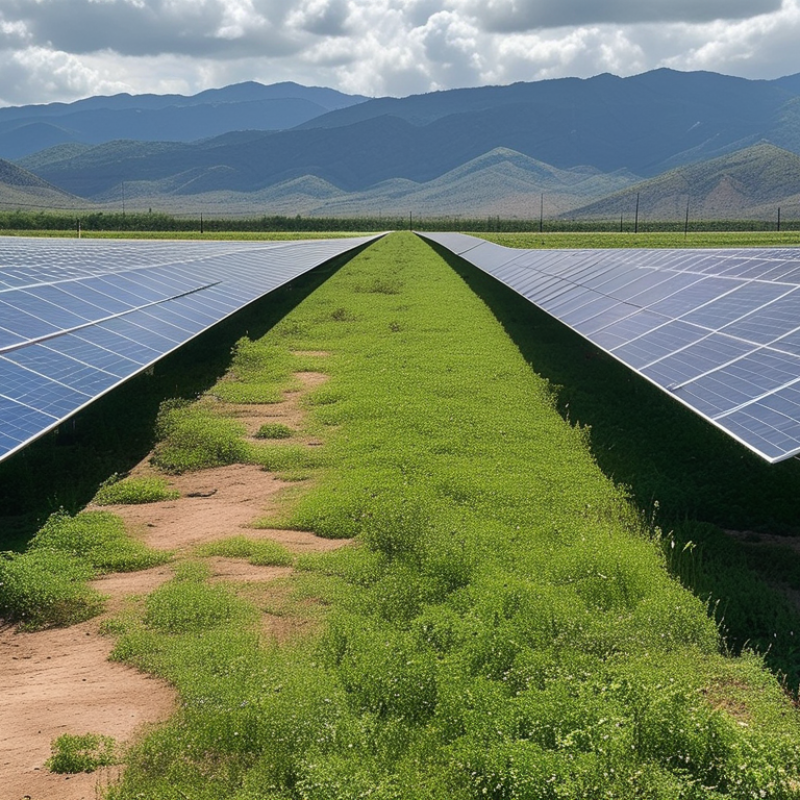
The lifespan of solar panels typically ranges between 25 to 30 years. This is a critical aspect for homeowners considering a long-term investment. According to the National Renewable Energy Laboratory, many panels retain over 80% of their capacity after 25 years of use. This statistic underscores the importance of effective maintenance to maximize efficiency.
Various factors influence how long solar panels last. Environmental conditions, such as temperature fluctuations and heavy precipitation, can impact their durability. Regular cleaning is essential. Dust and debris can significantly reduce energy output. A study revealed that panels could lose up to 25% of their efficiency if not cleaned regularly.
Understanding these factors is crucial. While the initial investment may be substantial, proper care could enhance longevity. Monitoring performance through regular checks also helps identify potential issues early. Homeowners should be aware of the need for occasional professional inspections. These steps can add years to the lifespan of solar systems and maximize returns on investment.
Regular cleaning is one of the main aspects of maintaining solar panels. Dust and debris can accumulate, reducing efficiency. A simple rinse with water can do wonders. In areas with heavy pollen or pollution, more frequent cleaning may be necessary. Consider doing this every few months.
Inspecting the panels is equally important. Look for cracks, discoloration, or loose connections. These issues can affect energy production. If you notice any damage, it's wise to contact a professional. Remember, DIY fixes might not be sufficient.
Monitoring the system's performance is crucial too. Keep an eye on energy output. Any sudden drop may indicate a problem. Noting these changes allows for timely interventions. Keeping records can be helpful for future reference. Regular maintenance can enhance the lifespan of your solar investment.
| Maintenance Practice | Frequency | Description | Benefits |
|---|---|---|---|
| Cleaning Panels | Every 6 months | Remove dirt, grime, and debris from the surface. | Improves energy absorption efficiency. |
| Inspect for Damage | Annually | Check for cracks, chips, or wiring issues. | Ensures safety and optimal performance. |
| Monitor Performance | Monthly | Use monitoring systems to track energy output. | Identifies performance drops and potential issues. |
| Trim Surrounding Vegetation | As needed | Keep trees and bushes from shading panels. | Maximizes sun exposure throughout the year. |
| Check Inverter Functionality | Quarterly | Ensure the inverter is functioning optimally. | Critical for converting solar energy into usable electricity. |
Monitoring the performance of solar panels is crucial for homeowners looking to optimize their energy production. Regular performance checks help identify any issues early on. Tools like voltage meters and infrared cameras can assist in diagnosing problems. Observing the panels regularly can reveal dirt or debris, which might block sunlight. A simple rinse with water can often solve this issue.
Another technique involves monitoring energy output through smart apps. These applications allow homeowners to track energy generation in real time. Discrepancies in expected output can indicate a malfunction or an installation issue. Keeping an eye on these fluctuations is essential for long-term efficiency.
However, relying solely on technology can lead to oversight. Manual inspections remain important. Sometimes, solar panels might seem operational but are underperforming. Homeowners should periodically assess condition and performance without the help of gadgets. Engaging with the community or seeking expert advice can provide additional insights. Balancing technology with hands-on evaluation fosters a deeper understanding of your solar energy system.
Maintaining solar panels is essential for their longevity. Over time, panels can face issues due to environmental factors. Dirt, dust, and debris can accumulate on the surface, reducing efficiency. Regular cleaning is necessary but should be done carefully to avoid damage.
Poor connections can also impede performance. Check the wiring and junction boxes periodically. Look for corrosion or wear that may compromise energy output.
Tips: Use a soft brush or squeegee with water for cleaning. Opt for non-abrasive cleaning solutions. If you notice any significant performance drops, consult a professional.
Another common issue is shading from nearby trees or buildings. This can drastically lower the panels' energy production. Regularly trim trees that obstruct the sunlight.
Tips: Monitor the energy output monthly. If it suddenly drops, observe the surroundings for new shading. Address these issues promptly to secure performance.
Understanding these common issues helps maintain a reliable solar system. Regular inspection and maintenance can significantly extend the life of your solar panels.
Environmental factors heavily influence the durability and efficiency of solar panels. Dust, dirt, and debris can accumulate, obstructing sunlight and reducing energy output. According to the National Renewable Energy Laboratory, soiling can decrease energy production by up to 20%. Regular cleaning is essential to maintain optimal performance.
Tips: Cleaning solar panels should be done at least twice a year. Use soft brushes and gentle cleaning solutions. Avoid harsh chemicals that can cause damage. Monitor the weather too. Heavy storms or high winds can lead to debris accumulation.
Moreover, exposure to extreme temperatures can impact solar panel integrity. Research indicates that high temperatures can shorten the lifespan of photovoltaic cells. Consider installing your panels at an angle to minimize heat absorption.
Tips: Use UV protective coatings. These can enhance durability and shield from harsh sunlight. Explore local guidelines for solar panel maintenance. Many regions have specific recommendations based on climatic conditions. Stay informed about your area’s environmental factors for better longevity.
: Solar panels usually last between 25 to 30 years.
Many solar panels retain over 80% of their capacity after 25 years.
Temperature fluctuations and heavy precipitation can impact their durability.
Dust can reduce energy output by up to 25% if panels aren't cleaned regularly.
Regular cleaning and inspections are vital to maximize efficiency and durability.
It's recommended to clean solar panels at least twice a year.
Look for cracks, discoloration, or loose connections as warning signs.
Any sudden drop in output may signal problems that need attention.
Install panels at an angle and use UV protective coatings to enhance durability.
Yes, occasional professional inspections can help identify issues early.
To understand how to maintain solar panels efficiently, it's essential to grasp the lifespan of these systems, which can significantly impact their long-term performance. Key factors influencing longevity include environmental conditions and regular upkeep practices. Implementing essential maintenance techniques, such as regular cleaning and inspections, ensures that solar panels operate at maximum efficiency.
Homeowners can enhance their understanding of solar panel performance through various monitoring tools and techniques. Recognizing common issues that accompany aging systems, along with their solutions, is critical for preserving efficiency. Additionally, awareness of environmental impacts helps in applying protective measures, thus extending the durability of solar panels and securing their functionality over time.

ApexSun Solar