Top 10 Reasons Solar Panels Lose Efficiency Over Time?

Time:2026-11-15 Author:Amelia
0%

Solar panels are designed to produce electricity for many years, but their output can change as materials weather and system conditions shift. A dusty glass surface, a new patch of afternoon shade, or a loose connection can all affect the energy reaching your home. The change may be gradual, or it may appear suddenly after a storm or equipment fault.

Why do solar panels lose efficiency over time? The answer is rarely just one thing. Sunlight, heat, moisture, dust, and normal material aging can influence panel performance. Cracks, corrosion, failing wiring, and inverter problems may also reduce the system’s total output. Some causes are visible; others need careful testing. Nothing obvious.

This guide explores ten common reasons solar panels produce less power, from soiling and shading to degradation and electrical faults. It also distinguishes panel efficiency from overall system output, since a drop in electricity does not automatically mean the panels themselves are damaged. Comparing monitoring data across similar seasons can help reveal a genuine trend, while a qualified solar technician can check wiring, inverters, and panel condition. A single low-production day proves little. Even so, unusual drops deserve attention, especially when they persist after cleaning or clear weather. Real systems vary, and not every symptom has a simple explanation. That uncertainty matters.
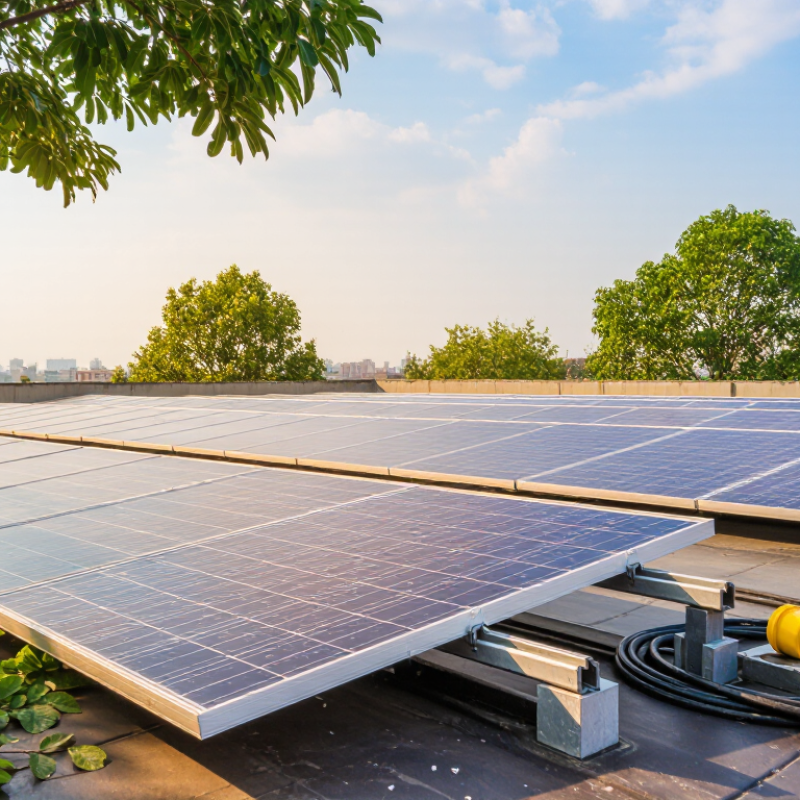
Top 10 Reasons Solar Panels Lose Efficiency Over Time?

Gradual Cell Aging from UV Exposure, Heat, and Material Fatigue

Solar panels rarely lose efficiency overnight. Their decline is usually gradual, as sunlight, heat, and repeated temperature changes stress materials over years. Ultraviolet radiation can age encapsulants and backsheets, making some layers less clear or more brittle. Less light may then reach the cells, while weakened seals can allow moisture to affect internal components. The exact effect depends on panel construction and local conditions.

Heat adds another kind of strain. High cell temperatures can speed up chemical changes in materials, and daily heating and cooling make layers expand and contract at different rates. Over time, that movement may contribute to solder-joint fatigue or tiny cell cracks. Some cracks barely affect output at first; others can interrupt current paths. Small changes add up. A dusty surface is not proof of cell aging, either, and one low power reading cannot identify the cause. Comparing output over time, while accounting for season, shade, and temperature, gives a more useful picture. Even careful measurements have limits. Independent inspection or electrical testing may be needed to distinguish normal aging from damage.

Efficiency Loss from Dust, Pollen, Bird Droppings, and Snow

Dust rarely arrives alone. Windblown particles form a thin film, while pollen can turn sticky after morning dew. Bird droppings create opaque patches that block light from specific cells. Uneven shading may reduce output more than a uniform haze. Small deposits matter. The IEA PVPS Task 13 soiling review (2022) estimates global photovoltaic energy losses at roughly 3–4% annually. Some locations experience much higher losses. That average can mislead: a roof beneath trees may perform very differently.

Snow creates another kind of shading. A shallow layer can cover the lower edge of a panel, while sliding snow may leave streaks behind. NREL field research reports that annual snow-related losses vary widely, from negligible to around 12%, depending on location and system setup. Tilt, snowfall, and how quickly snow clears all matter. Compare your system’s output on similar clear days, then inspect panels safely from the ground. Don’t scrape the glass. A rinse may help, but hard water can leave mineral spots, and cleaning in freezing conditions adds risk. Visual checks also miss thin films; I would treat them as clues, not proof.

Power Reduction from Shading and Nearby Vegetation

A branch that barely reaches a solar array in spring may cast a broad shadow by midsummer. As nearby trees grow, their leaves can cover panels during the brightest hours. Even partial shade can reduce output, especially when affected cells share an electrical string. Small shadows matter. Some systems use bypass diodes or module-level electronics to limit losses, but they cannot make shade harmless.

Watch for changes across the year. Note when shadows cross the panels, and compare production on similar clear days. A sudden, repeatable dip may point to new vegetation, though weather and equipment issues can also affect readings. I would not assume one low-production day proves the cause; monitoring data is imperfect. Check whether branches, vines, or tall plants are blocking panels, and keep records before deciding what to change.

Pruning may restore sunlight, but cutting large branches can be unsafe and may damage a tree. Ask a qualified tree-care professional when work is beyond simple, ground-level trimming. Also consider future growth when planting near an array: a sapling can seem harmless, then shade panels years later. Inspect the site at different seasons, since leafless branches can still cast narrow shadows across a panel.

Top 10 Reasons Solar Panels Lose Efficiency Over Time

Power reduction from shading and nearby vegetation

These illustrative estimates show how recurring shade can reduce annual energy yield. Actual losses vary with shade duration and pattern, system design, season, and inverter or module-level power electronics. Trees can also grow over time, increasing shade.

Physical Decline from Hail, Wind, Moisture, and Corrosion

Top 10 Reasons Solar Panels Lose Efficiency Over Time?

Hail, wind, moisture, and corrosion can gradually reduce a solar panel system’s output. Hailstones may leave tiny glass chips or hidden cell cracks. A panel can still produce power after impact, which makes damage easy to miss. Strong gusts may flex modules, loosen mounting hardware, or let cables rub against sharp edges. The effect is not always immediate. Sometimes the first clue is a lower reading after a storm.

Moisture can enter through damaged seals or a compromised backsheet. Over time, it may corrode electrical contacts and raise resistance, reducing energy transfer. Salt air and persistent humidity can accelerate corrosion on exposed metal parts. Still, weather alone does not prove a panel is failing; shading, dust, or inverter problems can also lower readings. It is easy to blame age too quickly. Comparing several weeks of production data is more useful than reacting to one cloudy day.

Tips: Check the system’s output trends and look for visible cracks, loose parts, or dangling cables from the ground. After severe hail or wind, arrange a qualified inspection rather than climbing onto the roof. Keep the observation simple: note the date, weather, and any change in output.

Top 10 Reasons Solar Panels Lose Efficiency Over Time? — Physical Decline from Hail, Wind, Moisture, and Corrosion

# Cause How It Reduces Performance Common Clues Practical Prevention or Check
1 Hail impact Impacts can crack glass, damage cells, or create hidden microcracks that reduce electrical output. Damage may not be obvious from the ground. Chipped or cracked glass, localized hot spots, or a sudden drop in a panel’s output after a storm. Choose modules suitable for local weather exposure. After severe hail, arrange a qualified visual and electrical inspection. IEC 61215 hail testing includes defined ice-ball impact tests; it does not guarantee immunity to every storm.
2 Wind and vibration fatigue Repeated wind-driven movement can fatigue mounting hardware, loosen connections, and stress cells or module frames. Loose clamps, rattling, displaced modules, damaged wiring, or output changes following high winds. Use a mounting design engineered for the site’s wind loads and roof structure. Inspect attachments and cable support after major wind events.
3 Moisture ingress Water entering through failed seals, backsheets, or junction boxes can damage insulation and electrical connections, causing power loss or safety faults. Condensation, visible water pathways, insulation alarms, corrosion, or intermittent operation. Check module edges, junction boxes, cable entries, and connectors for damage. Replace compromised components using appropriately rated parts.
4 Corrosion of contacts and connections Moisture and contaminants can corrode metallic contacts, increasing electrical resistance and causing heating or poor connections. Discolored terminals, melted connector housings, hot spots, or increased voltage drop. Use compatible, weather-rated connectors and prevent water pooling. Have suspect connections checked with suitable electrical and thermal inspection methods.
5 Thermal cycling Daily and seasonal temperature changes make different module materials expand and contract at different rates, gradually stressing solder joints and cell connections. Intermittent output, increased series resistance, or cell cracks that become more apparent over time. Ensure modules are mounted without excessive frame stress and that electrical connections are installed to specification. Compare performance trends over time.
6 Ultraviolet aging of polymers Long-term ultraviolet exposure can age encapsulants, backsheets, and seals. Cracking or loss of protective properties can increase the risk of moisture and electrical damage. Brittle or cracked backsheet, discoloration, edge-seal deterioration, or exposed internal layers. Inspect module backs and edges periodically, especially on older systems. Address cracked or damaged protective layers promptly.
7 Snow and ice loading Heavy or uneven loads can deflect frames and mounting structures, stressing cells and potentially causing cracks or connection damage. Snow cover also temporarily blocks sunlight. Bent components, new cracks, or reduced production during and shortly after snow cover. Confirm that the roof and mounting system are designed for local snow loads. Avoid unsafe or abrasive snow removal that could damage glass.
8 Cell cracks and mechanical stress Cracks can interrupt current pathways in cells. Some cracks cause little immediate loss but can worsen with continued heat, vibration, or loading. Uneven cell patterns, localized heating, or a mismatch between a module’s expected and measured output. Prevent impacts and avoid stepping on modules. A qualified technician can use electroluminescence imaging to identify cell cracks that are not visible in ordinary photographs.
9 Delamination and seal failure Separation between layers can let light scatter and moisture enter, reducing optical transmission and accelerating corrosion or electrical deterioration. Bubbles, cloudy areas, edge separation, or moisture-related staining inside the module. Inspect for lifting or separation at the edges and avoid pressure washing damaged modules. Have suspected delamination assessed by a qualified professional.
10 Abrasive wear and surface damage Windblown sand, dust, debris, or improper cleaning can scratch glass or wear protective surfaces. Surface damage can scatter or block light and may expose underlying materials. Scratches, etched glass, persistent surface haze, or visible damage concentrated on wind-exposed areas. Follow the module manufacturer’s cleaning guidance; use non-abrasive methods and avoid harsh tools or chemicals. Investigate recurring debris impacts or unusual surface wear.

Note: The actual performance impact depends on module design, installation, climate, and damage severity. A visible defect does not always indicate a measurable power loss, and some electrical damage may not be visible. Compare output under similar sunlight and temperature conditions before drawing conclusions.

System Losses from Wiring Faults, Inverter Aging, and Poor Maintenance

Solar output can slip even when panels look clean. The cause is not always the modules. Small electrical losses can accumulate over time, especially when wiring, connectors, or inverter operation are overlooked. A loose connection may create resistance and heat. Damaged insulation or moisture at a connector can interrupt current. These faults may affect one string, so a system’s daily graph can show a sudden dip rather than a steady decline. Watch for changes in production, not just visible dirt.

Inverter aging is another source of system loss. Its electronics endure repeated heat cycles, and blocked vents can raise operating temperatures. Fans, capacitors, and control components may wear. Some inverters also limit output because of temperature or grid conditions, so a low reading alone does not prove failure. Compare monitoring data with previous seasons and local weather. Check alarms and operating logs.

Maintenance need not mean frequent panel washing. Keep vents clear, look for new shading from branches, and note visible cable damage from a safe distance. Never open electrical enclosures yourself. A qualified solar technician can test string voltage, insulation, and inverter performance. That takes time. Still, diagnosis matters: replacing panels before checking wiring or conversion losses may miss the real problem. Even careful checks have limits.

FAQS

How much can dust and pollen reduce solar output?

Global photovoltaic losses from soiling average roughly 3–4% annually, according to a 2022 review. Tree-covered roofs may lose more. Small deposits matter.

Why can bird droppings affect panels more than a light haze?

Droppings create opaque patches over specific cells. Uneven shade can reduce output more than a uniform film. A visual check is only a clue.

How does snow affect panel performance?

A shallow layer can cover the lower panel edge, and sliding snow may leave shaded streaks. Annual snow losses range from negligible to around 12%, depending on location and system setup.

Is rinsing a dusty panel always helpful?

Not necessarily. Hard water can leave mineral spots, while cleaning in freezing conditions adds risk. Never scrape the glass.

Can a small tree branch noticeably reduce output?

Yes. A narrow shadow may affect cells linked in the same electrical string. Some system features limit losses, but shade still matters.

How can I tell whether new vegetation is causing a production dip?

Compare readings from similar clear days and note when shadows cross the panels. Weather and equipment faults can also lower output. One low day proves little.

What storm damage should I watch for?

Hail can cause tiny chips or hidden cell cracks. Wind may loosen mounts or leave cables rubbing against sharp edges. Damage is not always obvious.

How can moisture and corrosion reduce energy production?

Moisture entering damaged seals or a backsheet can corrode electrical contacts and raise resistance. Salt air and persistent humidity may speed this up. Age alone is not proof.

What should I do after severe hail or wind?

Record the date, weather, and any output change. Look for cracks, loose parts, or dangling cables from the ground. Arrange a qualified inspection. Don’t climb onto the roof.

Conclusion

Why do solar panels lose efficiency over time? The answer lies in a combination of gradual aging and everyday exposure. Ultraviolet light, heat, and repeated temperature changes can slowly wear down solar cells and materials. Meanwhile, dust, pollen, bird droppings, and snow may block sunlight from reaching the panels, temporarily reducing their output. Nearby trees, buildings, or growing vegetation can also cast shadows that limit how much energy a system produces.

Physical damage and system issues can contribute to declining performance as well. Hail, strong winds, moisture, and corrosion may affect panels or their connections, while aging inverters, wiring faults, and inadequate maintenance can reduce the amount of usable electricity delivered. Regular inspections, cleaning when appropriate, and prompt attention to visible damage or unusual changes in output can help identify problems early and keep a solar system operating effectively.

Amelia

Amelia

Amelia is a seasoned marketing professional with a wealth of expertise in our company’s core offerings. With an unwavering passion for driving growth and innovation, she plays a pivotal role in shaping our marketing strategies and enhancing brand visibility. A key aspect of her responsibilities......