Solar energy is transforming the power landscape. A significant 3.3 million solar inverters are installed in the United States alone as of 2022. With this growth, questions arise about system reliability. It often leads to the query: "Why is my solar inverter not working?" Understanding the causes of inverter issues is crucial for maintaining high efficiency and energy output.
Inverters are essential for converting solar energy into usable electricity. Many factors can cause malfunctions. Environmental conditions, installation errors, and component failures frequently play roles. Reports indicate that systems underperform by over 25% due to these issues. This reality challenges users to troubleshoot effectively and seek prompt solutions.
Awareness of common problems, such as overheating or poor connections, can save time and energy. Yet, users often overlook small details that lead to larger complications. Reflecting on these nuances, homeowners can enhance their system's performance. Engaging professional advice ensures both reliability and longevity of solar inverter systems.
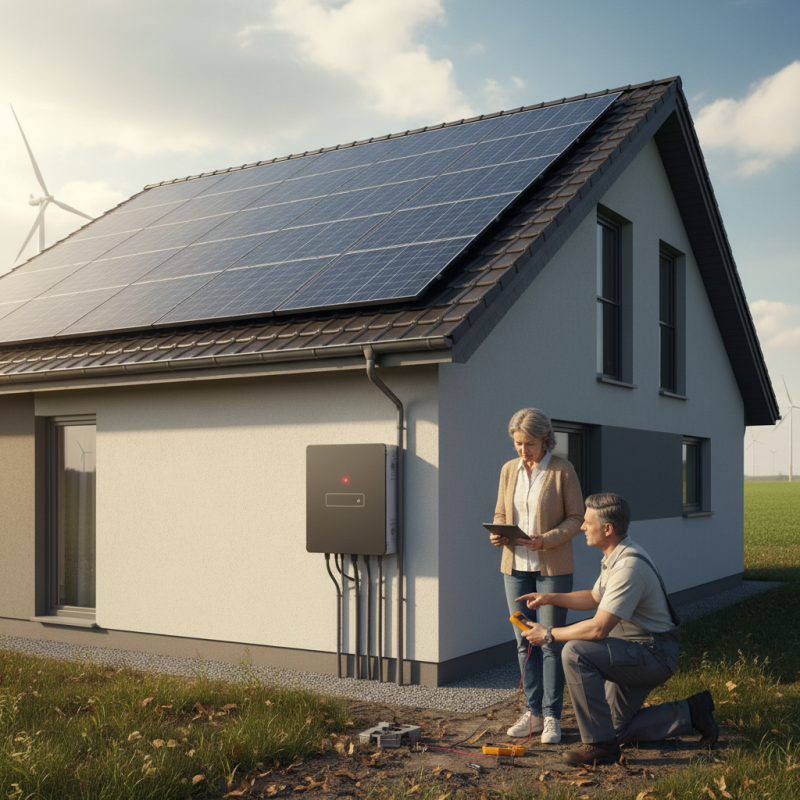
Solar inverters are crucial for converting sunlight into usable electricity. However, they can sometimes malfunction. Common issues can arise from various factors. Understanding these causes can help pinpoint troubles and aid in recovery.
One common cause of solar inverter malfunctions is overheating. Inverters can generate excessive heat when operating in high temperatures. Proper ventilation is vital. If your inverter is installed in a confined space, it may not cool down effectively. Dust and debris may also block airflow, reducing efficiency. Regular cleaning can help mitigate this issue.
Another typical problem arises from electrical faults. Loose connections can disrupt the flow of electricity. Check all connections thoroughly. Additionally, an inverter may fail due to inverter faults or system overloads. If the energy demand exceeds the inverter capacity, problems can occur. Monitoring your energy use is essential to prevent this.
Solar inverters may show errors due to software glitches. Rebooting the system can solve minor issues. However, persistent problems may require professional evaluation. It's crucial not to ignore warning signs. Identifying these faults early can save time and resources in the long run.
Diagnosing issues with your solar inverter can be daunting. However, having the right tools and techniques can make the process smoother. Start with a multimeter to check voltage levels. Ensure that the DC input from the solar panels and the AC output to your electrical system are within expected ranges. Inspecting connections is equally crucial. Loose or corroded connections can disrupt the flow of electricity.
Tools like infrared thermometers can quickly identify overheating components. Overheating may signal issues with wiring or the inverter itself. Regular maintenance on your inverter is vital. Dust and debris can hinder performance, leading to inefficiencies. Remember to keep the inverter clean and check for any error codes displayed on the unit.
Tip: Regular visual inspections can catch small problems before they escalate. If you notice anything unusual, it’s best to consult a professional. Trust your instincts; any strange sounds or smells should be addressed immediately. Ensure your safety by turning off the power before conducting any checks. Diagnosing issues early can save time and money in the long run.
Solar inverters play a crucial role in converting solar energy to usable electricity. However, when they stop working, it can be frustrating and perplexing. A 2022 report by the Solar Energy Industries Association revealed that about 5-10% of inverters fail within the first five years. Understanding common issues can help homeowners troubleshoot effectively.
Begin by checking the DC input. This is the source of energy from your solar panels. Ensure the panels are clean and free from debris. Next, inspect the inverter for any error messages or LED signals. Most inverters have built-in diagnostics that can indicate specific problems. If you spot an alarm or error code, consult the inverter’s manual for guidance.
Voltage fluctuations can also impact performance. A steady voltage level is essential for proper operation. The National Renewable Energy Laboratory indicates that inverters typically operate best within a narrow voltage range. Lastly, check for overheating, which can cause shutdowns. Inverters must be adequately ventilated to function efficiently. Adjusting their installation can sometimes resolve heat issues quickly.
Solar inverters play a crucial role in converting solar energy into usable electricity. However, they can fail for several reasons, such as overheating, poor installation, or electrical issues. To minimize these risks, certain preventive measures can make a significant difference.
Regular maintenance is essential. Inspect your solar inverter at least twice a year. Look for signs of wear and tear or loose connections. Keep the area around the inverter clean and free from dust. Dust can accumulate, leading to overheating and reduced efficiency.
**Tips:** Use a soft cloth to wipe down surfaces. Check for frayed wires. Always ensure that the inverter's cooling vents are unblocked.
Consider investing in a monitoring system. This will help in tracking the performance of your inverter. Early detection of issues can prevent more serious problems down the road. If your inverter is underperforming, perform a quick troubleshooting check.
**Tips:** Note any unusual sounds or lights. Compare daily outputs with expected performance. Don't ignore any alerts; they may indicate underlying issues.
Educating yourself about your solar system adds value. Understand the technical specifications of your inverter. This knowledge can guide you in recognizing potential problems. Embrace the need for regular checks and proactive measures for long-term system health.
If your solar inverter shows signs of malfunction, it’s crucial to recognize when to seek professional assistance. Many homeowners attempt to troubleshoot minor issues, but some situations require expert intervention. Look for warning signs, such as unusual noises, error messages, or a complete lack of output. These can indicate serious underlying problems.
It's essential to know your limitations. If you notice frequent disconnections or your system fails to produce power, it might be time to call in a specialist. Professionals have the experience and tools to diagnose complex issues that may not be evident to a novice. They can also help with compliance to safety standards and regulations, ensuring your system remains efficient.
Sometimes, you may feel tempted to fix everything yourself; this can lead to more issues. Relying on a qualified technician can provide peace of mind and save money in the long run. Regular inspections and maintenance can also prevent future breakdowns. Proper care of your solar inverter might seem simple, but it pays off when it functions dependably.
This chart represents the common causes of solar inverter failures, highlighting the percentage of each cause based on user reports.
: Excessive operating temperatures and poor ventilation are common causes. Dust and debris can block airflow.
Ensure the inverter isn't in a confined space. Regularly clean surroundings to promote better airflow.
Check all connections thoroughly. Tighten any loose wires to restore proper electricity flow.
Inspect LED signals and error codes. Refer to the inverter's manual for troubleshooting guidance.
Stable voltage is essential. Inverters work best within a narrow voltage range to avoid issues.
Inspect your inverter at least twice a year. Look for wear and keep it clean from dust.
They track performance and help detect issues early. This can prevent more serious problems later.
Persistent errors and multiple warning signs require professional help. Don’t ignore them; it can save time.
Understand your inverter's technical specifications and performance. This knowledge aids in recognizing issues.
If you notice unusual sounds, lights, or performance drops. Early intervention is crucial for efficiency.
If you're wondering, "Why is my solar inverter not working?", there are several common causes that could be at play. These can range from simple issues like shading on the solar panels or loose connections to more complex problems such as faulty components within the inverter itself. Understanding these potential malfunctions is key to effective troubleshooting.
To diagnose and fix these issues, employing the right tools and techniques is essential. A structured, step-by-step approach can help in identifying the problem, allowing homeowners to eliminate potential faults systematically. Additionally, taking preventive measures—such as regular maintenance and monitoring—can help avoid inconvenient failures in the future. If all else fails and the inverter remains non-functional, it may be time to seek professional assistance to ensure your solar power system is running smoothly.

ApexSun Solar