Solar energy systems can greatly reduce your electricity bills. However, they can pose challenges when problems arise. One common issue is the solar inverter not functioning correctly. If you find yourself asking, "Why is my solar inverter not working?" it's time to take action.
Solar inverters are crucial for converting solar energy into usable electricity. When they fail, your entire energy system can suffer. This guide aims to help you uncover the reasons behind inverter malfunctions. Each situation can be unique, and troubleshooting may take time.
Understanding the specific symptoms of your inverter's issues is essential. These can include unusual noises, error messages, or no power output. Reflecting on these details can lead to a precise diagnosis. By addressing these problems, you can ensure that your solar system runs efficiently again.
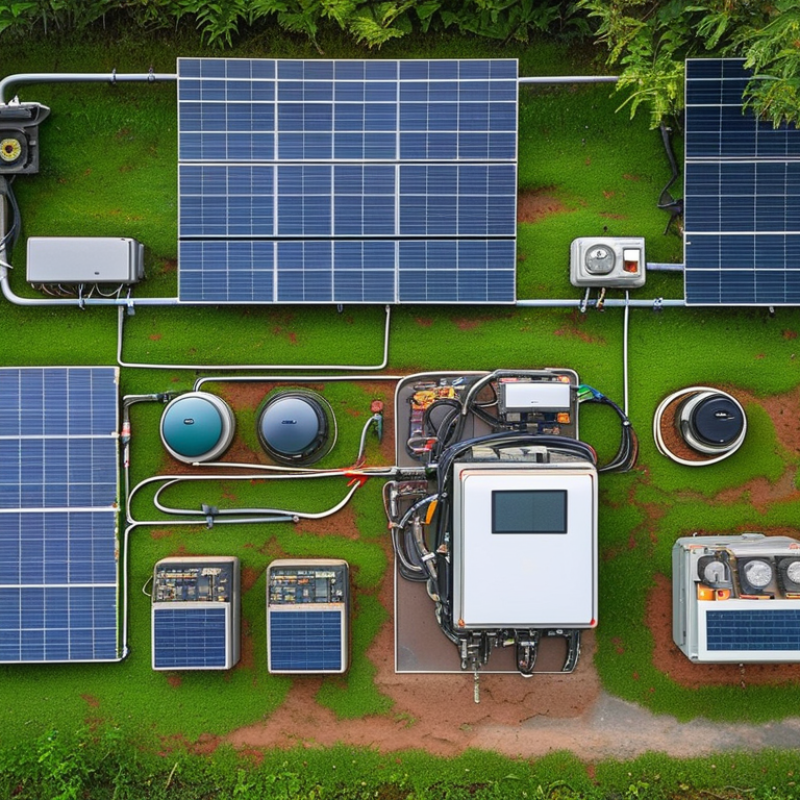
A solar inverter is crucial for converting solar energy into usable electricity. When it malfunctions, you may notice some common signs that indicate a problem. One major sign is a drop in energy production. If your home is receiving sunlight but the power output is low, the inverter may not be functioning properly. Checking your inverter’s status lights can also offer valuable insight. A red or blinking light often signals an issue that requires attention.
Another sign is unusual noises coming from the inverter. It should operate quietly. Any buzzing or clicking sounds might mean internal components are failing. Regular monitoring of system performance is essential. If you have access to an app or monitoring system, use it to track historical performance. A sudden spike or drop in readings can hint at underlying issues.
Pay attention to the inverter’s temperature. Overheating can lead to shut down. Conversely, very low temperatures might affect efficiency as well. Lastly, physical damage is a telltale sign. Inspect for any signs of wear or exposure to elements. Ignoring these signs might lead to bigger problems down the line. Regular checks and maintenance can help avoid these issues.
When your solar inverter fails to work, a few basic checks can save you time and effort. Start by inspecting the inverter's display panel. This area provides crucial information about its status. Look for error codes or warning lights. They can guide you to the problem. If the display is off, verify the power supply to the inverter. Is it plugged in? Check the circuit breaker. Sometimes, it merely needs a reset.
Next, examine the connections. Loose wires often cause issues. Ensure that all connections are tight and secure. Pay attention to the input and output cables. Inspect them for any visible damage. Look for signs of wear, fraying, or corrosion. These small details matter more than one might think. Sometimes, issues arise from improper installation. A quick visual check can reveal these mistakes.
Lastly, consider environmental factors. Heavy rain or extreme temperatures can affect performance. Shade from trees or nearby objects can also hinder efficiency. Clear any debris from the panels. Solar panels need sunlight to function properly. Using these basic checks can help narrow down issues before delving into more complicated troubleshooting. Remember, patience and careful observation are key in this process.
When your solar inverter isn't functioning, it can be frustrating. However, a systematic approach can help identify the problem. Begin by checking the display. Most inverters have LED indicators that show fault codes. These codes can provide insight into specific issues.
A 2022 report by the Solar Energy Industries Association (SEIA) found that inverter problems account for about 30% of solar system failures. This statistic highlights the importance of regular maintenance. Dust and debris on your inverter can hinder performance. Ensure it’s clean and unobstructed. Check the connections as well. Loose wires or corroded terminals can disrupt the energy flow.
Tips: Always inspect your inverter during routine system checks. Look for unusual sounds or smells. These could indicate deeper issues. If the inverter shows any error codes, refer to the manual for guidance. Not every issue requires professional intervention, but some may. If you’re uncertain, consulting with an expert can save time and money.
Regular monitoring can prevent small problems from escalating. Analyze your energy production data regularly. A dip in performance may signal underlying issues. Making adjustments promptly can enhance your system's longevity.
Solar inverters are crucial for solar energy systems. However, diagnosing inverter issues can be tricky. When the inverter fails to operate, it may result from various technical faults. According to the Solar Energy Industries Association, about 9% of operational failures are due to inverter malfunctions. This statistic indicates that understanding these problems is essential to maintaining a functional solar system.
Some inverter issues can be resolved independently. Yet, certain symptoms signal a need for professional assistance. If your inverter displays error codes or persists in shutting down, expertise is advisable. You might find yourself puzzled by a string of lights that blink ambiguously. It’s easy to overlook these signs, believing they will resolve on their own. However, consistent blinking may indicate severe underlying issues that warrant expert diagnosis.
In some cases, installations may be poorly executed, leading to mismatches with the electrical systems. Ignoring such issues can result in costly repairs down the line. The National Renewable Energy Laboratory reports that poor installation accounts for 20-30% of inverter failures. Consulting a professional ensures that installation meets safety and efficiency standards. Investing in professional advice can save you time, money, and potential future mishaps.
Maintaining your solar inverter is crucial for its longevity. Regular checks can prevent future failures. According to industry reports, over 30% of inverter issues result from neglecting maintenance. A clean, clear environment aids functionality. Dust and debris can block ventilation, increasing the risk of overheating.
One effective tip is to inspect connections regularly. Loose or corroded wires can cause failures. Ensure that connections remain tight and free of corrosion. Check your inverter's display for error codes frequently. These codes provide early warnings of potential issues. Addressing them promptly can save you from costly repairs later.
Another preventative measure involves monitoring your inverter's performance. According to a study from Renewable Energy World, optimal performance is generally around 80-90%. If you notice a significant drop, it might signal a problem. Keeping track of energy output helps identify irregularities early. Maintaining a journal of performance metrics can aid in troubleshooting.
: Reach out if your inverter shows error codes or keeps shutting down. Don’t ignore blinking lights.
Experts can help identify installation mismatches and prevent costly repairs. It's crucial for safety and efficiency.
You might resolve minor connection issues or clean the inverter. Regular checks can help.
Regular inspections are vital. Aim for monthly checks to avoid neglecting potential problems.
Dust and debris can block ventilation. A clean space helps your inverter function better.
Optimal performance is typically 80-90%. Significant drops in output may signal underlying issues.
Check connections for tightness and corrosion. Look for any unusual error codes on the display.
Maintain a journal of energy output metrics. This will help identify any irregularities early.
Yes, poor installation can lead to future failures. It accounts for a significant percentage of issues.
Yes, many may dismiss blinking lights as temporary. It's wise to address them instead.
If you're experiencing issues with your solar inverter, you may be wondering, "Why is my solar inverter not working?" Common signs of a faulty inverter include a sudden drop in energy production, warning lights, or unusual noises. Before diving into troubleshooting, it's essential to perform basic checks such as inspecting connections, ensuring there is no shading on the panels, and confirming that the inverter is receiving power.
Once basic checks are complete, a step-by-step troubleshooting guide can help identify specific issues, such as resetting the inverter or checking for error codes. If problems persist, it may be time to consult a professional for assistance. To prevent future inverter failures, regular maintenance, such as cleaning the unit and monitoring performance, is crucial. Keeping these points in mind can help ensure your solar inverter operates effectively and efficiently.

ApexSun Solar