As winter approaches, many homeowners rely on solar panels for energy. However, the performance of these panels often declines during colder months. This leads us to the question: "Why do some solar panels perform poorly in winter?" According to Dr. Emily Rhodes, a leading expert in renewable energy systems, "The efficiency of solar panels can be significantly affected by temperature, sunlight availability, and even snow accumulation."
During winter, solar panels may receive less direct sunlight. Shorter days and frequent cloud cover reduce energy production. Additionally, snow can block panels entirely, preventing them from harnessing sunlight. These factors contribute to a notable decrease in their effectiveness. Dr. Rhodes emphasizes that while some panels operate better in colder temperatures, the reduced light often offsets these benefits.
It’s important for consumers to recognize that not all solar systems are created equal. Some might excel in colder climates, while others falter. This variation can lead to misunderstandings about the true capabilities of solar technology. As we see, understanding the specific reasons behind seasonal performance is crucial for proper energy management. A deeper exploration of "Why do some solar panels perform poorly in winter" can help homeowners make informed decisions about their investments.
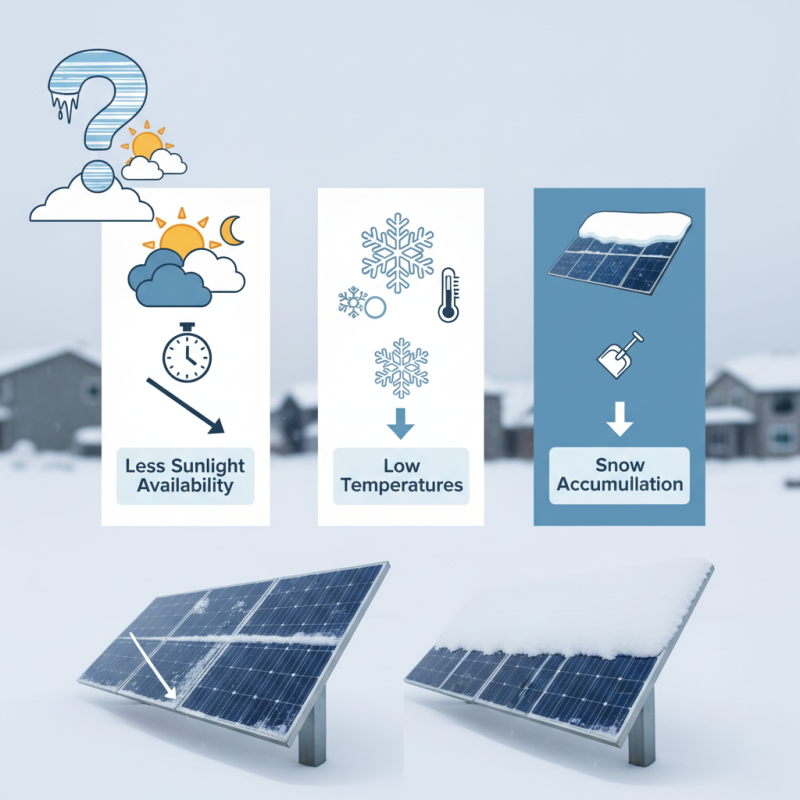
Factors Influencing Solar Panel Performance in Winter
Solar panel performance can dip during winter months for several reasons. One major factor is reduced daylight hours. Shorter days limit the amount of sunlight panels receive. In some regions, sunlight is weaker in the winter. This directly impacts energy production. Cold weather can also lead to frost on panels. When frost accumulates, it blocks sunlight. Panels may become less effective until the frost melts.
Snow cover can be another challenge. A few inches of snow can greatly impede solar energy capture. If the snow is not cleared promptly, output suffers. The angle of solar panels also affects performance.
Panels set at inappropriate angles may not absorb sunlight effectively during winter. Regular maintenance is essential to ensure optimal positioning.
Temperature plays a role too. Surprisingly, solar panels can perform better in cold temperatures than in extreme heat. Yet, the overall efficiency drop in winter remains significant. Weather fluctuations create additional unpredictability. Energy output may not meet expectations.
Users must consider these factors and be reflective about their solar investments in winter.
Impact of Temperature on Solar Cell Efficiency
Winter months can significantly affect the performance of solar panels. As temperatures drop, the efficiency of solar cells often declines. Studies show that solar panel efficiency can decrease by approximately 0.5% for every degree Celsius drop in temperature. This means colder climates can lead to a notable reduction in energy output.
Snow and ice can cover solar panels, blocking sunlight and further hindering their effectiveness. While some panels can still generate power in snowy conditions, the buildup can lead to substantial energy loss. Reports indicate that a significant portion of energy generation can be lost during heavy snowfall periods, sometimes up to 80%.
Moreover, winter days are shorter, leading to less sunlight exposure. This limited availability can compound inefficiencies caused by lower temperatures. While solar energy remains viable in winter, users should consider these factors. Optimizing solar panel placement and investing in snow removal strategies can mitigate some challenges, yet perfect solutions remain elusive. During winter, even the most advanced systems may underperform.
Effect of Snow and Ice Accumulation on Solar Panels
Snow and ice accumulation can significantly impact the performance of solar panels during winter months. A study from the National Renewable Energy Laboratory highlights that unshaded panels can lose up to 25% efficiency due to snow cover. This loss can be exacerbated in areas where snow is heavy and persistent.
When snow accumulates on solar panels, it creates a barrier that blocks sunlight. Even a small layer of snow can decrease energy generation. Furthermore, melting snow can lead to water pooling, which may cause potential damage over time. Regular maintenance is crucial but often overlooked in winter, leading to underperformance.
Some homeowners mistakenly believe solar panels are self-cleaning. In reality, snow can remain on the surface for days or weeks, especially in low sunlight conditions. The U.S. Department of Energy recommends monitoring solar output regularly during winter months. This helps identify when panels may be underperforming due to weather conditions. Understanding these challenges can lead to better planning and maintenance practices for optimal energy production.
Effect of Snow and Ice Accumulation on Solar Panel Efficiency in Winter Months
This bar chart illustrates the average efficiency of solar panels in winter months affected by snow and ice accumulation. As observed, solar panels experience a decrease in efficiency from December to January, with a recovery in the following months as snow begins to melt.
Limited Sunlight Hours and Angle of Incidence in Winter
Solar panels face unique challenges during the winter months. Limited sunlight hours are a primary factor. In winter, daylight can be reduced to as little as six hours per day in some regions. This reduction significantly impacts energy production. Studies indicate that solar panels can produce 20-30% less energy when compared to their performance in summer.
Another crucial element is the angle of incidence. During winter, the sun's position in the sky is lower. This angle can result in less efficient energy capture. According to a report by the National Renewable Energy Laboratory (NREL), even a 15-degree change in angle can decrease energy output by up to 10%. This underlines the importance of proper installation and orientation of solar arrays.
Snow cover can further complicate matters. Accumulation on panels can block sunlight entirely, leading to significant drops in efficiency. Conversely, \cold temperatures can improve the efficiency of solar cells. However, this benefit is often outweighed by the factors mentioned prior. Moreover, greater awareness and adjustments are necessary during winter to optimize solar energy systems.
Maintenance Practices to Enhance Winter Solar Performance
Winter months present unique challenges for solar panels. Reduced sunlight and colder temperatures can lead to underperformance. Regular maintenance can significantly improve solar energy output during this season. Proper upkeep ensures that panels operate efficiently, even in less-than-ideal conditions.
One key practice is keeping panels clear of snow and ice. Neglected snow accumulation can block sunlight. Regularly checking your panels can prevent this. A soft broom can be effective for light snow. For thicker layers, consider hiring a professional for safe cleaning.
Another important aspect is monitoring the angle of the panels. In winter, the sun is lower in the sky. Adjusting the angle can maximize sunlight exposure. Even a slight change can make a difference. Additionally, checking for dirt and debris buildup on the panels is crucial.
Regular cleaning allows for better light absorption. By implementing these practices, your solar system stands a better chance of performing well throughout winter. Make it a habit to inspect often, especially after heavy snowfall. Consistent vigilance can lead to improved energy production.
FAQS
: Reduced daylight hours limit sunlight exposure, causing significant drops in energy production.
Snow cover can block sunlight entirely, leading to substantial efficiency losses.
Cold temperatures can enhance efficiency, but this benefit is often masked by other winter challenges.
Efficiency may decrease by 0.5% for every degree Celsius temperature drop.
An improper angle can reduce energy output by up to 10%, especially during winter.
Frost accumulation blocks sunlight, decreasing the effectiveness of solar panels until it melts.
Solar panels can produce 20-30% less energy in winter than in summer.
Regular maintenance, optimizing panel placement, and promptly removing snow can help improve performance.
While cold can boost efficiency, factors like snow and reduced sunlight often hinder performance.
Users need to consider challenges and be prepared for unpredictable energy output during winter months.
Conclusion
The performance of solar panels during winter months can vary significantly, leading to the question: "Why do some solar panels perform poorly in winter?" Several factors influence their efficiency in colder conditions. One major factor is the impact of temperature on solar cell efficiency; although colder temperatures can enhance performance, other environmental conditions counteract this benefit.
Additionally, the accumulation of snow and ice can obstruct sunlight, further limiting power generation. The shorter daylight hours and lower angle of incidence in winter months also reduce the amount of sunlight reaching the solar panels. To mitigate these issues, proper maintenance practices can be implemented to enhance winter solar performance, ensuring that solar panels function effectively throughout the colder months.

 ApexSun Solar