Why Do Solar Panels Lose Efficiency Over Time Best Explained

Time:2026-06-22 Author:Liam
0%

Solar energy has become a backbone of renewable resources globally. However, it's crucial to address the question: "Why do solar panels lose efficiency over time?" According to the National Renewable Energy Laboratory (NREL), typical solar panels lose about 0.5% to 1% efficiency each year. This gradual decline can stem from several factors, including environmental exposure and material degradation.

The effects of UV radiation, extreme temperatures, and moisture can take a toll on solar panel performance. Studies show that dust, snow, and dirt can also hinder energy production. For instance, research indicates that unclean panels can lose up to 25% of their efficiency. While manufacturers provide warranties typically lasting 25 years, this doesn’t guarantee optimal performance throughout the lifespan.

It's essential to evaluate how these factors affect different panel types. Mono-crystalline panels may have longer lifespans than their poly-crystalline counterparts. Ultimately, understanding why solar panels lose efficiency helps consumers make informed decisions. Adopting preventative measures, such as regular cleaning, could mitigate efficiency loss. However, it raises valid concerns about long-term sustainability in solar investments.
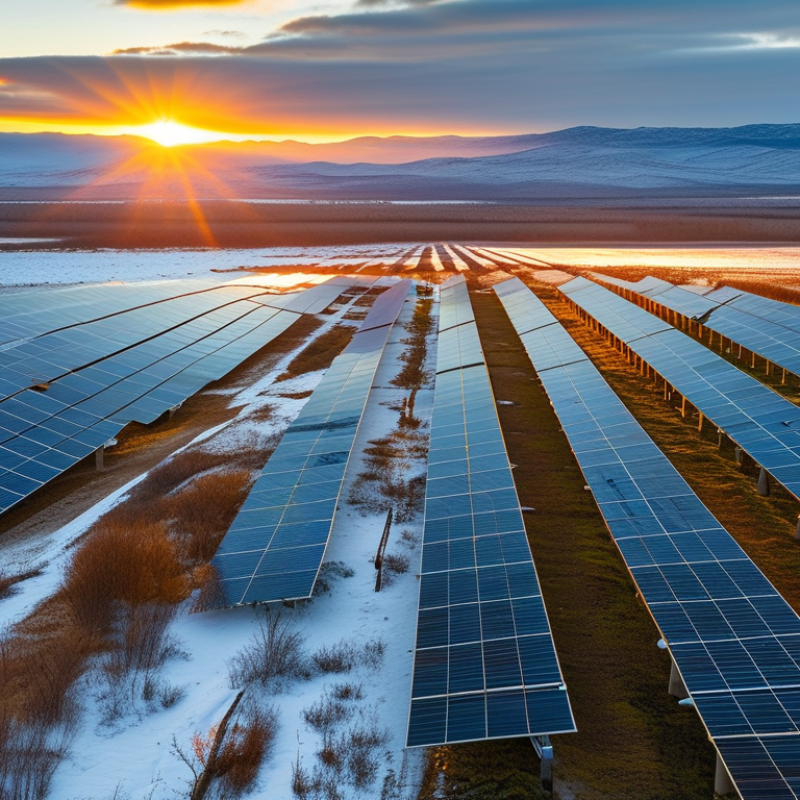
Why Do Solar Panels Lose Efficiency Over Time Best Explained

Understanding Solar Panel Efficiency and Its Importance

Solar panel efficiency is crucial for maximizing energy output. Over time, panels can experience degradation, reducing their effectiveness. Factors like temperature, shading, and dirt accumulation contribute to this loss. Understanding these elements helps in maintaining solar systems for optimal performance.

Regular maintenance can greatly enhance panel efficiency. Clean panels receive more sunlight, which boosts energy production. Schedule periodic cleaning, especially after heavy storms or dust accumulation. Additionally, monitor the system's performance regularly. Look for dips in energy output, as they can signal issues needing attention.

Consider investing in protective measures like washing the panels lightly or installing shading controls. These strategies can slow the degradation process. Evaluate your installation site's environment often. A well-placed solar panel array will perform better over its lifespan. Reflecting on the installation conditions allows for timely adjustments and improvements.

Factors Contributing to Solar Panel Efficiency Loss

Solar panels gradually lose their efficiency due to several factors. One significant factor is exposure to the elements. Rain, snow, and dirt can accumulate on panels, blocking sunlight. Over time, this accumulation can lead to a decrease in energy production. Regular maintenance is crucial.

Another important aspect is temperature. Solar panels operate best in cooler conditions. High temperatures can reduce their efficiency. A study showed that panels could lose up to 20% efficiency in extreme heat. Consider monitoring the temperature conditions of your installation.

Tips: Clean your panels regularly to ensure optimal performance. This can involve removing debris or dust. Inspect the panels for any physical damage or wear. Address issues promptly to maintain efficiency. Keep an eye on the temperature around your solar installation, especially in summer months.

The materials used in solar panels also age. Some compounds degrade faster due to UV exposure. A gradual loss in capability is often inevitable. Understanding these factors helps in planning maintenance actions effectively.

Factors Contributing to Solar Panel Efficiency Loss Over Time

Impact of Environmental Conditions on Solar Panel Performance

Environmental conditions play a significant role in the efficiency of solar panels. Factors such as temperature, humidity, and UV exposure can greatly affect performance. For instance, high temperatures can reduce the efficiency of solar cells. According to a study by the National Renewable Energy Laboratory (NREL), every degree above 25°C can lead to a loss of 0.5% efficiency. This decline becomes increasingly important in areas that experience extreme heat.

Dust and debris accumulation can also hinder solar panel efficiency. In regions with low rainfall, dust can accumulate on the panels, blocking sunlight. A report by the International Renewable Energy Agency (IRENA) estimates that soiling can reduce energy output by as much as 20%. Regular cleaning and maintenance are vital for optimal performance in such conditions.

Additionally, weather changes affect energy production. Cloud cover, rain, and storms can lead to fluctuations in solar output. In areas with frequent inclement weather, solar panel effectiveness can disappoint. These variations highlight the importance of considering local environmental factors when installing solar technology. Implementing measures to mitigate these challenges can enhance the long-term reliability of solar energy systems.

Technological Advances in Solar Panel Manufacturing

Solar panels, essential for harnessing renewable energy, are subject to efficiency loss over time. Recent studies indicate that typical solar energy systems can lose about 0.5% to 1% of their efficiency annually due to factors like environmental conditions and material degradation. However, advancements in solar panel manufacturing have significantly impacted how we approach these challenges.

Innovative technologies are reshaping solar panel production. For example, the introduction of bifacial modules, which capture sunlight on both sides, is proving to enhance overall energy yield. Reports from the Solar Energy Industries Association show that bifacial systems can improve energy production by 10% to 20% compared to traditional panels. This improvement widens the gap between less efficient systems and modern installations, encouraging more investments in high-quality solar technology.

Moreover, the emergence of improved materials, like perovskite solar cells, promises even greater efficiency. These materials can potentially reach efficiencies exceeding 25%. Yet, challenges remain in terms of durability and long-term performance under varying climatic conditions. The industry must grapple with these issues as it embraces new technologies while ensuring reliability and sustainability in solar solutions.

Best Practices for Maximizing Solar Panel Lifespan and Efficiency

To maximize the lifespan and efficiency of solar panels, regular maintenance is essential. Keeping the panels clean prevents dirt buildup. Dust and grime can block sunlight, reducing energy output. A simple cleaning routine can help maintain optimal performance. It’s best to clean panels on cool days to avoid damaging them with hot water.

Monitoring the angle and direction of your solar panels can also improve efficiency. Panels should be positioned to receive the most sunlight throughout the day. Seasonal adjustments may be needed as the sun's path changes. This practice ensures maximum energy absorption across the year.

Lastly, consider investing in quality inverters and batteries. They play a crucial role in how energy is stored and used. While they may require a higher initial investment, they can enhance overall system performance. Reflecting on these practices can lead to significant energy savings over time.

Why Do Solar Panels Lose Efficiency Over Time Best Explained - Best Practices for Maximizing Solar Panel Lifespan and Efficiency

Factor Impact on Efficiency Best Practices
Dust and Debris Reduces light absorption Regular cleaning and maintenance
Temperature Higher temperatures can decrease efficiency Install in shaded areas when possible
Age of Panels Gradual decline in performance over time Consider upgrades or replacements after 25 years
Shading Can significantly reduce output Trim trees or remove obstructions
Weather Conditions Clouds and rain can limit sunlight Tilt panels for optimal angle to sunlight

FAQS

: What is solar panel efficiency?

: Solar panel efficiency refers to how well panels convert sunlight into energy. Higher efficiency means more energy output.

How can regular maintenance improve solar panel performance?

Regular maintenance, like cleaning, boosts energy production. Clean panels let in more sunlight, significantly enhancing efficiency.

What factors contribute to solar panel efficiency loss?

Factors include temperature, shading, dirt, and exposure to elements. These can block sunlight and reduce energy output over time.

How does temperature affect solar panel efficiency?

Solar panels work best in cooler conditions. High temperatures can decrease efficiency by up to 20%, especially in extreme heat.

Why is regular cleaning of solar panels important?

Cleaning prevents dirt buildup, ensuring sunlight reaches the panels. Dust and grime can significantly lower energy output.

How can I monitor solar panel performance?

Regularly check energy output. Look for unexpected dips, which can indicate maintenance is needed to maintain efficiency.

What are some protective measures for solar panels?

Light washing and shading controls can help. These strategies slow degradation and improve overall performance.

Why should I consider the installation site's environment?

The environment affects performance. Regular evaluations help make timely adjustments for better energy generation over time.

How does panel position influence solar energy absorption?

Proper angle and direction ensure maximum sunlight exposure. Adjustments based on the sun's path enhance efficiency throughout the year.

Are quality inverters and batteries worth the investment?

Yes. They improve energy storage and usage, enhancing system performance over time, providing significant benefits despite higher initial costs.

Conclusion

Solar panels are essential for renewable energy production, but a common question arises: "Why do solar panels lose efficiency over time?" Several factors contribute to this gradual decline, including material degradation, dust accumulation, and exposure to extreme weather conditions. Understanding these factors is crucial, as they directly impact energy output and the overall performance of solar installations.

Environmental conditions play a significant role in solar panel efficiency, as factors like temperature fluctuations, humidity, and solar radiation affect their operation. Fortunately, advancements in solar panel manufacturing technology have led to the development of more resilient materials that can withstand these challenges. By adopting best practices, such as regular cleaning and optimal installation angles, users can significantly enhance the lifespan and efficiency of their solar panels, maximizing their investment in renewable energy.

Liam

Liam

Liam is a dedicated marketing professional with a profound expertise in the industry, where he excels at highlighting the unique advantages of our core products. With a keen understanding of market trends and consumer needs, Liam frequently updates our company’s professional blog, providing......