Explore our CE-certified systems, clean-energy modules, and components customized for global commercial and industrial applications.
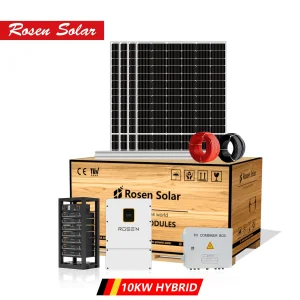
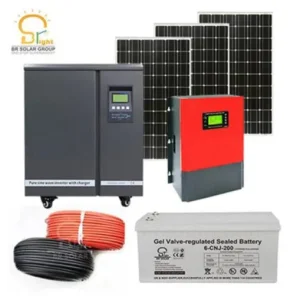
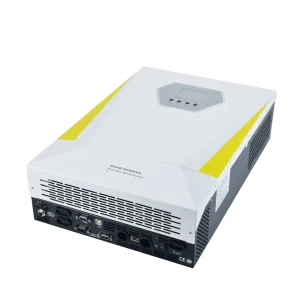
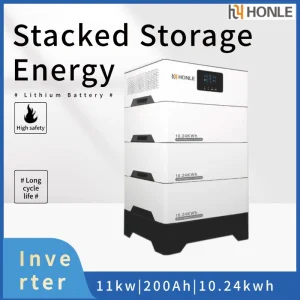
Analyzing B2B procurement vectors, regulatory tailwinds, and custom engineering paradigms for international markets.
The transition toward decentralized clean energy infrastructure is no longer merely a corporate social responsibility initiative; it is a critical strategy for financial risk mitigation and regulatory compliance. As enterprises navigate shifting energy grids, volatile fuel prices, and stringent carbon borders (such as the EU's Carbon Border Adjustment Mechanism (CBAM)), the demand for high-performance, CE Certified Custom Solar Solutions has experienced a compound annual growth rate (CAGR) of over 18%.
B2B buyers, EPC contractors, and state-backed utility agencies look for exporters that deliver more than off-the-shelf components. They require end-to-end engineering integrations that accommodate specific geographical configurations, structural challenges, and localized grid connection frameworks. A custom photovoltaic deployment must operate reliably in diverse climates—ranging from the high-temperature, low-humidity zones of the Middle East to the coastal, salt-corrosive, high-wind corridors of northern Europe and the Asia-Pacific region.
Tailored frequency synchronizations, dynamic reactive power control, and active voltage ride-through capabilities built to meet European EN 50549 and US IEEE 1547 standards.
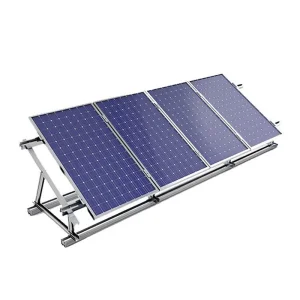
Engineered structural arrays utilizing hot-dip galvanized steel or marine-grade anodized aluminum (6005-T5) to resist C4/C5 level environmental corrosivity.
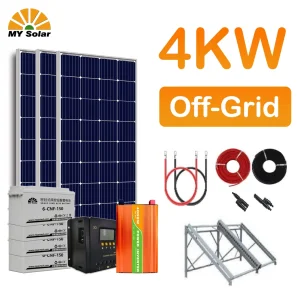
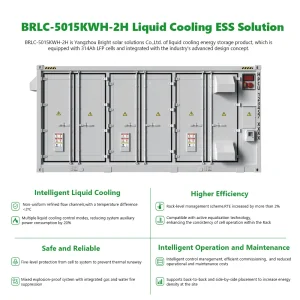
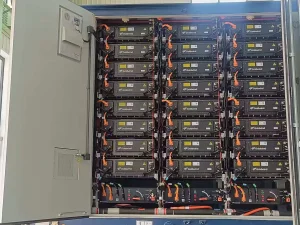
Dynamic Battery Energy Storage Systems (BESS) designed with stackable Lithium Iron Phosphate (LiFePO4) chemistry to balance peak shaving and demand-response programs.
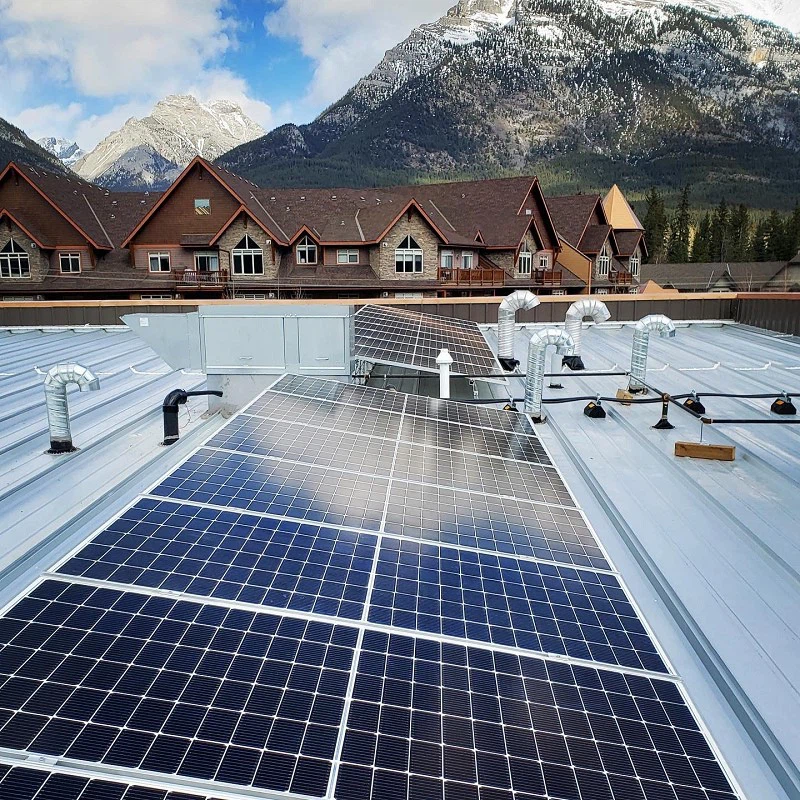
For multinational corporations operating manufacturing hubs globally, energy autonomy is essential. Setting up commercial rooftop systems, solar parking structures, or ground-mounted arrays requires navigating local utility connection frameworks. Custom exporters provide system configurations that streamline these processes. By integrating smart hybrid inverters and automated operations & maintenance systems, enterprises can secure a stable power supply while maximizing their return on investment.
A comparative overview of technological choices in modern commercial photovoltaic infrastructure.
Designing a solar system demands balancing initial capital expenditures (CAPEX) with long-term operating expenses (OPEX). Key engineering trade-offs occur when choosing inverter topologies, energy storage systems, and structural mounting configurations. Understanding these technological options ensures long-term system reliability.
| System Component | Standard Implementation | ApexSun Custom Engineered Standard | Operational/Performance Benefit |
|---|---|---|---|
| Inverter Topology | Centralized String Inverters | Hybrid Bi-directional Smart Inverters (with peak-shaving algorithm) | Increases system yield by up to 15% during partial shading conditions. |
| Battery Chemistry | Standard Lead-Acid / Standard LFP | Deep-Cycle Stackable LiFePO4 with smart BMS and active balance | Extends lifecycle to >6000 cycles at 80% Depth of Discharge (DoD). |
| Mounting Structure | Fixed Aluminum Railings | Wind-load simulated Single Pole Ground Piles or custom Ballasted Arrays | Withstands wind gusts up to 60 m/s without compromising roof membranes. |
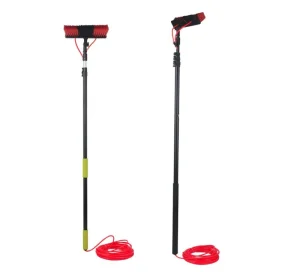
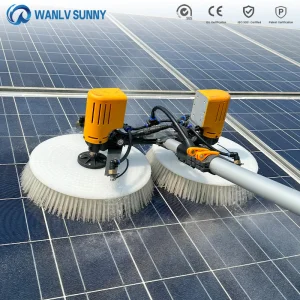
| Cleaning & Maintenance | Manual Washdown | Water-Fed Telescopic Pole and Battery-Powered Automated Rotary Brushes | Reduces dust-induced soiling losses by 8-12% in arid and dusty regions. |
| Compliance | Basic regional testing | CE, IEC 61215, IEC 61730, and EN standards verified by TÜV Rheinland | Ensures fast-track grid licensing across EU member states and global markets. |
The choice of battery technology is particularly critical for commercial projects seeking energy independence. Standard solar designs often overlook battery cell degradation caused by thermal swings. ApexSun designs stackable LFP systems with integrated thermal management interfaces, keeping the internal cells within the optimal operating range of 20°C to 30°C. This protection prevents thermal runaway and extends the system's useful operating life.
Over two decades of engineering excellence, technical innovation, and global supply chain leadership.
Founded in the early 2000s, Hangzhou ApexSun Solar Co., Ltd. has over 20 years of experience in producing high-quality photovoltaic production equipment. The company started out as a small workshop, specializing in the production of cell string welding machines. Since then, it has grown to become one of the leading manufacturers in the region.
Our growth is built on a commitment to engineering excellence, continuous technological innovation, and a strong focus on customer satisfaction. ApexSun invests substantial resources in research and development, allowing us to build more efficient solar production equipment, advanced hybrid systems, and commercial battery units.
Over the years, Hangzhou ApexSun Solar Co., Ltd. has diversified its portfolio to include a wide range of photovoltaic equipment, clean energy storage systems, and specialized structural assemblies. Our products are recognized globally for their operational lifetime and performance under challenging environmental conditions.
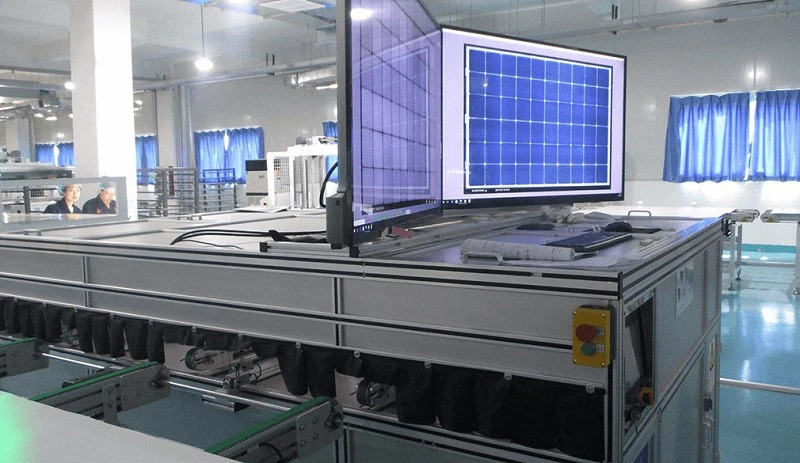
By upgrading our manufacturing facilities with state-of-the-art production lines and automated quality inspection equipment, we maintain consistent standards at high volumes. Today, Hangzhou ApexSun Solar Co., Ltd. exports custom solar solutions worldwide, supporting commercial and industrial projects in their transition to renewable energy.
Exploring the integration of AI-driven optimization, energy arbitrage, and automated cleaning tools.
Modern commercial and industrial (C&I) solar deployments must operate efficiently without relying on constant manual intervention. System designs now incorporate smart automation across both electrical and physical components. This includes advanced energy management software for grid integration, as well as automated maintenance systems that address physical soiling losses in dusty environments.
1. AI-Driven Energy Arbitrage and Peak Shaving: Modern hybrid solar energy systems use smart algorithms to manage battery charge cycles. By monitoring local utility rates in real time, these systems store excess solar energy during peak production hours and discharge it during high-tariff periods. This peak-shaving process reduces demand charges for industrial facilities, directly lowering monthly energy costs.
2. Managing Physical Degradation and Soiling: In dry or dusty regions, dust accumulation on solar panel glass can reduce power output by 1% to 2% per week. ApexSun offers specialized maintenance solutions, including water-fed telescopic poles and battery-powered rotary brushes, to keep systems operating at peak performance. These tools allow site operators to maintain panel efficiency without using harsh chemicals or risking damage to the anti-reflective coatings.
3. Structural Engineering for Wind and Seismic Loads: Commercial installations require robust structural support. Our single-pole and roof-mounting systems undergo rigorous wind-tunnel testing and structural load analysis. This ensures the structural arrays remain secure during high winds and seismic activity, protecting both the photovoltaic modules and the building's structural integrity.
By addressing both electrical and mechanical requirements, these custom systems provide global buyers with reliable, long-term performance. Integrating quality components, certified manufacturing processes, and specialized maintenance tools reduces total operational risk.
Meeting global compliance standards, verifying certification documentation, and managing complex international logistics.
Importing industrial-scale energy storage and solar systems requires navigating complex regional compliance standards. To clear customs and connect to local electrical grids, products must meet strict testing guidelines. ApexSun designs, manufactures, and certifies its systems to comply with leading international safety and performance standards.
Our systems carry the CE Mark, confirming compliance with European safety, health, and environmental requirements. This includes testing under the Low Voltage Directive (LVD) 2014/35/EU, the Electromagnetic Compatibility (EMC) Directive 2014/30/EU, and specific grid connection standards. In addition, our manufacturing facilities operate under ISO 9001:2015 quality management systems, ensuring consistent product quality from the factory floor to final installation.
We also manage the logistics of international shipping for high-capacity battery storage systems. Classified as Class 9 dangerous goods, lithium-ion battery transport requires specialized packaging, labeling, and documentation. We handle these shipping details—including UN38.3 test summaries and dangerous goods declarations—to ensure safe, compliant delivery to ports worldwide.
Answers to common technical, logistics, and compliance questions from B2B buyers and energy engineers.
Explore additional specialized solar systems, energy storage batteries, mounting structures, and production equipment.
 ApexSun Solar