Maximize distribution efficiency and optimize energy harvest with our primary export-grade solar hardware array.
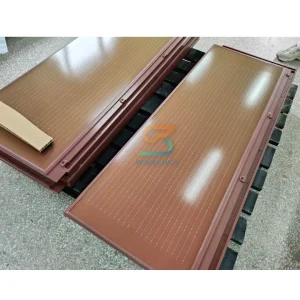
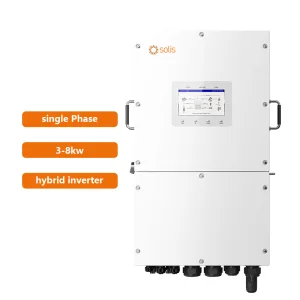
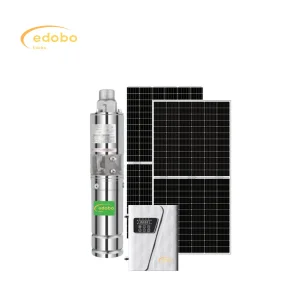
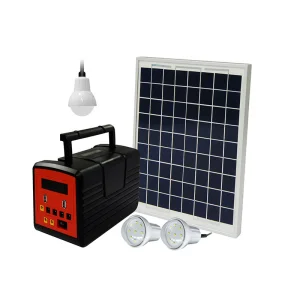
Founded in the early 2000s, Hangzhou ApexSun Solar Co., Ltd. has over 20 years of experience in producing high-quality photovoltaic production equipment. The company started out as a small workshop, specializing in the production of cell string welding machines. Since then, it has grown to become one of the leading manufacturers in the region.
Hangzhou ApexSun Solar Co., Ltd.'s success is attributed to its commitment to excellence, continuous innovation, and a focus on customer satisfaction. The company invests a significant amount of resources in research and development, allowing it to develop more efficient solar production equipment.
Today, Hangzhou ApexSun Solar Co., Ltd. is a well-established and respected player in the solar energy industry. Its products are exported to various countries around the world, and the company has built a strong reputation for its commitment to quality, innovation, and customer satisfaction.
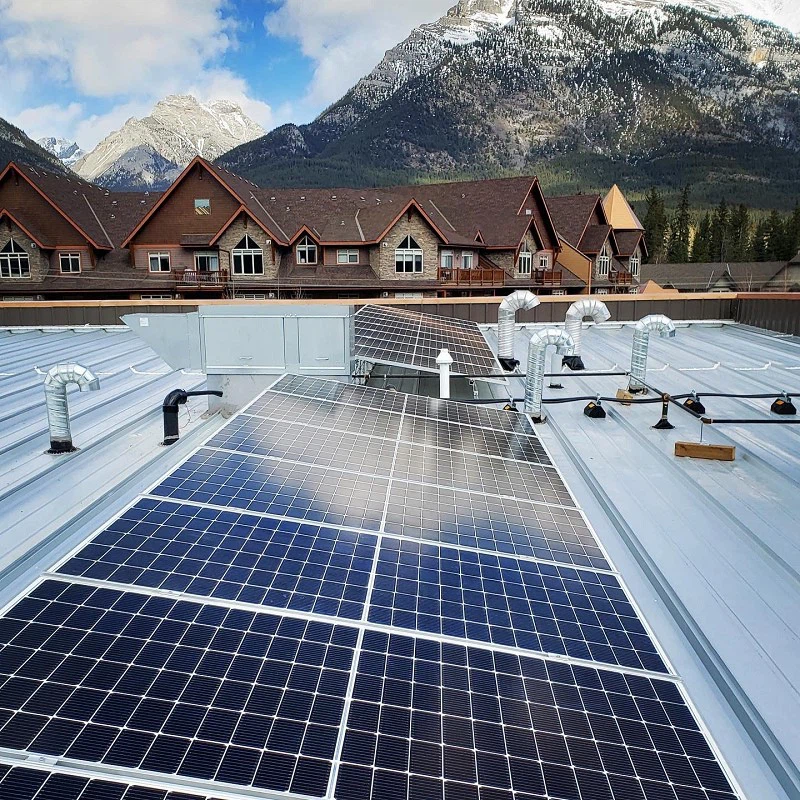
How Tier-1 developers, regional EPCs, and international distributors secure high-ROI sustainable charging architecture.
Modern enterprises demand seamless transit between grid power, PV yield, and stored electrochemical energy. We structure our systems around sophisticated multi-port smart inverters capable of sub-10ms failover, ensuring active uptime and continuous charging power even during local grid failure event sequences.
Our EV charging integration supports Open Charge Point Protocol (OCPP 1.6J / 2.0.1) paired with automated peak-shaving algorithms. This allows industrial yards to charge fleets of Class 8 vehicles without triggering peak demand utility tariffs, significantly compressing the expected payback timeline.
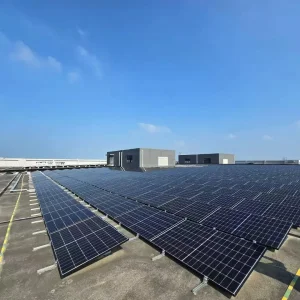
Whether deployed in heavy mining complexes or near maritime shipping lanes, industrial solar arrays require ingress protections (IP65/IP66) and high-load structural engineering. Our tracking and stationary mounting solutions survive winds exceeding 240km/h and utilize C5-corrosion class steel ribbons.
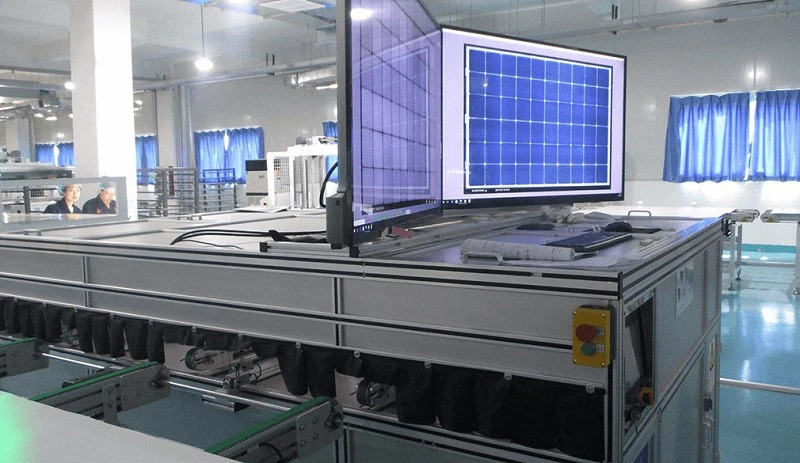
Over the years, Hangzhou ApexSun Solar Co., Ltd. has diversified its product lines to include a wide range of photovoltaic equipment and solar energy systems. The company's products are highly regarded for their performance, durability, and longevity, ensuring customers a reliable production equipment and sustainable source of energy.
The company has expanded its manufacturing facilities to include state-of-the-art production lines and advanced manufacturing technologies. This has allowed Hangzhou ApexSun Solar Co., Ltd. to increase its production capacity while maintaining the high quality standards that have made it a market leader in solar components and integrated solutions.
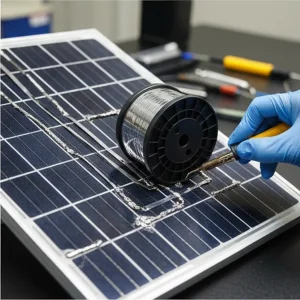
Our manufacturing workflow operates under strict ISO 9001:2015 frameworks. By incorporating robotic cell welding, automated optical inspection (AOI), and multi-stage electrical stress testing, we eliminate manufacturing defects prior to international shipping.
Charting the transition towards smart grid parity, high-voltage battery storage, and dynamic vehicle-to-grid (V2G) power routing.
Transitioning from traditional dual-conversion AC coupled charging to highly efficient DC-DC coupling. By directly feeding PV yield through buck-boost regulatory stages into the EV battery pack, conversion losses are slashed by up to 12%.
Integrating ISO 15118-20 protocol stacks into our OEM charging cabinets, empowering electric vehicle fleets to act as mobile grid-stabilization batteries during peak grid congestion windows.
Deploying AI-driven Energy Management Systems (EMS) that analyze localized meteorological predictions, historical transport schedules, and grid pricing structures to schedule real-time power dispatch.
Mitigating deployment risks through certified safety, structural, and regulatory compliance frameworks.
Our export solutions are designed to adhere to localized grid codes, including IEEE 1547 (US), G99 (UK), and VDE-AR-N 4105 (Germany). Active reactive-power control, low-voltage ride-through (LVRT), and frequency regulation loops are embedded in all hybrid architectures.
We provide structural wind tunnel verification data for our mounting hardware. S355 and Q355B structural steel alloys are cold-rolled and hot-dip galvanized to AS/NZS 4680 standards, ensuring structural integrity over a 25-year service period.
Our LiFePO4 battery energy storage systems (BESS) are fully certified to UN38.3, MSDS, and IEC 62619 guidelines. Multi-tiered Battery Management Systems (BMS) monitor individual cell voltages, state-of-charge (SoC), and thermal propagation risk mitigation profiles.
Technical answers to critical integration, engineering, and logistics questions from procurement specialists.
The net system efficiency depends on the coupling topology. A standard AC-coupled setup involves three distinct conversion cycles (DC from PV to AC via the Solar Inverter, AC to DC via the EV's onboard charger), leading to a combined 15% to 20% conversion loss. Our advanced hybrid configurations support direct DC-to-DC distribution, mitigating the AC-inversion phase and preserving over 92% of the captured solar energy from module to vehicle terminal.
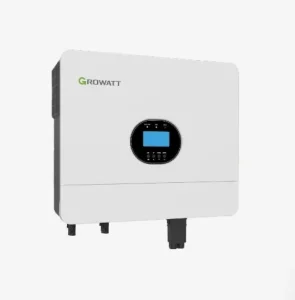
The Goodwe 12kW hybrid inverter utilizes complex energy scheduling algorithms. It prioritizes direct PV consumption for EV charging. If the PV output drops below the current demand, it seamlessly draws from the stationary battery pack. Grid intake is restricted to off-peak pricing windows unless dynamic load parameters require supplementary currents, which are then throttled to prevent utility demand charges.
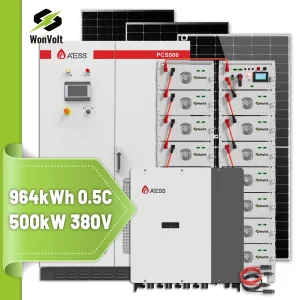
Our 1000kWh LiFePO4 battery energy storage system is engineered with three layers of safety protection: active gas-venting systems, internal aerosol fire-extinguishing agents activated by thermal detectors, and real-time cellular monitoring via a dual-MCU Battery Management System. This structure is built inside an IP55 rated shipping container with dedicated HVAC control to handle ambient operations from -20°C to +55°C.
Dynamic load balancing monitors the facility's total power consumption in real-time. When building utility demands rise (e.g., HVAC or industrial machinery startup), the EV charging management system automatically reduces power allocation to the connected fleet. This prevents breaker trips and avoids exceeding the facility's contracted utility capacity ceiling, ensuring safe operation without upgrading expensive utility transformers.
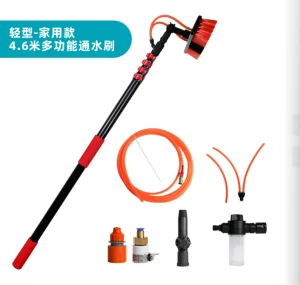
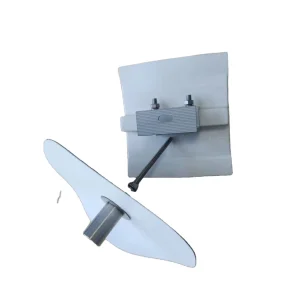
Ensure structural safety and maintain peak operational efficiency with our specialized sub-system line.
 ApexSun Solar