Engineered hardware and complete systems customized to fit rigorous commercial, agricultural, and industrial specs.
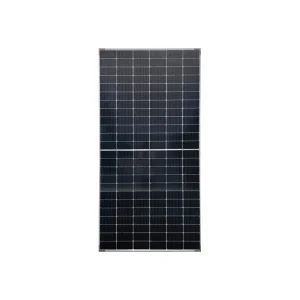
The global renewable energy landscape is transitioning from standardized mass-market hardware to deeply integrated, application-specific systems. As commercial entities and utilities face grid volatility, rising decarbonization requirements, and unpredictable fuel dynamics, the value of customized OEM/ODM design has escalated from a cost-control measure to an absolute strategic imperative.
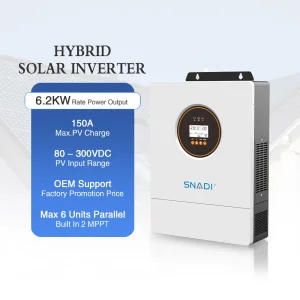
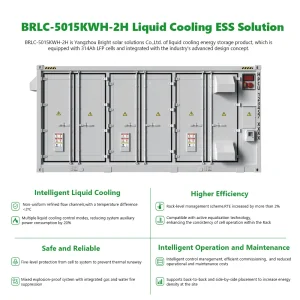
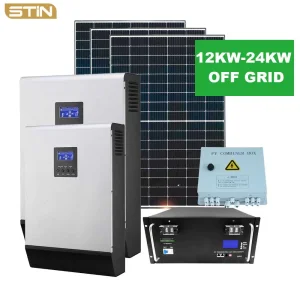
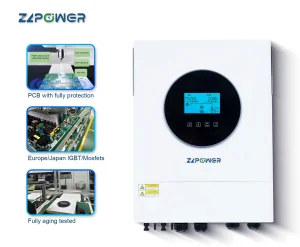
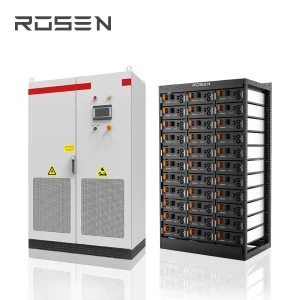
Static photovoltaic arrays are no longer sufficient to meet modern grid-stability needs. Modern commercial procurement favors systems that fully integrate battery storage systems (BESS). These solutions combine hybrid MPPT solar charge controller topologies with heavy-duty lithium storage arrays to facilitate peak shaving, real-time load leveling, and robust backup power capabilities.
Dynamic mounting frameworks have replaced fixed installations for projects requiring maximum energy harvest. Sophisticated astronomical-algorithm-based trackers dynamically adjust panels in real-time, achieving up to 25% higher efficiency compared to static systems. When integrated with local network sensors, these platforms actively respond to local grid constraints and dynamic power pricing fluctuations.
Firms are targeting scope-1 emission reductions at isolated infrastructure nodes—including deep-well pumps for agriculture, remote telecommunication hubs, and regional municipal utilities. By pairing high-efficiency DC-driven motor technologies directly with dedicated PV components, companies can run off-grid locations reliably without relying on high-maintenance diesel generators.
A statistical look at our design validation, global deployments, and production capability.
Manufacturing Authority
Product Pass Rate (OQA)
Global Export Footprint
Cumulative Engineered Capacity
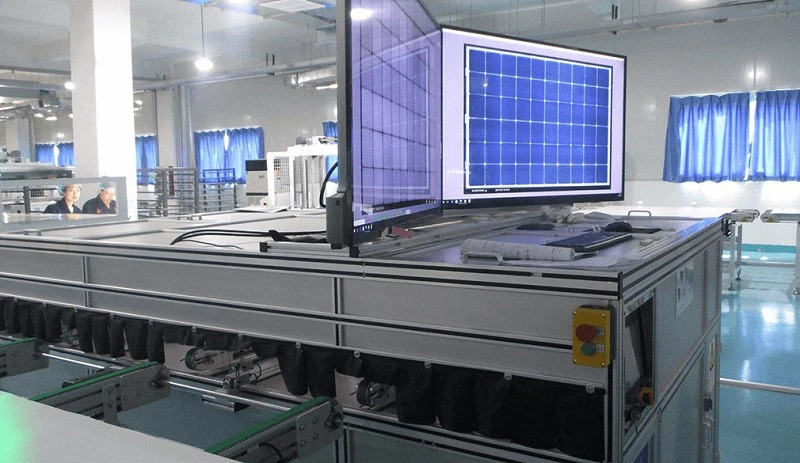
Founded in the early 2000s, Hangzhou ApexSun Solar Co., Ltd. has over 20 years of experience in producing high-quality photovoltaic production equipment. The company started out as a small workshop, specializing in the production of cell string welding machines. Since then, it has grown to become one of the leading manufacturers in the region.
Hangzhou ApexSun Solar Co., Ltd.'s success is attributed to its commitment to excellence, continuous innovation, and a focus on customer satisfaction. The company invests a significant amount of resources in research and development, allowing it to develop more efficient solar production equipment.
Over the years, Hangzhou ApexSun Solar Co., Ltd. has diversified its product portfolio to include a wide range of photovoltaic equipment and solar energy systems. The company's products are highly regarded for their performance, durability, and longevity, ensuring customers reliable production equipment and a sustainable source of energy.
Today, the company's growth has not only been limited to its product category but also to its production capacity. We have expanded our manufacturing facilities to include state-of-the-art production lines and advanced manufacturing technologies. This has allowed Hangzhou ApexSun Solar Co., Ltd. to increase its production capacity while maintaining the high quality standards that have made us a market leader.
Currently, our products are exported to various countries around the world, and we have built a strong reputation for our commitment to quality, innovation, and customer satisfaction. With our rich history and continued growth, we remain a leading manufacturer of photovoltaic energy and are committed to promoting the use of renewable energy in the years to come.
How Hangzhou ApexSun Solar integrates digital manufacturing and local industrial clusters to secure global project timelines.
In the highly competitive solar sector, supply chain continuity is as vital as hardware reliability. Operating from our production base in Hangzhou, China, ApexSun leverages China’s mature Photovoltaic Industrial Clusters. This concentration of raw material processors, structural aluminum extruders, and advanced chip packagers within a 200km radius minimizes logistics delays and mitigates geopolitical risk factors.
By using automated Industry 4.0 welding robotics, optical AI detectors, and digital load-testing chambers, we guarantee consistent electrical output across large manufacturing runs. For global buyers, this optimization shortens lead times, improves technical support responsiveness, and provides stable pricing during market fluctuations.
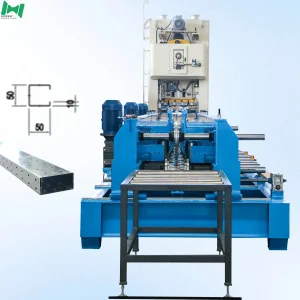
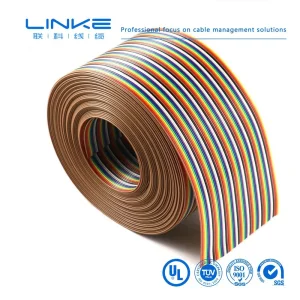
Furthermore, our integrated processing capabilities allow us to adjust customized structural metal components, structural mounting frameworks, and advanced system wiring designs in-house. This internal control limits external delays and ensures that system parts arrive pre-assembled and ready for field installation.
Renewable designs customized to resolve distinct environmental, spatial, and mechanical grid constraints.
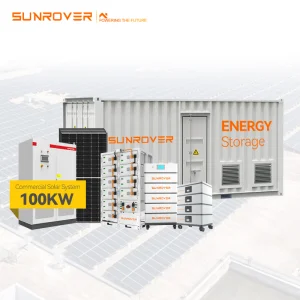
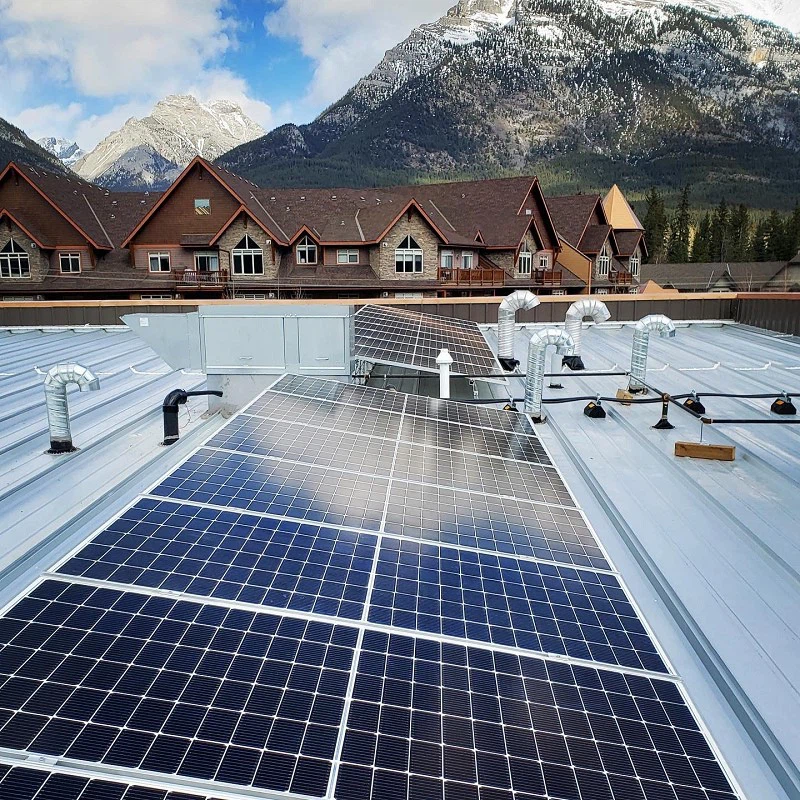
Designed for factories and commercial properties looking for grid independence. We pair 100kW–400kW solar systems with high-capacity hybrid inverters to enable peak-shaving, reduce demand charges, and secure continuous backup power.
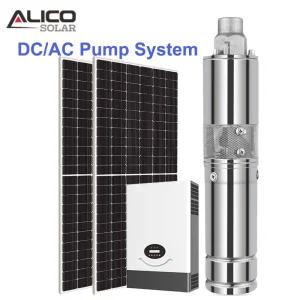
Off-grid solar pump configurations utilize dedicated DC/AC MPPT controllers to run deep-well submersible pumps in remote areas. This setup operates without battery storage, reducing maintenance costs and ensuring reliable crop irrigation.
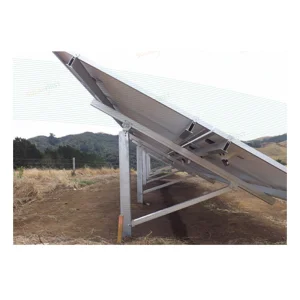
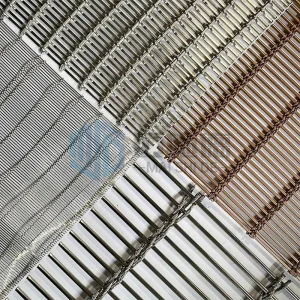
For installations in humid coastal winds or industrial locations, we utilize structural-grade anodized aluminum structures alongside customized stainless steel components to prevent galvanic corrosion and ensure a 25-year service life.
Technical answers to common questions about customization options, safety standards, and project logistics.
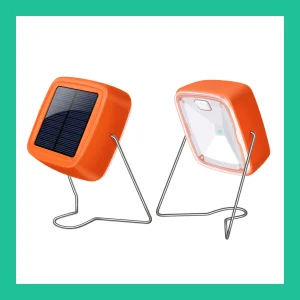
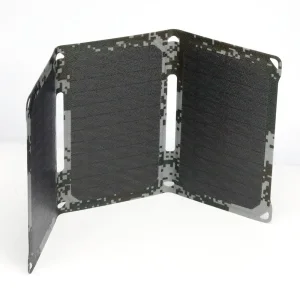
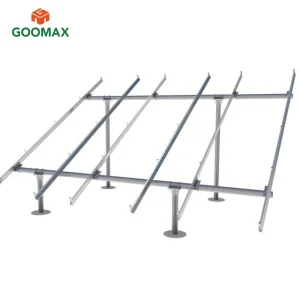
Complete project components—from portable panels and smart tracking systems to mechanical assemblies.
 ApexSun Solar