High-performance engineering designed for resilient global deployment and infrastructure upgrades.
Global energy paradigms are shifting rapidly from centralized carbon-intensive grids to localized, zero-carbon microgrids. Solar electrification represents the cornerstone of this transition. For Commercial & Industrial (C&I) enterprises, municipal utilities, and remote developments, procuring high-performing solar solutions is no longer simply about cost per watt. Modern solar engineering demands integrated systems that merge photovoltaic generation with smart Battery Energy Storage Systems (BESS), robust structural components, and high-precision manufacturing systems.
This whitepaper examines the technical and operational methodologies required of Tier-1 OEM/ODM solar electrification suppliers. We explore supply chain optimizations under Chinese Industry 4.0 paradigms, evaluate application architectures across diverse global scenarios, and analyze how specialized design protocols enhance system bankability, structural integrity, and long-term return on investment (ROI).
As global temperatures rise and regulatory landscapes penalize Scope 1 and Scope 2 carbon emissions, enterprises face unprecedented pressure to implement robust energy security policies. Key technological trends driving the solar electrification industry include:
The incorporation of high-density lithium iron phosphate (LiFePO4) storage chemistries enables commercial installations to mitigate high utility demand charges, participate in peak shaving, and secure uninterrupted backup power.
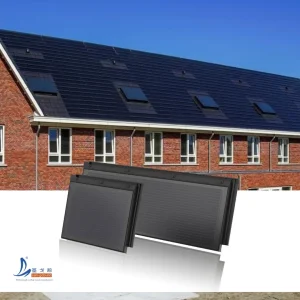
Building-Integrated Photovoltaics (BIPV) are replacing traditional construction materials. Modern solar roof tiles and facade panels act as both building envelope protection and clean energy generators.
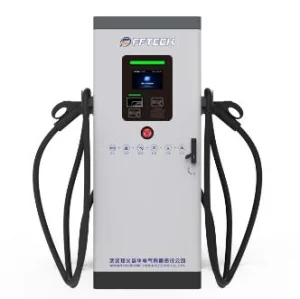
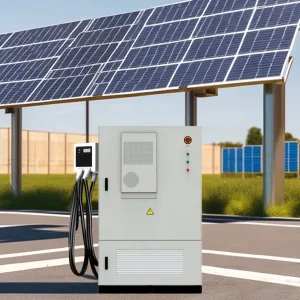
Commercial EV charging points powered directly by onsite solar carports reduce strain on municipal grids. This configuration enables seamless logistics operations using high-power, multi-gun DC charging arrays.
This structural evolution requires manufacturers to expand their product portfolios. Factory capabilities must range from high-precision PV module mounting brackets that withstand typhoons to sophisticated smart energy control systems designed to coordinate variable solar generation with battery capacity and grid demands.
When corporate procurement officers, EPCs (Engineering, Procurement, and Construction), and infrastructure developers evaluate OEM/ODM solar suppliers, they prioritize risk mitigation, regulatory compliance, and customized integration. The modern buyer demands:
"Information Gain in Solar Sourcing: True supply chain resilience depends on selecting partners who possess vertically integrated engineering assets—from initial CAD prototyping to deep automated testing of high-voltage sub-assemblies."
Founded in the early 2000s, Hangzhou ApexSun Solar Co., Ltd. has over 20 years of experience in producing high-quality photovoltaic production equipment. The company started out as a small workshop, specializing in the production of cell string welding machine. Since then, it has grown to become one of the leading manufacturers in the region.
Hangzhou ApexSun Solar Co., Ltd.'s success is attributed to its commitment to excellence, continuous innovation, and a focus on customer satisfaction. The company invests a significant amount of resources in research and development, allowing it to develop more efficient solar production equipment.
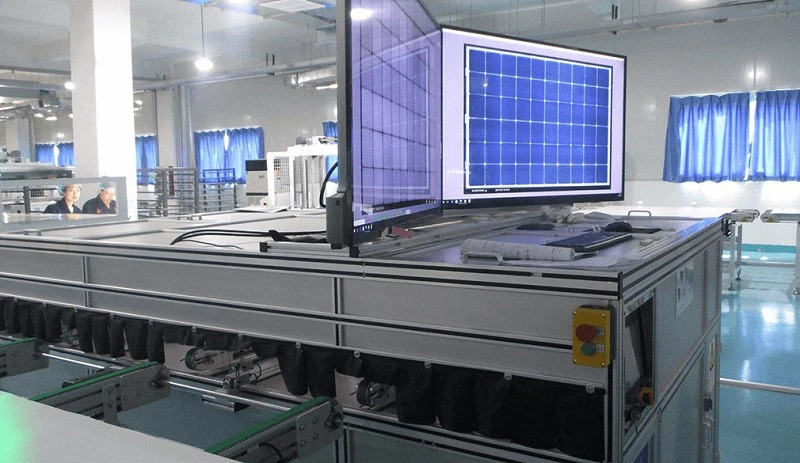
Over the years, Hangzhou ApexSun Solar Co., Ltd. has diversified its product to include a wide range of photovoltaic equipment and solar energy systems. The company's products are highly regarded for their performance, durability, and longevity, ensuring customers a reliable production equipment and sustainable source of energy.
Hangzhou ApexSun Solar Co., Ltd.'s growth has not only been limited to its product category but also to its production capacity. The company has expanded its manufacturing facilities to include state-of-the-art production lines and advanced manufacturing technologies. This has allowed Hangzhou ApexSun Solar Co., Ltd. to increase its production capacity while maintaining the high quality standards that have made it a market leader.
Today, Hangzhou ApexSun Solar Co., Ltd. is a well-established and respected player in the solar energy industry. Its products are exported to various countries around the world, and the company has built a strong reputation for its commitment to quality, innovation, and customer satisfaction. With its rich history and continued growth, Hangzhou ApexSun Solar Co., Ltd. remains a leading manufacturer of photovoltaic energy and is committed to promoting the use of renewable energy in the years to come.
Modern Chinese solar factories are moving away from manual assembly lines toward smart manufacturing ecosystems, also known as Industry 4.0. Hangzhou ApexSun Solar Co., Ltd. and allied high-performance manufacturers implement automated assembly techniques to ensure structural reliability, minimize component degradation, and reduce the levelized cost of energy (LCOE).
Using advanced cell-string welding machinery and robotic picker arms reduces alignment error tolerances to under 0.1mm. This eliminates micro-cracks and potential cell hot spots during thermal cycling.
Proximity to key raw material clusters (silicon, mounting extrusions, copper, and control electronics) minimizes transit delays, limits material oxidation, and reduces freight-related emissions.
Every module undergoes inline Electroluminescence (EL) testing, high-pot isolation diagnostics, and flashing tests to trace and document its electrical performance profile before shipment.
Decentralized solar electrification must function reliably under diverse environmental and commercial conditions. In this section, we analyze several key localized application scenarios:
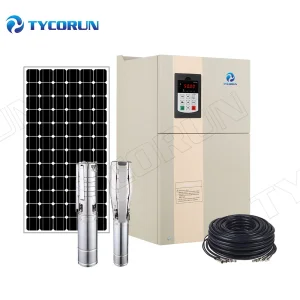
In regions lacking reliable electrical grids, off-grid microgrids paired with high-head submersible solar pumps provide essential water access for agricultural irrigation and mining projects, operating without costly diesel fuel logistics.
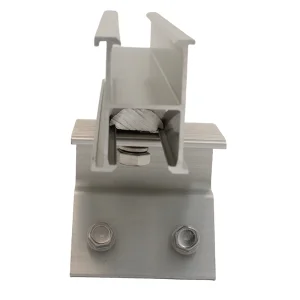
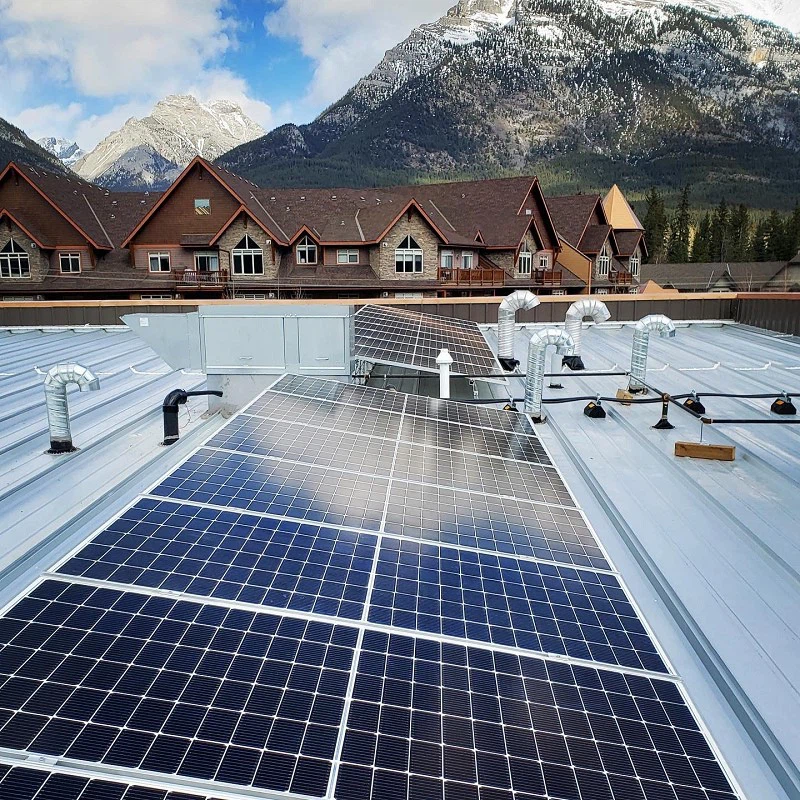
Warehouses and logistics centers use specialized roof clamp mounting solutions to secure high-yield photovoltaic arrays without compromising the integrity of standing seam metal roofs.
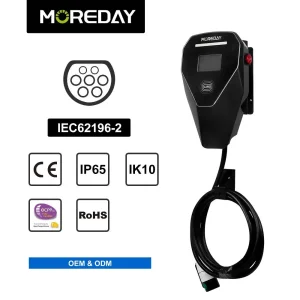
By coupling high-capacity hybrid solar systems with floor-standing charging stations, commercial hubs can offer rapid EV charging services while managing local grid integration effectively.
Deep technical responses resolving common inquiries from procurement directors and project engineers.
BIPV solar tiles (such as the Wonergy Solardachziegel) replace traditional roof cladding materials, reducing the secondary structural load of mounting rails. While standard panels may achieve slightly higher nominal cell efficiencies due to rear-side cooling ventilation, BIPV tiles offer superior aesthetic appeal, wind-uplift resistance, and integrated weathering characteristics. Their operating lifetime is designed to match the building's lifespan (typically 25 to 30 years).
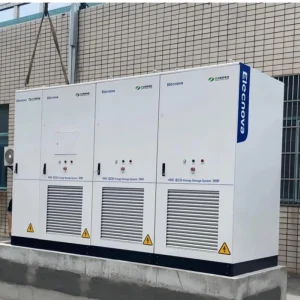
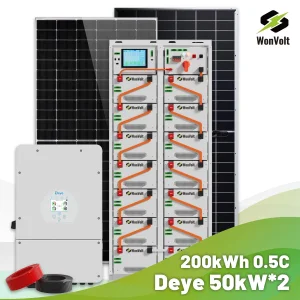
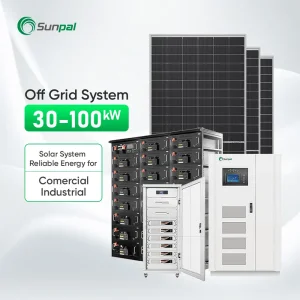
C&I battery storage solutions (like the Elecnova 200kw system) primarily use Lithium Iron Phosphate (LiFePO4) chemistry due to its thermal stability, long cycle life (typically over 6,000 cycles at 80% Depth of Discharge), and safety profile compared to nickel-manganese-cobalt (NMC) alternatives. Crucial parameters to specify include the C-rate (charge/discharge ratio), system auxiliary self-consumption, and thermal management (liquid vs. forced-air cooling).
Premium metal roof mounting clamps are constructed from anodized aluminum alloy (AL6005-T5) or high-grade stainless steel (SUS304). By utilizing rubber EPDM gaskets and specialized mechanical design, the clamp prevents direct galvanic contact between dissimilar metals, which avoids localized galvanic corrosion and preserves the roof warranty.
The Open Charge Point Protocol (OCPP) version 1.6 J allows commercial charging stations to communicate seamlessly with central billing networks, utility demand-response servers, and smart fleet management software. This open-standard integration ensures the equipment remains compatible with future software platforms and prevents vendor lock-in.
The primary failures include dry-running, sand abrasion, and voltage fluctuations. Advanced submersible solar pumping systems resolve these challenges by integrating dry-run protection sensors, stainless steel impellers, and smart variable frequency drives (VFDs) that adjust flow rates according to dynamic solar irradiance levels.
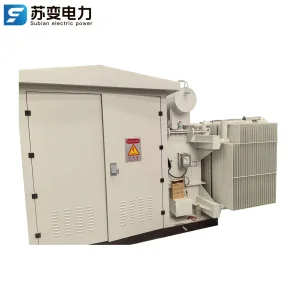
Pre-engineered integration combines inverters, protective switchgear, metering, and energy storage into a unified skid or container. This plug-and-play assembly reduces installation errors, accelerates onsite deployment, and ensures all protection settings (such as anti-islanding and rapid voltage regulation) are pre-configured to meet strict utility interconnect standards.
High-performance configurations optimized for demanding commercial, agricultural, and industrial applications.
 ApexSun Solar