Our core product portfolio features structural, electrical, and utility maintenance components designed to withstand harsh environments while improving long-term Levelized Cost of Energy (LCOE).
The photovoltaic (PV) generation environment is rapidly moving past simple installation projects toward complex, highly regulated, utility-scale deployments and integrated Microgrids. As global commitments to achieve net-zero carbon emissions intensify, EPC (Engineering, Procurement, and Construction) companies and solar asset managers face distinct operational hurdles: reducing initial capital expenditures (CAPEX), minimizing operational expenses (OPEX) over a 25-year structural lifecycle, and optimizing dynamic system yields. According to global energy research projections, the balance of system (BOS) segment—comprising mountings, cables, combiners, and performance trackers—now accounts for over 45% of the total solar project development budget, highlighting its significance in driving project economics.
In high-irradiation regions such as MENA, Australia, and Southern Europe, solar systems are increasingly exposed to extreme thermal cycling, high wind loads, and abrasive airborne particulate matter. Standard mounting brackets and unoptimized charge controllers suffer from premature degradation, resulting in significant annual capacity drops. Overcoming these challenges requires an uncompromising commitment to advanced material science and robust engineering practices. By sourcing optimized custom OEM accessories built to withstand specific environmental demands, developers can limit thermal degradation, avoid dynamic micro-cracking in PV modules, and ensure optimal energy throughput during grid spikes.
Custom engineering is crucial for modern PV configurations. Off-the-shelf accessories often fail to meet local load calculations, municipal zoning constraints, or unique system configurations. As a dedicated OEM supplier, our collaborative approach follows a structured pipeline designed to ensure reliability, structural feasibility, and rapid deployment cycles.
We work with anodized aluminum (6005-T5), hot-dip galvanized steel (Q235B/Q355B), and corrosion-resistant alloys. Our materials are selected for maximum shear strength, minimal weight, and compatibility with various soils and structures.
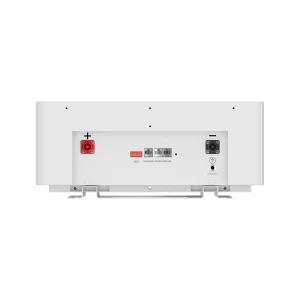
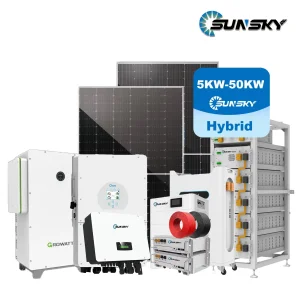
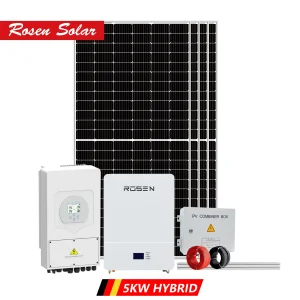
Our electrical systems, including MPPT charge controllers and Battery Energy Storage Systems (BESS), use advanced thermal management layouts and top-tier semiconductors to ensure stable operation and high conversion efficiency.
Our mounting systems are designed to withstand extreme environments, withstanding wind speeds up to 60m/s and heavy snow loads. Wind tunnel simulations help verify stability before structural manufacturing begins.
Founded in the early 2000s, Hangzhou ApexSun Solar Co., Ltd. has over 20 years of experience in producing high-quality photovoltaic production equipment. The company started out as a small workshop, specializing in the production of cell string welding machines. Since then, it has grown to become one of the leading manufacturers in the region.
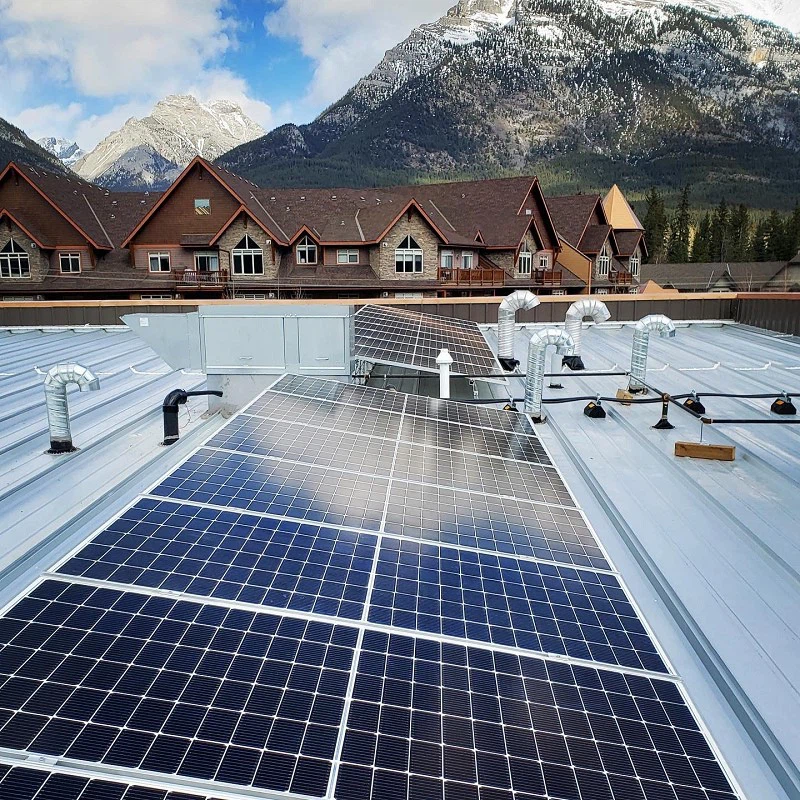
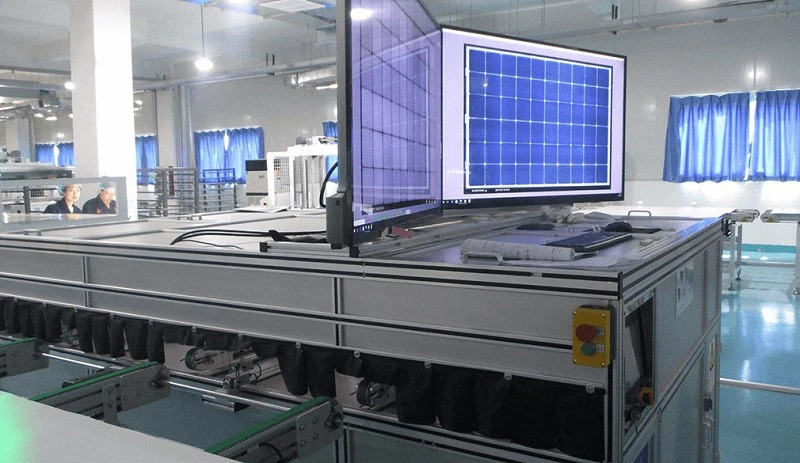
Hangzhou ApexSun Solar Co., Ltd.'s success is attributed to its commitment to excellence, continuous innovation, and a focus on customer satisfaction. The company invests a significant amount of resources in research and development, allowing it to develop more efficient solar production equipment.
Over the years, Hangzhou ApexSun Solar Co., Ltd. has diversified its product range to include a wide variety of photovoltaic equipment and solar energy systems. The company's products are highly regarded for their performance, durability, and longevity, providing customers with reliable production equipment and a sustainable source of energy.
In addition to expanding its product categories, the company has grown its production capacity. Hangzhou ApexSun Solar Co., Ltd. has expanded its manufacturing facilities to include state-of-the-art production lines and advanced manufacturing technologies. This has allowed the company to scale its output while maintaining the strict quality standards that have established its market leadership.
Today, Hangzhou ApexSun Solar Co., Ltd. is a well-established and respected player in the solar energy industry. Its products are exported to various countries around the world, and the company has built a strong reputation for its commitment to quality, innovation, and customer satisfaction. With its rich history and continued growth, Hangzhou ApexSun Solar Co., Ltd. remains a leading manufacturer of photovoltaic systems, committed to promoting the global transition to renewable energy in the years to come.
Solar systems operate across diverse environmental landscapes. Below are the key localized application scenarios for which we provide custom-manufactured solutions:
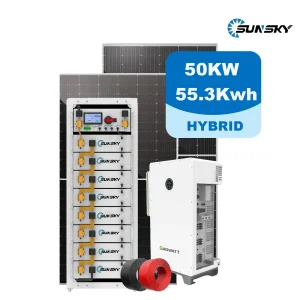
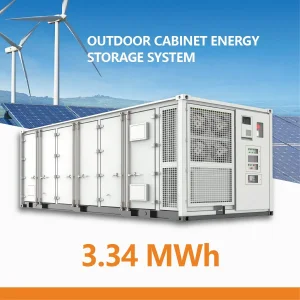
Designed for heavy manufacturing sites, mining facilities, and microgrids. Our industrial battery cabinets and BESS containers optimize load leveling, manage high demand peaks, and offer backup power, ensuring high performance over 8,000 charge cycles.
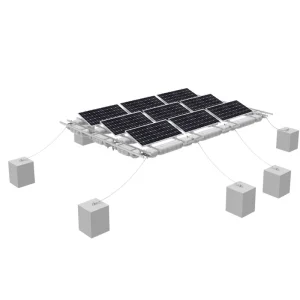
For reservoirs, wastewater treatment plants, and hydro dams. We manufacture floating pontoon mounting systems with high-density materials that resist moisture and UV degradation, helping to reduce water evaporation and optimize solar performance.
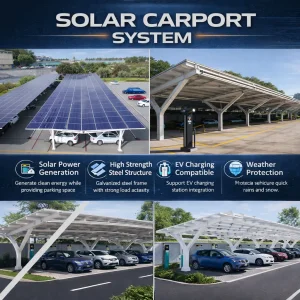
Converting parking lots into energy sources. Our premium solar carports provide robust framing structures, structural waterproofing, and integrated EV chargers, designed to meet local wind and snow load regulations.
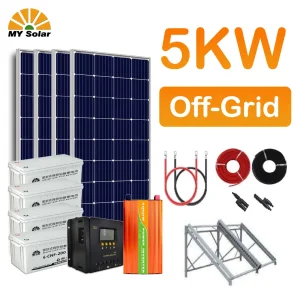
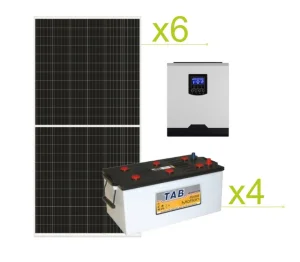
Designed for remote farming operations. We supply complete 5kW solar irrigation setups with integrated pumps, dynamic variable frequency drives, and battery packs, ensuring reliable water supply without grid dependency.
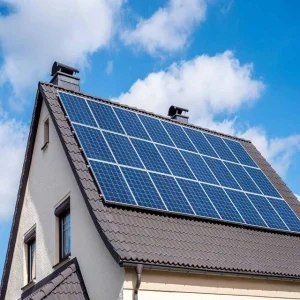
Residential setups require highly efficient layouts. Our home kits (from 5kW to 30kW) feature plug-and-play integrations, quiet operations, and smart MPPT charge controllers to manage power distribution effectively.
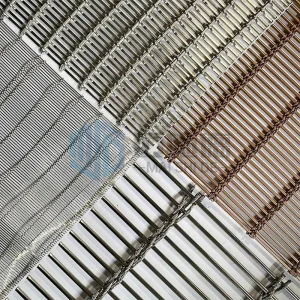
Where roof space is limited, urban solar structures utilize architectural wire mesh cladding. Our customized flexible stainless-steel woven mesh offers structural shading, building security, and integration with architectural PV elements.
Entering international solar markets requires strict adherence to localized safety, quality, and performance regulations. Without correct compliance documentation, installers face project delays, grid-connection rejections, and legal liability. Hangzhou ApexSun Solar Co., Ltd. ensures that all manufactured OEM solar components are designed and tested to meet international standards:
Our mounting configurations and structural systems are engineered to meet standards such as AS/NZS 1170.2 (Australia/New Zealand structural wind actions), Eurocode 1 (EC1 actions on structures), and local wind-load classifications across North America.
All inverters, controllers, and battery systems meet recognized standards. Our electronic parts carry certifications including IEC 62109 (safety of power converters), UL 1741 (inverters and controllers for distributed energy), and CE mark requirements.
Our LiFePO4 battery modules undergo testing according to UN 38.3 (transportation safety), IEC 62619 (safety for industrial lithium systems), and UL 1973, ensuring thermal runaway protection and stable cycle lifespans.
We provide localized engineering document packs, including detailed structural reports, electrical wiring diagrams, and product passports. With carbon tracking mechanisms like the European Union's CBAM (Carbon Border Adjustment Mechanism) taking effect, our raw materials are traceable, offering clear supply chain transparency for our global distribution partners.
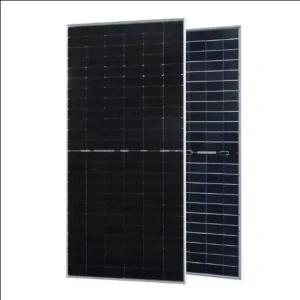
As PV technology evolves toward higher-power N-type cells, Bifacial modules, and high-voltage architectures, the accessories must adapt. Our engineering team focuses on three key technological horizons:
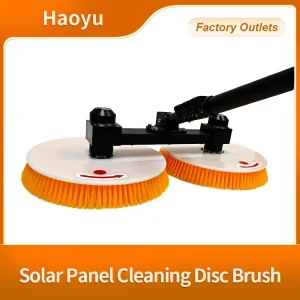
We are incorporating smart sensors and wireless mesh networks into our cleaning systems. Our next-generation cleaning rods and automated brushes track localized dust buildup and schedule cleanings, helping to maintain energy yields while conserving water.
We are researching solid-state batteries and improved thermal designs. By optimizing heat dissipation in lithium iron phosphate (LiFePO4) cabinets, we aim to extend cell lifetimes to 10,000 cycles, reducing total lifetime battery storage costs.
Our upcoming controller designs feature advanced edge-computing microchips. These units monitor real-time grid conditions, execute local load shedding, and enable virtual power plant (VPP) integration for community solar grids.
Explore engineering-focused answers regarding PV accessory optimization, customization, and deployment logistics.
These integrated energy generation solutions, solar microgrids, and architectural systems are manufactured to support green building standards and residential energy independence.
 ApexSun Solar