Analyzing key technological trends defining the next decade of renewable infrastructure, clean energy storage, and efficiency tracking.
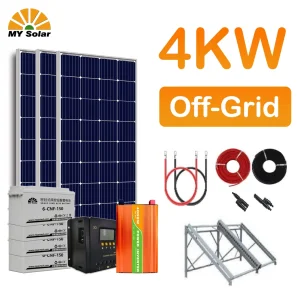
Modern off-grid and hybrid configurations transition rapidly towards artificial-intelligence-assisted Maximum Power Point Tracking (MPPT). This dynamic calculation mitigates shadow losses, optimizes solar charge controllers, and improves seasonal output by up to 28%.
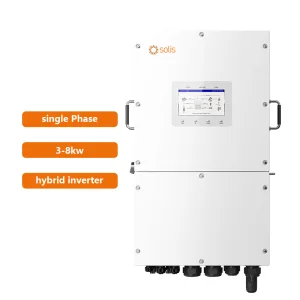
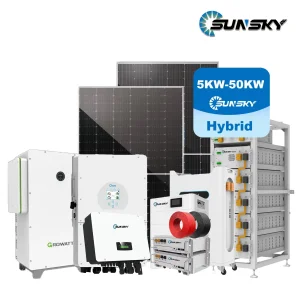
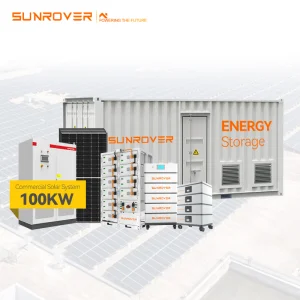
Decentralized grid stability demands high-fidelity hybrid inverters capable of rapid microsecond grid synchronization. Advanced logic controllers balance local storage batteries while managing bi-directional energy flows dynamically to support municipal smart grids.
Global procurement teams prioritize verified CE certifications, including the Low Voltage Directive (LVD) and Electromagnetic Compatibility (EMC) standards. Compliance guarantees long operational life, thermal safety mitigation, and structural reliability.
Procurement teams managing multi-megawatt utility installations face complex logistical, structural, and regulatory environments. Buying decisions depend on documented verification of reliability, durability, and system integration capability.
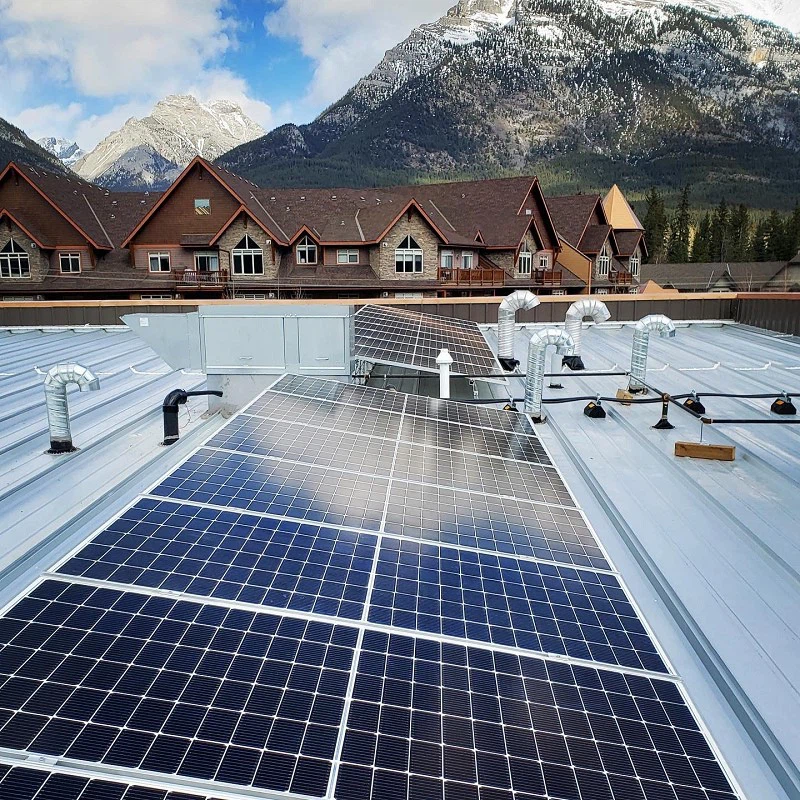
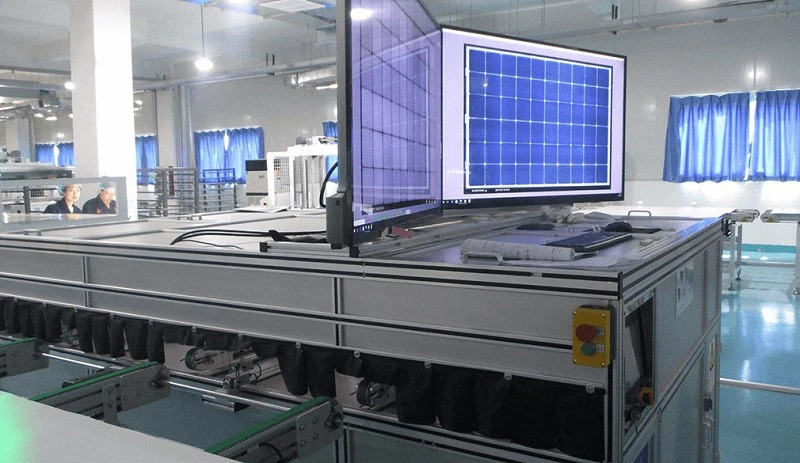
Founded in the early 2000s, Hangzhou ApexSun Solar Co., Ltd. has over 20 years of experience in producing high-quality photovoltaic production equipment. The company started out as a small workshop, specializing in the production of cell string welding machine. Since then, it has grown to become one of the leading manufacturers in the region.
Hangzhou ApexSun Solar Co., Ltd.'s success is attributed to its commitment to excellence, continuous innovation, and a focus on customer satisfaction. The company invests a significant amount of resources in research and development, allowing it to develop more efficient solar production equipment.
Over the years, Hangzhou ApexSun Solar Co., Ltd. has diversified its product to include a wide range of photovoltaic equipment and solar energy systems. The company's products are highly regarded for their performance, durability, and longevity, ensuring customers a reliable production equipment and sustainable source of energy.
Hangzhou ApexSun Solar Co., Ltd.'s growth has not only been limited to its product category but also to its production capacity. The company has expanded its manufacturing facilities to include state-of-the-art production lines and advanced manufacturing technologies. This has allowed Hangzhou ApexSun Solar Co., Ltd. to increase its production capacity while maintaining the high quality standards that have made it a market leader.
Today, Hangzhou ApexSun Solar Co., Ltd. is a well-established and respected player in the solar energy industry. Its products are exported to various countries around the world, and the company has built a strong reputation for its commitment to quality, innovation, and customer satisfaction. With its rich history and continued growth, Hangzhou ApexSun Solar Co., Ltd. remains a leading manufacturer of photovoltaic energy and is committed to promoting the use of renewable energy in the years to come.
How ApexSun integrates architectural engineering, mechanical power transmission, and weather monitoring to deliver optimized system solutions.
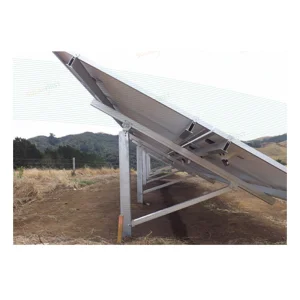
By using real-time GPS coordinate calculations and dual-axis tracking frameworks, panels follow the sun's path continuously. This structure achieves up to 40% higher annual power yields than conventional fixed tilt brackets.
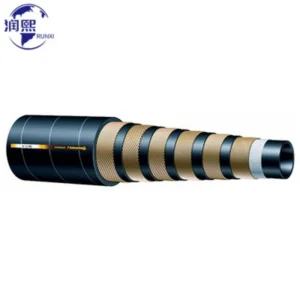
To endure high torsional forces under storm wind conditions, tracking systems require reinforced components. High-pressure hydraulic braided steel hoses (such as SAE 100 R2) operate reliably with the hydraulic cylinders that orient heavy PV arrays.
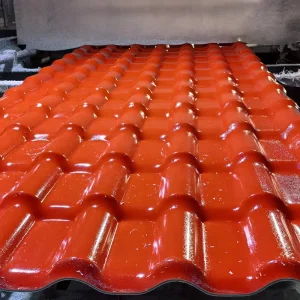
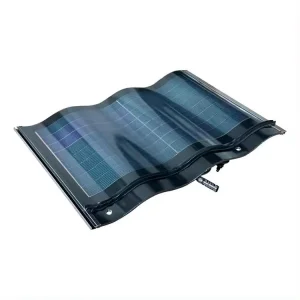
Building Integrated Photovoltaics (BIPV), including arched CIGS solar tiles and building-material-integrated PVC roof sheets, transform structural facades into clean power generation surfaces. This integration reduces balance-of-system cost while retaining high aesthetic value.
Our solar power management products meet the grid connectivity and environmental requirements of diverse regions, supported by engineering services worldwide.
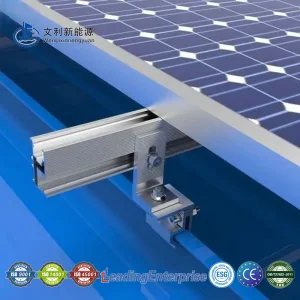
Anti-Dumping & Compliance Audit: To navigate complex international trade tariffs, we offer audited, fully traceable supply chains. Every component is documented, from raw steel and extruded aluminum mounting profiles to silicon wafer processing.
Grid Code Adaptation: Our electronic solar power controllers and inverters can be adjusted to match regional grid codes, including VDE-AR-N 4105, G99, and IEEE 1547. We handle parameters for active power regulation, reactive power control, and dynamic grid support.
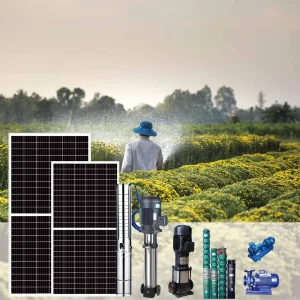
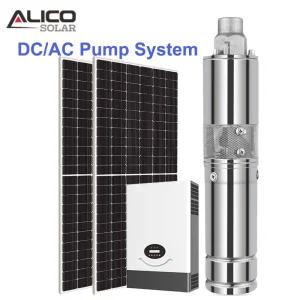
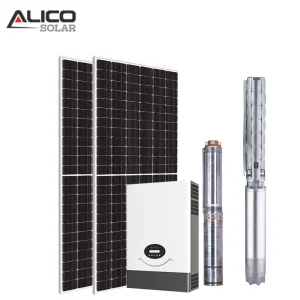
Engineering and Custom Design: Our engineers provide remote and on-site support to optimize structural calculations for wind loads, design customized string layout maps, and help configure water pump controllers for agricultural projects.
At Hangzhou ApexSun Solar, we employ rigorous testing procedures at every stage of production to guarantee long-term performance in the field:
Detailed technical answers for EPC engineers, system integrators, and procurement directors.
 ApexSun Solar