Optimized microgrid components for equatorial climatic conditions, high humidity, and continuous uptime operations.
Equatorial Guinea, situated dynamically along the Gulf of Guinea, presents a unique geopolitical and economic energy landscape. Historically dependent on hydrocarbon extraction, particularly LNG and crude oil reserves centering around Bioko Island (Malabo) and the mainland region of Río Muni (Bata), the country faces a pivotal energy transition. Despite substantial fossil resource production, domestic power distribution systems encounter persistent stability challenges. Heavy reliance on localized, diesel-generator-dependent grids in rural and expanding suburban zones exposes local enterprises to prohibitive operational expenditures driven by fuel logistical bottlenecks and global oil price volatility.
Furthermore, Equatorial Guinea’s environmental mandates, aligned with sustainable developmental parameters, have stimulated interest in renewable integration. Deploying utility-scale and commercial-grade hybrid solar systems emerges as the optimal engineered countermeasure. By pairing high-capacity photovoltaic (PV) generation with cutting-edge lithium iron phosphate (LiFePO4) storage capacity, businesses can establish autonomous microgrids. These systems act as a stabilizing asset, bridging the reliability gaps of public utilities while drastically reducing diesel fuel consumption metrics by up to 85% in critical operational centers across Malabo, Bata, and Oyala.
Standard solar designs fail rapidly within Central Africa’s equatorial belt. Designing equipment for Equatorial Guinea requires specific engineering solutions to mitigate risks associated with high atmospheric humidity (frequently exceeding 85%), persistent cloud cover, high ambient temperatures, and coastal salt mist corrosion.
Deploying specialized C5-M high-durability marine-grade protective coatings on mounting structures and high-performance IP66 electrical enclosures to resist persistent coastal salt mist and high humidity in Malabo and Bata.
Integration of low thermal coefficient mono-PERC crystalline solar cells and active cooling configurations inside smart hybrid inverters to prevent system efficiency drops during equatorial peak noon temperatures.
Incorporation of intelligent Battery Management Systems (BMS) with high C-rate discharging capacities to absorb high transient loads generated by manufacturing facilities and remote extraction machinery.
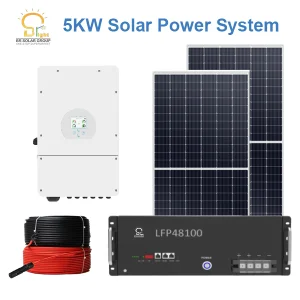
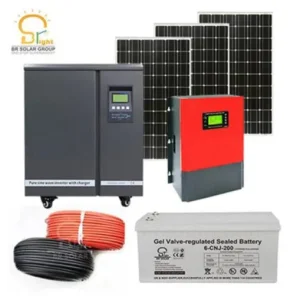
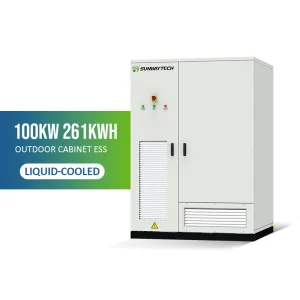
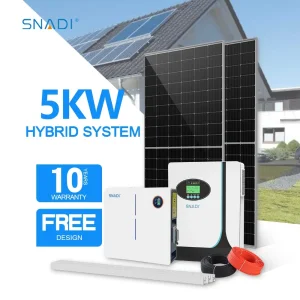
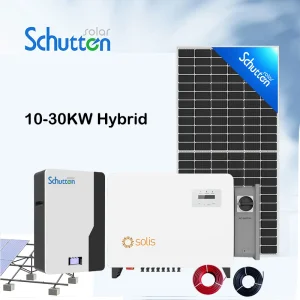
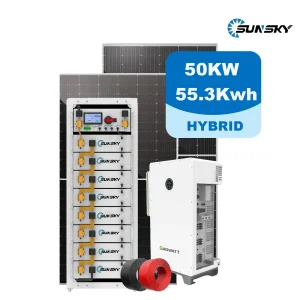
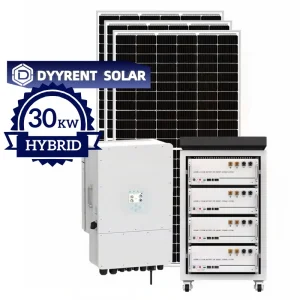
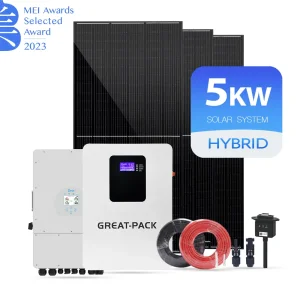
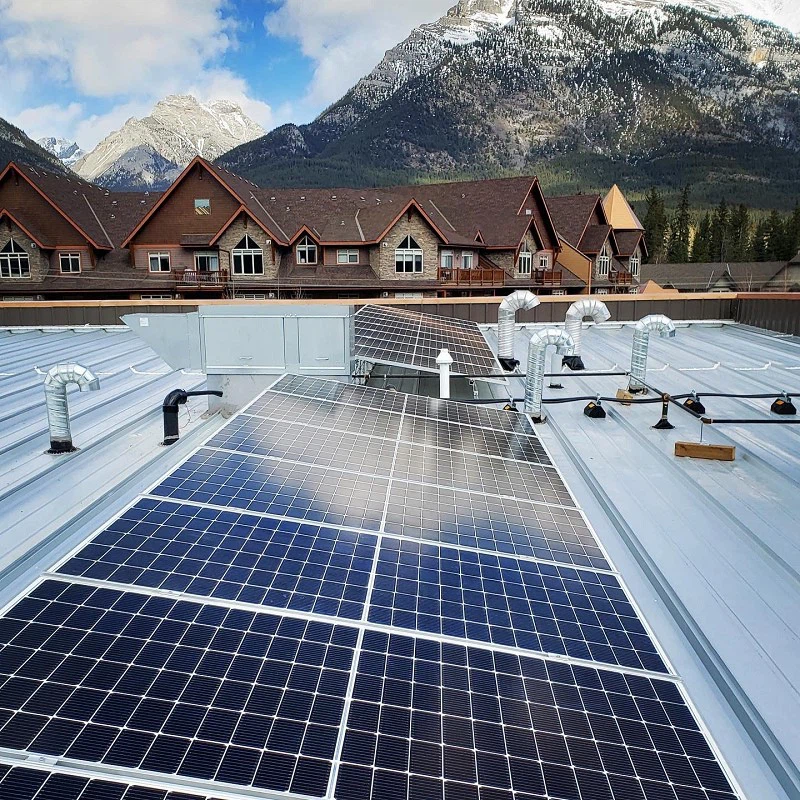
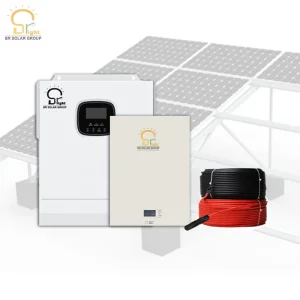
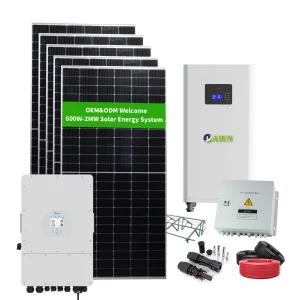
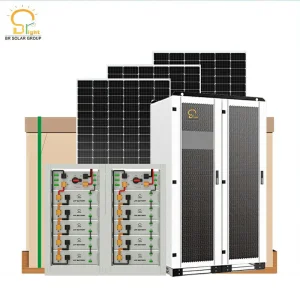
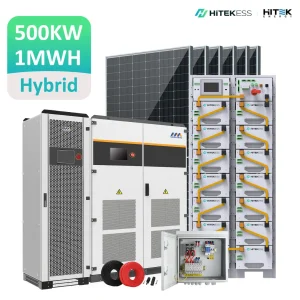
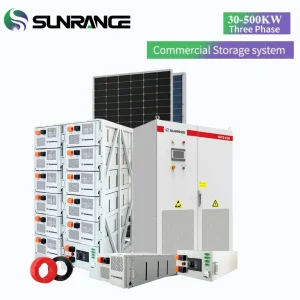
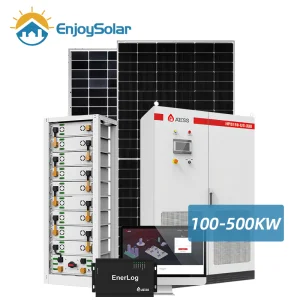
To directly address these demanding environments, Hangzhou ApexSun Solar Co., Ltd. has developed specialized C&I solar systems with protective engineering. The following mid-scale products have been deployed successfully in severe maritime climates and are highly recommended for equatorial installations:
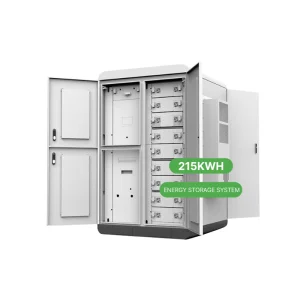
Globally, industrial organizations are rapidly transitioning away from linear utility dependency to decentralized, multi-source hybrid power architectures. Under modern environmental compliance policies and the volatile nature of global fossil fuel supply chains, C&I operators are integrating Energy Storage Systems (ESS) with smart PV networks. This system configuration permits "peak shaving"—charging the battery arrays during hours of low energy tariffs or high solar irradiance, and discharging during peak-demand pricing spikes.
In microgrids deployed within Central Africa, this architecture serves an even more critical role. It operates as the primary frequency regulation mechanism. Industrial equipment, such as heavy refrigeration, timber milling, or oil refinery pumps, creates significant reactive power draw when starting up. A grid configured with only PV modules and diesel generators suffers severe voltage dips during these events. Integrating a high-power hybrid inverter with dynamic lithium battery reserves acts as a virtual synchronous condenser, injecting instantaneous power to stabilize the local network and protect sensitive automated electronics.
| Performance Metric | Legacy Grid + Diesel Gen-Set | ApexSun Hybrid Solar System (LiFePO4) | Industrial Advantage |
|---|---|---|---|
| Levelized Cost of Energy (LCOE) | $0.32 - $0.48 / kWh (Fuel + Maintenance) | $0.07 - $0.12 / kWh (Amortized over lifecycle) | Up to 75% operational cost reduction |
| Grid Reliability / Power Quality | High frequency fluctuation & frequent outages | Pure Sine Wave, stable 50Hz frequency regulation | Protects delicate electrical assets and PLCs |
| Carbon Footprint Index | High local emissions & particulate matter | Near-zero operational emissions | Helps meet ESG goals and carbon standards |
| Lifespan / Durability | Generator overhaul needed every 10k hours | Battery lifespan >6000 cycles (80% DoD) | 15+ years of trouble-free power buffer |
For over two decades, we have engineered automated photovoltaic assembly machinery, establishing our expertise at the core of solar module manufacturing.
Hangzhou ApexSun Solar Co., Ltd. was established in the early 2000s, initiating its industrial journey as a specialized engineering workshop dedicated to the production of high-precision PV cell string welding systems. Over the course of 20+ years of active development, this localized manufacturing venture expanded into a dominant regional producer of automated solar equipment and comprehensive microgrid power stations.
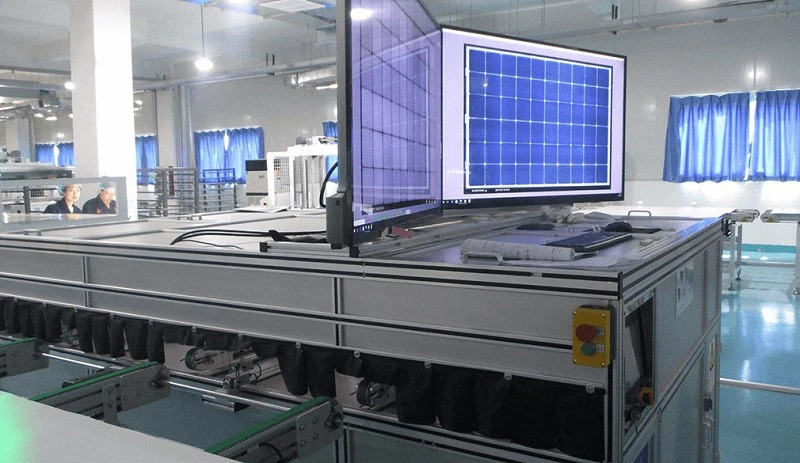
Our long history as a manufacturer of PV manufacturing machinery gives us a unique quality control advantage. We don't just assemble purchased components; we design and run the automated equipment that ensures solar cells are welded without micro-cracks or hotspots—the main causes of panel failure in hot tropical regions like Bata and Malabo.
By investing heavily in continuous R&D and expanding our production capacity with modern assembly automation, ApexSun has scaled its global footprint. Today, we supply complete off-grid, hybrid, and grid-tied solar power architectures worldwide, with specialized export lines tailored for Central Africa's demanding infrastructure requirements.
Every product exported to Equatorial Guinea complies with stringent ISO 9001, CE, and TUV quality benchmarks. This ensures our industrial and residential clients receive robust, long-lasting energy solutions capable of performing under continuous humidity and high thermal stress.
A professional commercial-grade hybrid system combines multiple energy generation and storage technologies into a unified, automated grid. In an configuration deployed in Equatorial Guinea, the system integrates four core technologies: the photovoltaic array, the battery storage bank, the bi-directional hybrid inverter, and an optional diesel generator back-up managed by a Smart Energy Management System (EMS).
Our design uses bi-directional inverters that synchronize directly with external diesel generator sets. When the battery storage falls below a defined depth of discharge (DoD) threshold and solar irradiance is insufficient due to weather conditions, the inverter starts the generator automatically via dry-contact relays. Instead of running the generator at inefficient, low-load rates, our EMS manages load distribution. It runs the generator at its peak fuel efficiency range (typically 80-85% capacity) to simultaneously power the facility and charge the battery bank, shutting the generator down as soon as charging finishes.
Furthermore, our battery chemistry uses Lithium Iron Phosphate (LiFePO4). Compared to legacy lead-acid batteries, LiFePO4 cells offer critical performance advantages:
Importing renewable energy technology into Equatorial Guinea requires careful logistics management and compliance with import regulations. Hangzhou ApexSun Solar Co., Ltd. provides comprehensive export support to streamline the import process at major ports, including the Port of Malabo and the Port of Bata.
We handle all international compliance and quality documentation, coordinating with inspection agencies like SGS, Intertek, or Bureau Veritas to secure the required Certificate of Conformity (CoC) before shipment. Our logistics department assists procurement teams in leveraging local tariff exemptions for renewable energy imports, helping to minimize port clearance delays and customs expenses. Every shipment is packed in export-grade, moisture-proof, vacuum-sealed crates to protect sensitive electronics and battery cells from the marine environment during ocean transit.
Crucial engineering answers for EPC contractors, project managers, and procurement officers planning hybrid installations in Central Africa.
Explore our full line of residential, commercial, and utility-scale solar system configurations engineered for global distribution.
Get in touch with our engineering team for customized load analysis, layout design, and a comprehensive export proposal tailored to your operations in Equatorial Guinea.
Send Inquiry Now ApexSun Solar