ApexSun Solar
Togo Energy Transition: The Case for Hybrid Solar Systems
Togo, strategically positioned as a commercial gateway in West Africa, faces a dual challenge: rapidly growing electricity demand and a heavy reliance on expensive fossil fuel imports and regional power grids. As the country executes its ambitious *National Electrification Strategy (Togo 2025)*, aiming for 100% electricity access through a mix of grid extension and decentralized solar installations, businesses and municipal organizations are turning to high-performance Hybrid Solar Systems.
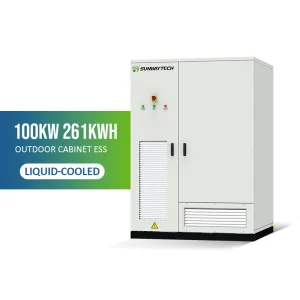
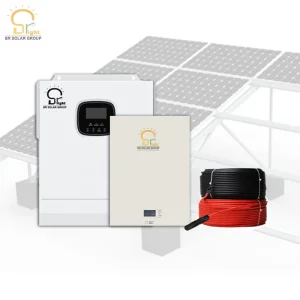
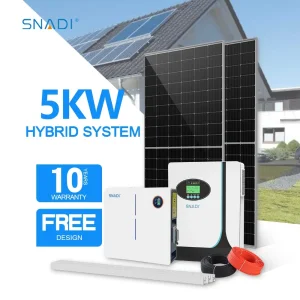
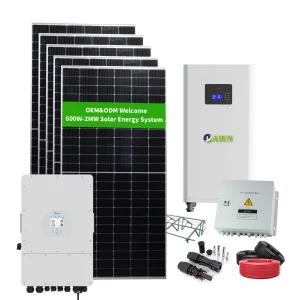
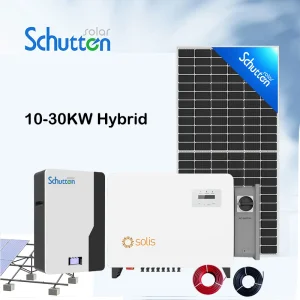
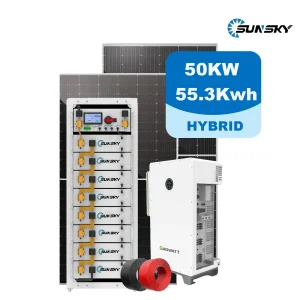
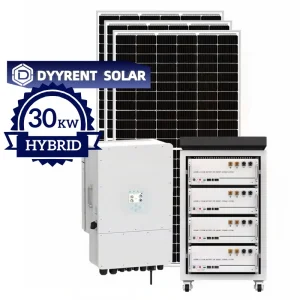
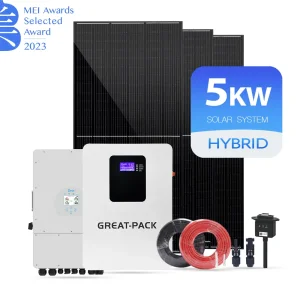
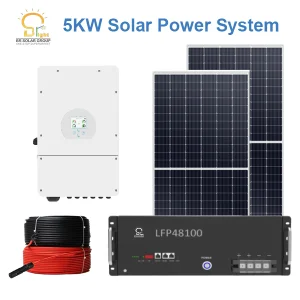
A hybrid solar system—combining photovoltaic generation, dynamic battery energy storage (ESS), and grid/diesel generator integration—presents the ultimate technological solution for Lomé’s commercial hubs and the inland agricultural regions (like Kara and Savanes). This approach mitigates the risks of grid voltage fluctuations, prevents operational downtime, and provides a levelized cost of energy (LCOE) far below diesel generation.
Grid Instability & Diesel Arbitrage in Lomé
Commercial enterprises in Lomé frequently experience brownouts and load-shedding. When the grid fails, standard grid-tied solar systems automatically shut down to prevent islanding, forcing operations to rely entirely on diesel generators. Diesel generation in West Africa is notoriously vulnerable to supply chain bottlenecks and high fuel costs. By implementing a hybrid PV-and-storage setup, commercial users can tap into the "diesel arbitrage" opportunity: prioritizing solar consumption, storing surplus power in high-capacity LiFePO4 batteries, and utilizing grid power or diesel gensets purely as tertiary backup options. This reduces fuel consumption by up to 75%.