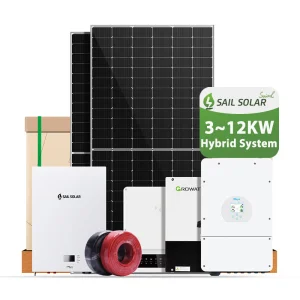
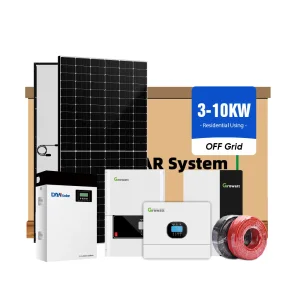
Explore our high-efficiency solar and energy storage systems optimized for the high-salinity, high-temperature coastal realities of Malé and outlying atolls.
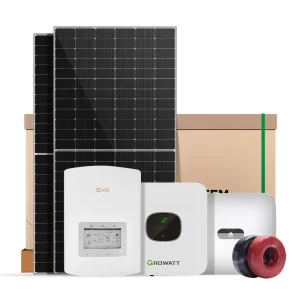
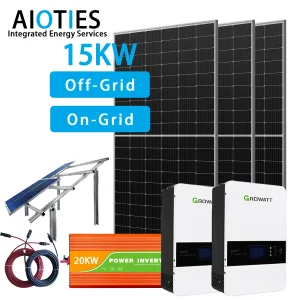
The Maldives presents a unique topographical and geographical layout: over 1,192 coral islands organized into 26 atolls. Traditionally reliant on imported diesel fuel for generators, local inhabited communities, private villas, and high-end luxury resorts face astronomical operating costs. The levelized cost of energy (LCOE) for diesel generators in remote islands ranges between $0.35 and $0.55 per kWh due to additional maritime transportation surcharges. Furthermore, the Maldives government’s pledge to achieve Net-Zero Emissions by 2030 has catalyzed a structural migration towards decentralized residential solar systems coupled with smart energy storage.
Designing residential solar installations for the Maldives requires far more than standard equipment. Extreme maritime environments demand high-reliability system engineering:
When sourcing solar systems for Maldives projects, global developers, contractors, and local partners must prioritize system durability. Below is our engineering roadmap for custom residential solar solutions for the tropical island environment:
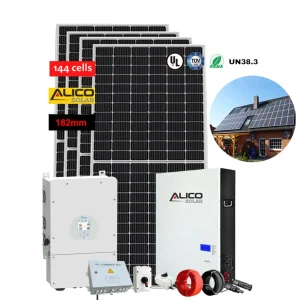
N-Type TOPCon or Heterojunction (HJT) solar panels with dual-glass structure prevent moisture pathing. They provide an industry-leading temperature coefficient (-0.30%/°C), ensuring maximum energy output even in ambient temperatures above 35°C.
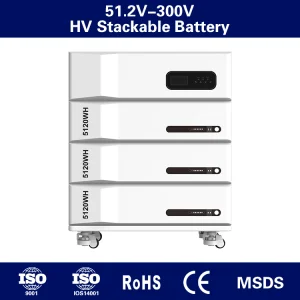
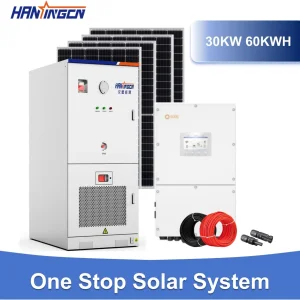
We use Lithium Iron Phosphate (LiFePO4) battery packs, which offer a safe chemistry with a thermal runaway limit of up to 600°C. They feature built-in smart IP65 BMS enclosures that communicate directly with hybrid inverters to optimize peak-shaving and generator integration.
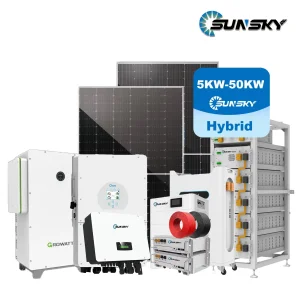
Smart bidirectional inverters coordinate diesel generators and solar arrays. Using built-in dry contacts, our systems automatically start diesel backup only when battery levels drop below 20%, reducing fuel usage by up to 75%.
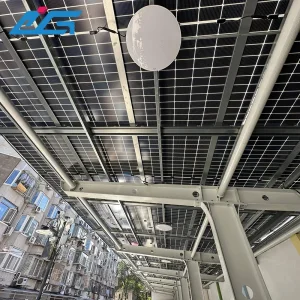
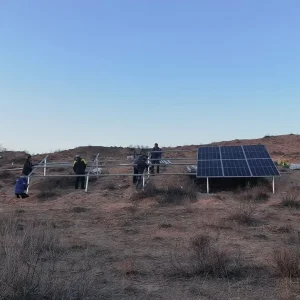
To support full-scale deployment across challenging sites, we supply integrated structures, wind-solar hybrids, and high-density energy storage arrays.
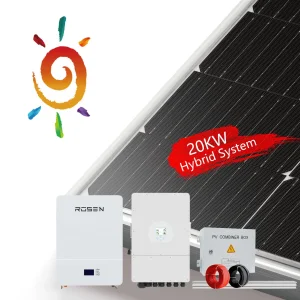
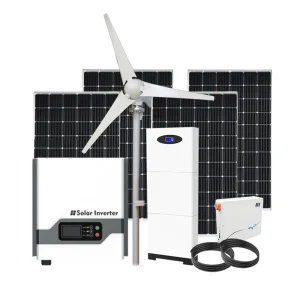
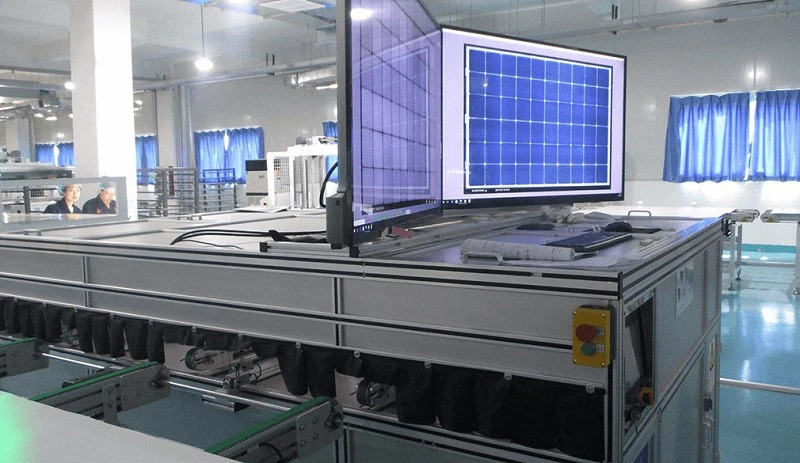
Founded in the early 2000s, Hangzhou ApexSun Solar Co., Ltd. has over 20 years of experience in producing high-quality photovoltaic production equipment and complete solar system integrations. The company started out as a small workshop, specializing in the production of cell string welding machines. Since then, it has grown to become one of the leading manufacturers in the region.
Hangzhou ApexSun Solar Co., Ltd.'s success is attributed to its commitment to excellence, continuous innovation, and a focus on customer satisfaction. The company invests a significant amount of resources in research and development, allowing it to develop more efficient solar production equipment and system architectures.
Over the years, Hangzhou ApexSun Solar Co., Ltd. has diversified its product portfolio to include a wide range of photovoltaic equipment and solar energy systems. The company's products are highly regarded for their performance, durability, and longevity, ensuring customers a reliable production equipment standard and a sustainable source of energy.
Today, Hangzhou ApexSun Solar Co., Ltd. is a well-established and respected player in the global solar energy industry. Its products are exported to various countries around the world, and the company has built a strong reputation for its commitment to quality, innovation, and customer satisfaction. With its rich history and continued growth, Hangzhou ApexSun Solar Co., Ltd. remains a leading manufacturer of photovoltaic energy systems and is committed to promoting the use of renewable energy in the Maldives and globally in the years to come.
Logistical and installation constraints are major challenges for solar deployments in the Maldives. Because solar hardware must be transported by sea freight and small vessels to remote atolls, transport limits can slow down project timelines. Hangzhou ApexSun Solar Co., Ltd. offers a complete solution optimized for island locations:
All residential and commercial system packages are crated in seaworthy, heavy-duty plywood packaging. Components are pre-sorted and labeled to allow easy unloading and assembly on islands without heavy machinery.
To address the shortage of certified electrical engineers on remote atolls, our systems feature pre-wired AC/DC distribution boxes and quick-connect plug-and-play ports to minimize setup errors.
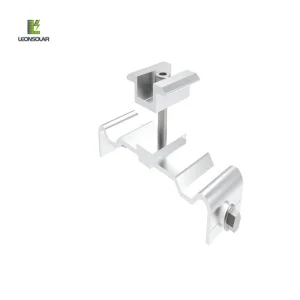
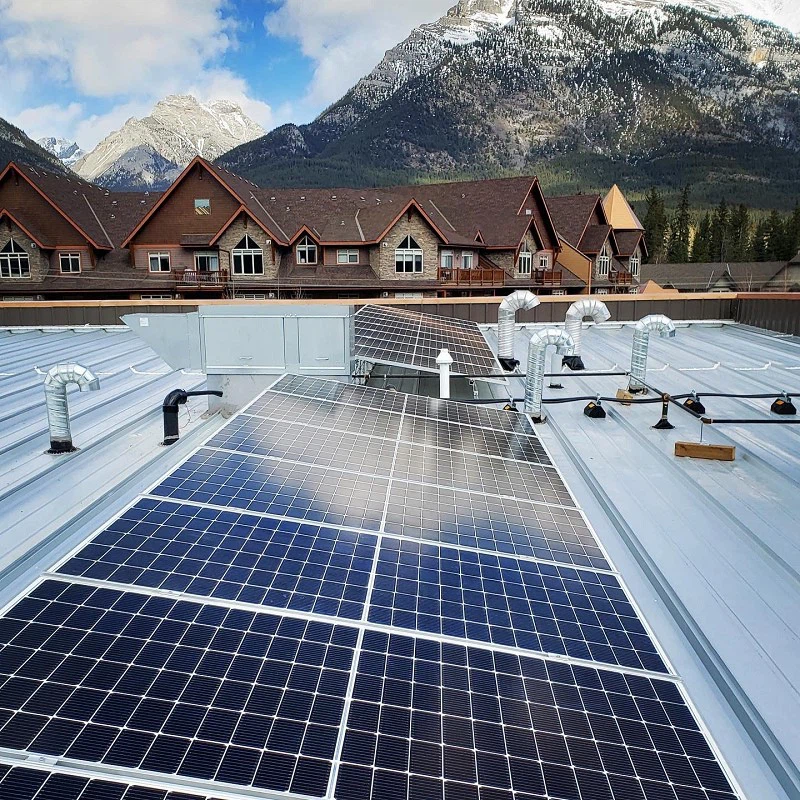
Coral sand concrete roofs require non-penetrative mounting options to prevent leaks during heavy rains. We design wind-tunnel-tested, high-density ballasted racking systems to protect rooftops.
Select from our complete range of certified residential solar setups, manufactured to rigorous international standards and optimized for long life in hot, humid climates.
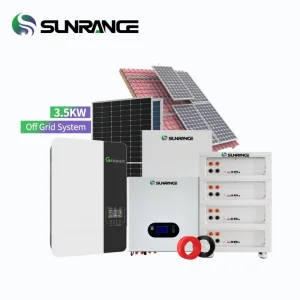
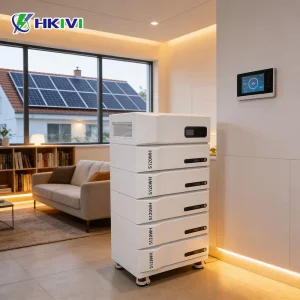
Get answers to common technical and structural questions about operating solar and storage systems in remote marine settings.
We apply specialized marine-grade protection across all hardware: 1) Structural mounts are made from AL6005-T5 aluminum with anodized layers over 15 microns thick, or hot-dip galvanized steel with layers over 80 microns thick. 2) System enclosures feature C5-M level anti-corrosion powders. 3) Electrical contacts are sealed in IP65 or IP67 enclosures to keep out humid, salt-rich air.
Yes. Our hybrid inverters use intelligent communication protocols to sync with existing diesel generators. The system runs on solar and battery storage first. If the battery charge drops or solar output decreases during overcast weather, the inverter signals the generator to start and balance the load.
Lithium Iron Phosphate (LiFePO4) offers significant advantages for island setups: 1) A footprint up to 70% smaller than lead-acid batteries, saving valuable space. 2) A long life cycle of over 6,000 cycles at 80% DOD, compared to only 1,500 cycles for lead-acid. 3) High thermal stability that functions safely in tropical temperatures without needing active air conditioning.
Our solar mounting setups are designed and tested to withstand wind speeds up to 60 m/s. This structural rating complies with AS/NZS 1170 and Eurocode 1 standards, ensuring systems remain secure during monsoon storms.
We export globally via FOB/CIF shipping. Our team packages equipment in rugged, moisture-proof wooden crates designed to protect systems during maritime transport. This allows for safe transfer from major ports like Malé to smaller dhoni boats for local island delivery.
Contact our applications engineering division to get custom system layouts, structural wind calculations, and project quotes tailored for resort, residential, or commercial installations.
 ApexSun Solar