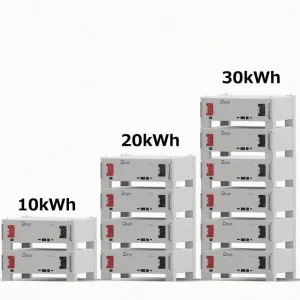
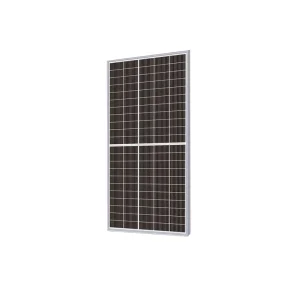
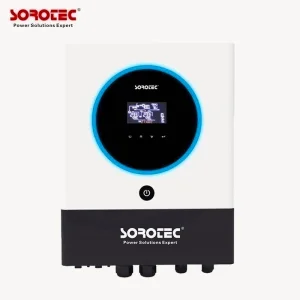
Pre-engineered hardware components designed to solve microgrid volatility and maximize PV efficiency under coastal conditions.
The Republic of Seychelles, an archipelago of 115 islands in the western Indian Ocean, faces a unique energy trilemma: high generation costs, geographic isolation, and severe environmental vulnerability. Currently, the utility grid managed by the Public Utilities Corporation (PUC) relies heavily on imported Heavy Fuel Oil (HFO) and diesel to generate electricity on main islands like Mahé, Praslin, and La Digue. This reliance exposes the nation's economy to global oil market shocks and challenges the environmental values of its tourism-dependent economy.
Developing Smart Solar Grid Integration is not just a carbon-reduction strategy—it is a critical economic imperative. High-density solar photovoltaics integrated with smart battery storage (BESS) allow remote island resorts (such as those in Alphonse or Desroches) and coastal commercial hubs to decouple from diesel generators. However, integrating massive solar arrays into localized island grids requires advanced technical architectures to maintain voltage levels and manage grid stability during sudden cloud transients.
Globally, the solar industry has transitioned from simple net-metered grid injection to complex, active energy management. Modern commercial and industrial (C&I) solar applications increasingly incorporate "grid-forming" inverters rather than traditional "grid-following" designs. Grid-forming technology allows battery converters to establish voltage and frequency benchmarks, acting as a virtual synchronous machine to stabilize weak grids.
Additionally, the integration of IoT sensors and cloud-based energy management systems (EMS) enables real-time predictive analytics. Operators can anticipate load spikes, track real-time battery degradation parameters via internal resistance modeling, and optimize battery charge/discharge cycles based on solar forecasting models. For Seychelles developers, choosing high-performance components backed by modern cloud communication frameworks means their systems remain future-proof and compatible with future Virtual Power Plant (VPP) infrastructures.
Around the world, island grids and remote communities are leading this deployment. Standardized 20-foot and 40-foot containerized BESS configurations (often ranging from 1MWh to over 5MWh) are now standard for municipal-scale peak shaving and frequency regulation. By deploying pre-configured systems, project owners minimize on-site civil works, reduce local electrical commissioning errors, and lower the overall Levelized Cost of Storage (LCOS).
In response to these trends, our R&D teams have optimized our entire microgrid product portfolio to support advanced communication protocols, including Modbus TCP/RTU, RS485, and CAN-bus, ensuring seamless coordination between diesel gensets, solar systems, and battery storage units.
Over 20 years of dedication to solar component manufacturing excellence, engineering advanced microgrids for global markets.
Founded in the early 2000s, Hangzhou ApexSun Solar Co., Ltd. has over 20 years of experience in producing high-quality photovoltaic production equipment. The company started out as a small workshop, specializing in the production of cell string welding machine. Since then, it has grown to become one of the leading manufacturers in the region.
Hangzhou ApexSun Solar Co., Ltd.'s success is attributed to its commitment to excellence, continuous innovation, and a focus on customer satisfaction. The company invests a significant amount of resources in research and development, allowing it to develop more efficient solar production equipment.
Over the years, Hangzhou ApexSun Solar Co., Ltd. has diversified its product to include a wide range of photovoltaic equipment and solar energy systems. The company's products are highly regarded for their performance, durability, and longevity, ensuring customers a reliable production equipment and sustainable source of energy.
Today, Hangzhou ApexSun Solar Co., Ltd. is a well-established and respected player in the solar energy industry. Its products are exported to various countries around the world, and the company has built a strong reputation for its commitment to quality, innovation, and customer satisfaction. With its rich history and continued growth, Hangzhou ApexSun Solar Co., Ltd. remains a leading manufacturer of photovoltaic energy and is committed to promoting the use of renewable energy in the years to come.
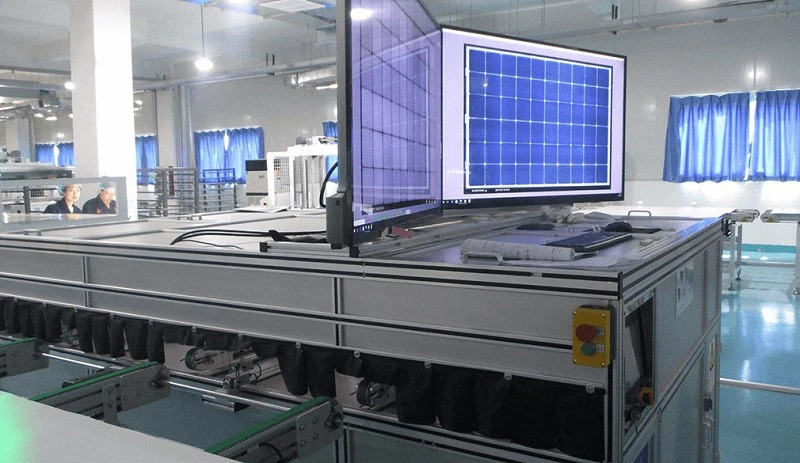
By scaling up production and adopting manufacturing technologies like automatic robotic stringing, optical alignment, and high-frequency induction welding, we guarantee that every solar panel and system component shipped to Seychelles meets rigorous quality control standards, ensuring decades of performance in high-humidity, high-salinity island environments.
Deploy our marine-tested hybrid components to ensure continuous power generation and reliable distribution across island networks.
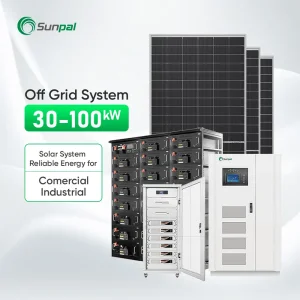
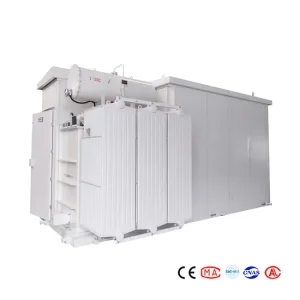
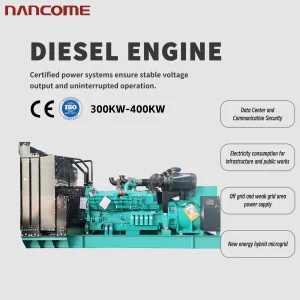
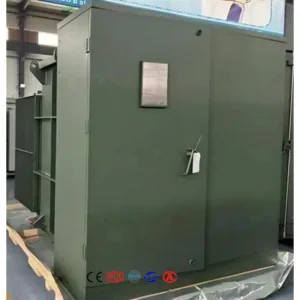
1. Eco-Resort Off-Grid Microgrids
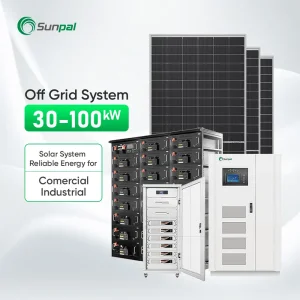
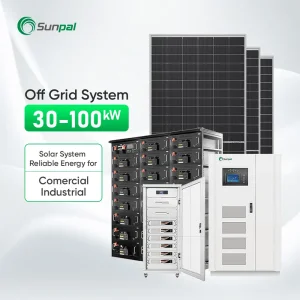
Seychelles' outer islands rely on eco-tourism. Utilizing diesel generators ruins the natural atmosphere. A hybrid solar PV plus LiFePO4 battery storage microgrid replaces diesel for base load power. By using smart solar pump inverters, resorts can automate their water supply and irrigation systems during high solar yield hours, reducing battery utilization and improving overall efficiency.
2. Municipal Peak Shaving
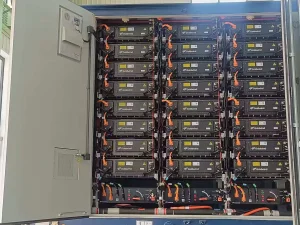
On Mahé, peak electricity demand aligns with resort air-conditioning use in the afternoon. Integrated containerized systems (like our 5.015MWh CE-certified battery container) manage peak demands, reducing strain on PUC's thermal generators and avoiding voltage sags across long distribution cables.
3. Heavy-Duty Coastal Infrastructures
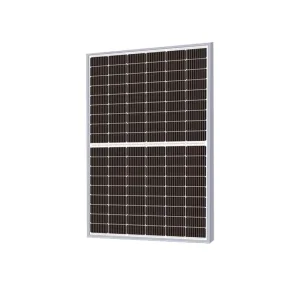
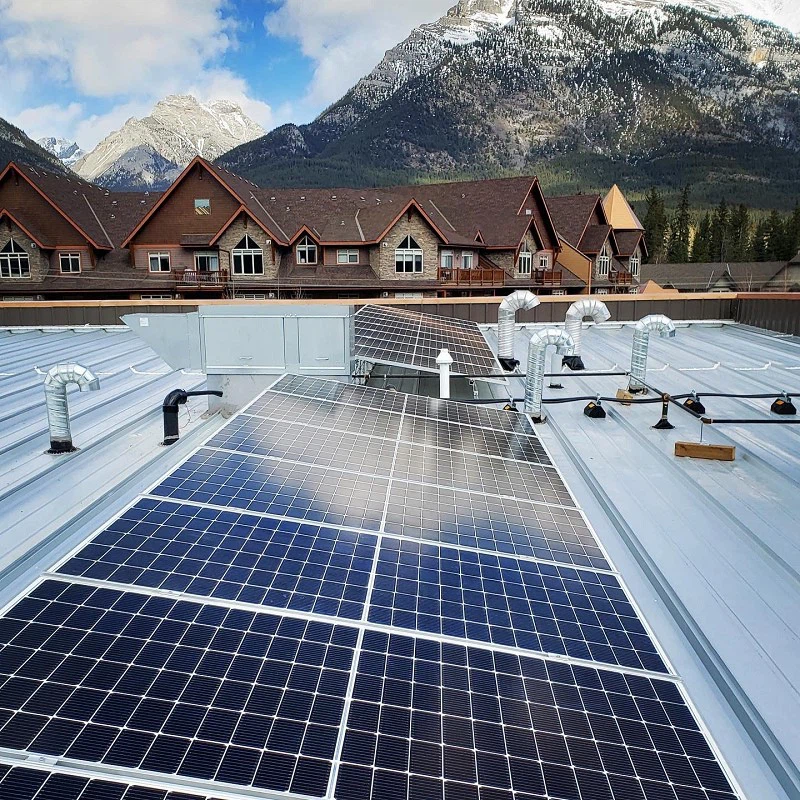
Solar arrays near the shore face constant salt spray. ApexSun's N-type dual-glass bifacial panels feature marine-grade anodized aluminum frames and encapsulants that resist salt-induced corrosion and Potential Induced Degradation (PID).
Designing microgrids for Seychelles requires addressing challenges like seawater corrosion and high relative humidity (often exceeding 85%). Standard PV equipment fails rapidly under these conditions due to electrochemical corrosion and internal moisture ingress. Component housings must achieve minimum ingress protection levels of IP65 for standard electrical enclosures and IP67 for junction boxes.
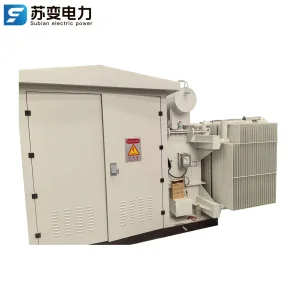
Our engineering standards feature specialized anti-corrosive coatings for distribution transformers (both 1000kVA and 3000kVA models). Transformers deployed in Victoria or Providence must resist salt accumulation on their cooling fins. Our standard marine-grade radiators utilize hot-dip galvanized steel with C5-M high-durability polyurethane paints, guaranteeing a system lifespan of over 25 years without structural failures.
For solar panels, we rely on double-paned glass architecture rather than traditional backsheet panels. This design provides structural protection against moisture penetration and enhances mechanical strength to withstand cyclonic wind pressures common in the southwest Indian Ocean.
A phased implementation framework designed to upgrade isolated island power networks into reliable, modern digital grids.
Hybrid Solar-Diesel Optimization
BESS Decentralization
VPP & Smart Dispatching
Explore our specialized range of high-capacity storage modules and high-wattage monocrystalline solar arrays.
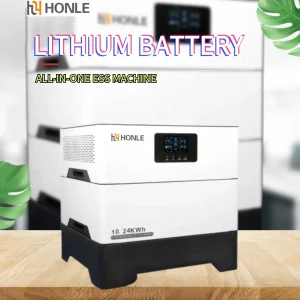
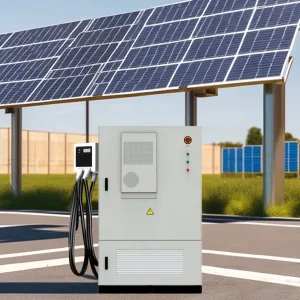
Detailed technical answers for EPC engineers, utility managers, and project developers in the Seychelles region.
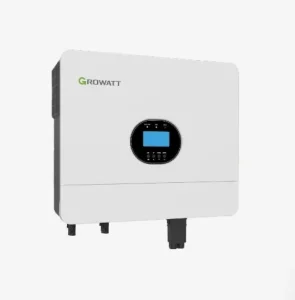
We integrate fast-responding Battery Energy Storage Systems (BESS) equipped with grid-forming hybrid inverters. When cloud cover suddenly reduces solar PV output, our EMS detects the frequency change and commands the BESS to discharge within milliseconds. This supports spinning reserves, prevents voltage dropouts, and avoids triggering municipal blackout protections.
Yes. Our solar panels feature dual-pane tempered glass, which prevents moisture from reaching the solar cells, and marine-grade anodized aluminum frames. Our distribution transformers (1000kVA/3000kVA) use special C5-M class anti-corrosive coatings and stainless steel hardware to resist salt spray and high relative humidity in coastal areas.
Yes. Our integration platform supports smart control communication with diesel gensets (such as the Nancome 400kW generator). The controller monitors load demands in real time, running the diesel generator at its peak fuel efficiency curve while using solar energy and battery storage to cover load fluctuations.
Our lithium battery banks (like the Deye 51.2V 100Ah LiFePO4 packs) support RS485 and CAN-bus communication. This allows operators to integrate battery metrics (voltage, temperature, State of Charge, State of Health) with SCADA systems or cloud-based IoT management dashboards.
Yes. Our smart grid solutions and distribution transformers comply with IEEE 1547 and CE grid-connection standards, meeting PUC's requirements for anti-islanding protection, power factor control, and harmonic limits (THD < 3%).
With N-type monocrystalline solar cells, PID-resistant materials, IP65+ enclosures, and C5-M marine-grade paint finishes, our integrated systems are designed to operate for over 25 years. We also provide diagnostic maintenance frameworks via IoT integration for early component troubleshooting.
Connect with our senior engineering team to design a marine-grade, high-reliability solar energy storage and grid integration solution tailored for your commercial project, resort, or utility infrastructure in Seychelles.
 ApexSun Solar