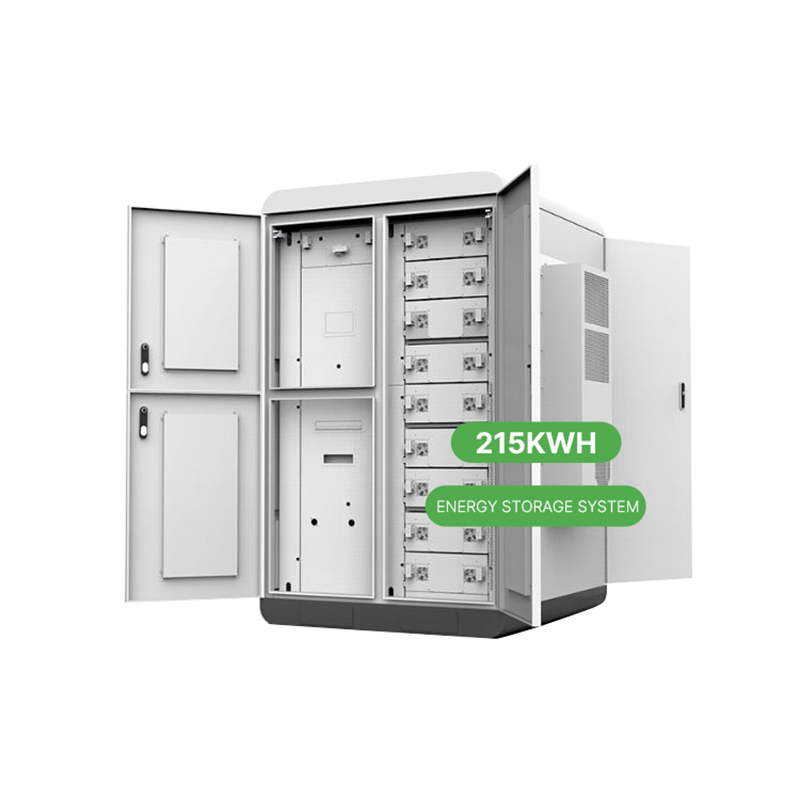
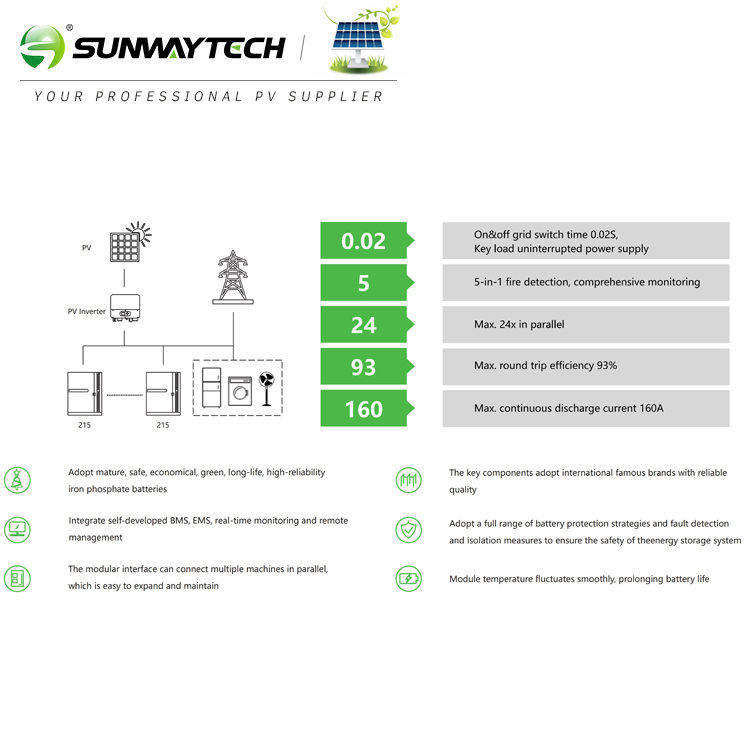
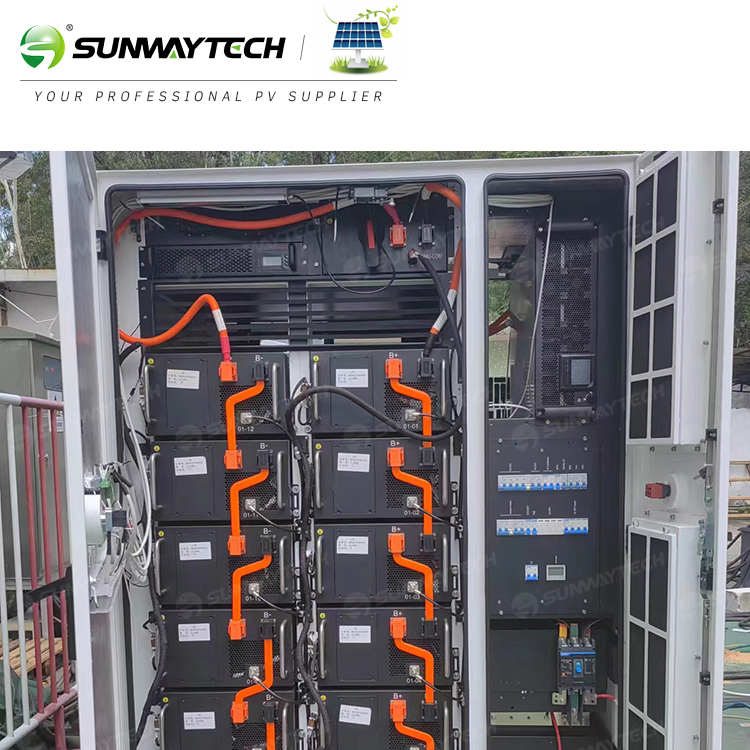
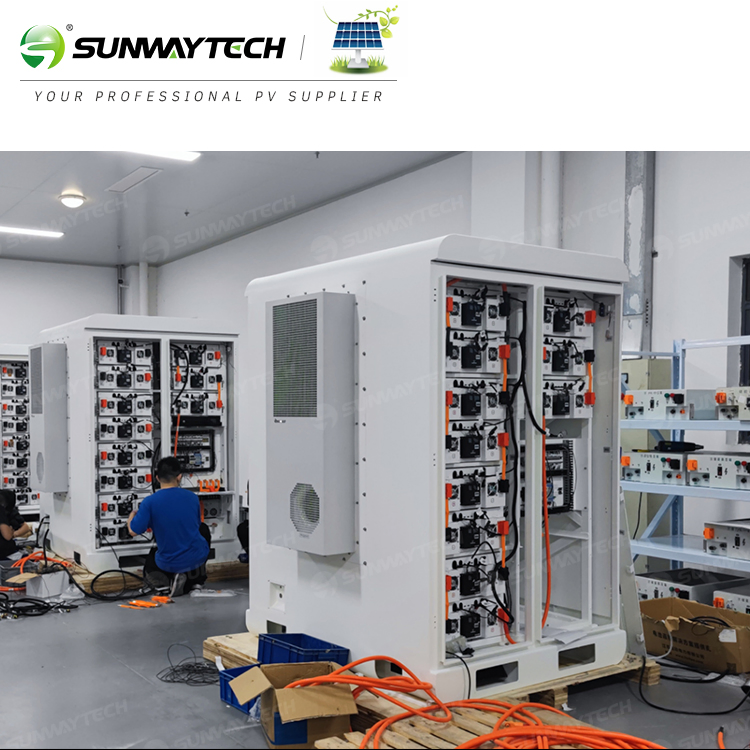
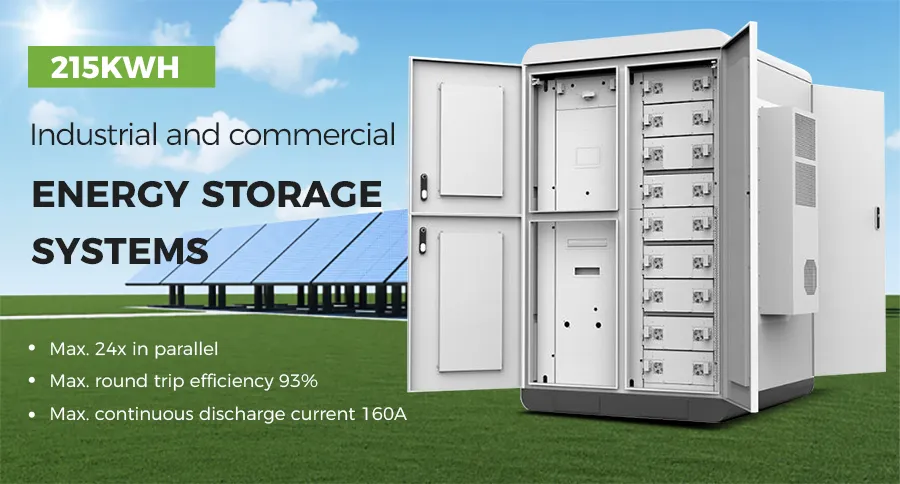
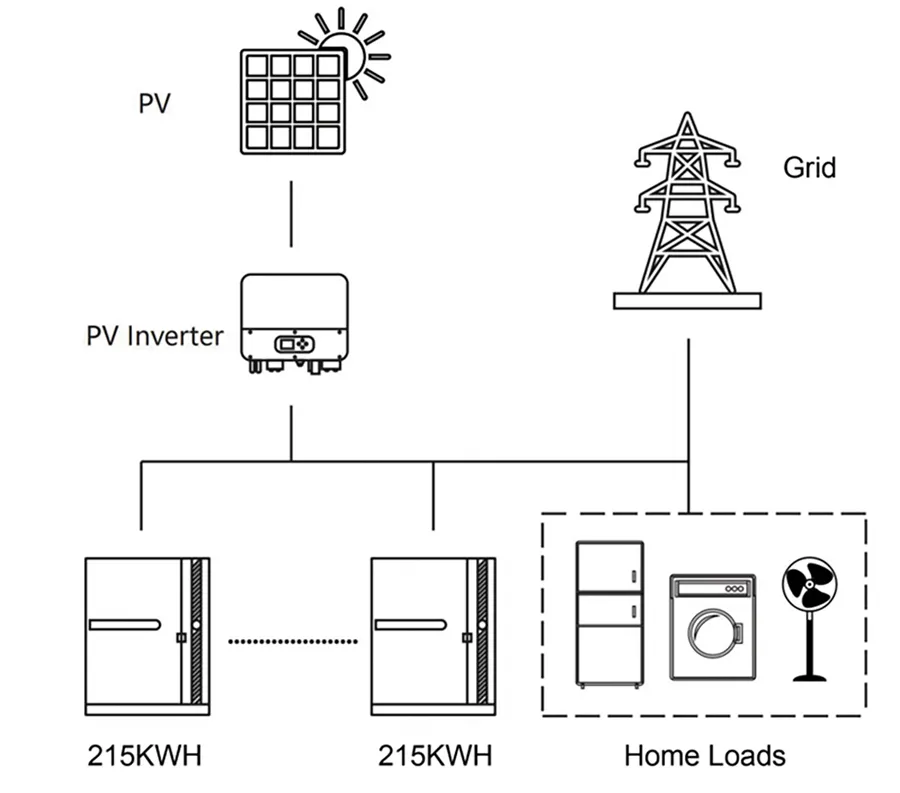
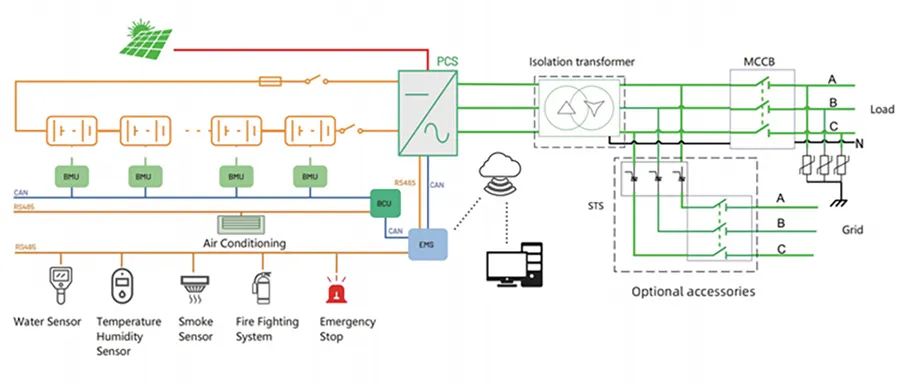
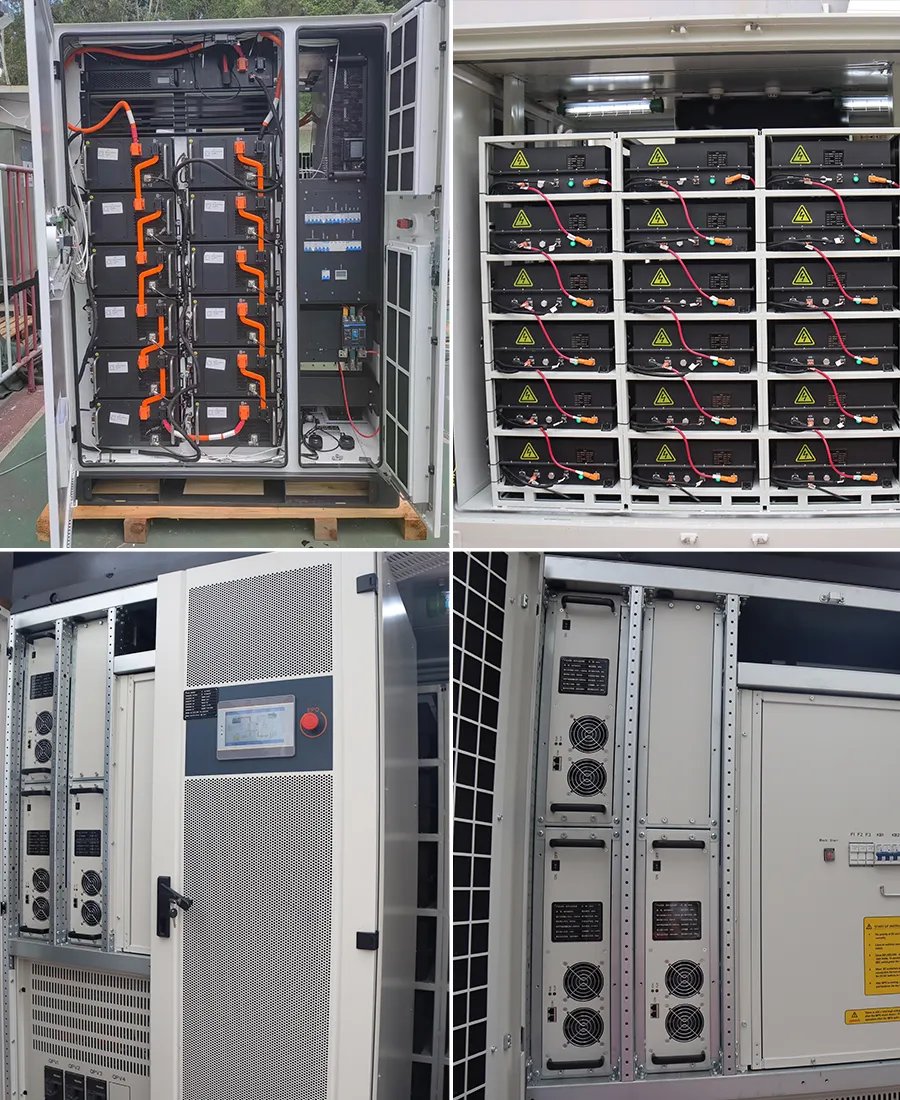
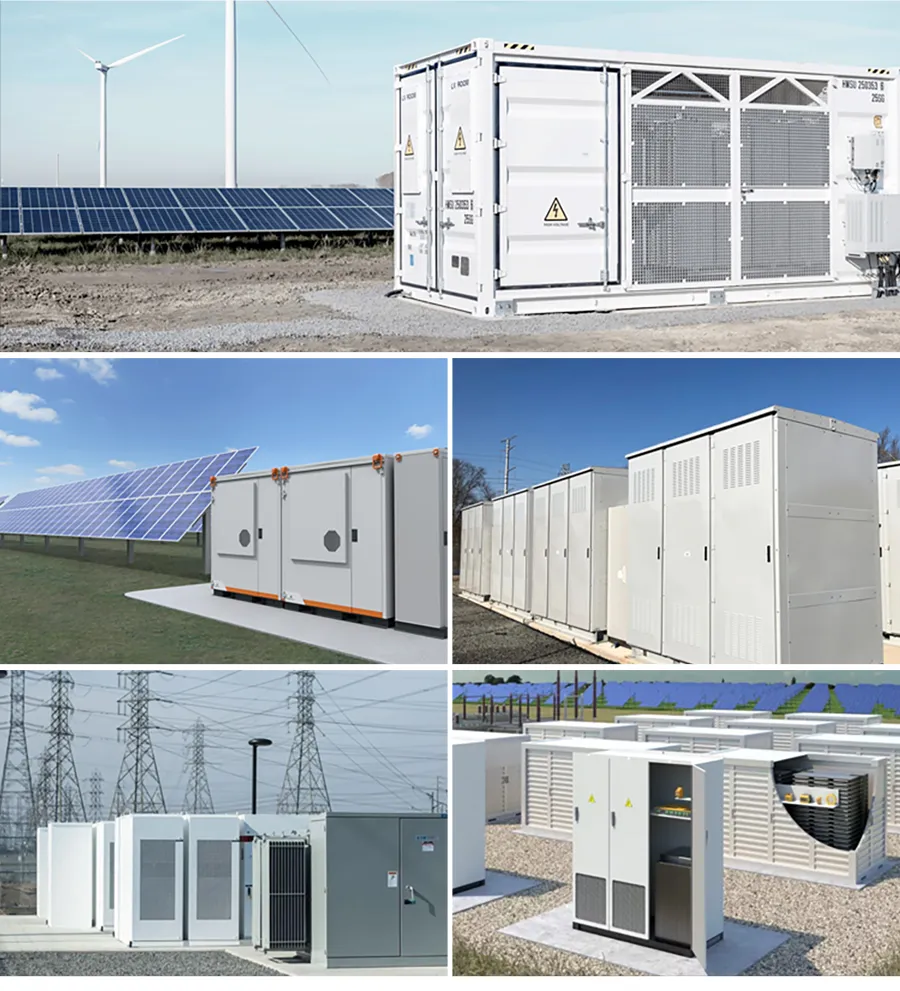
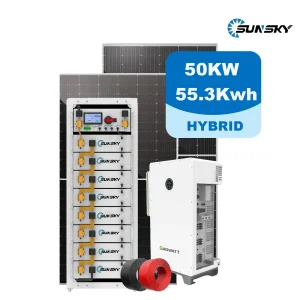
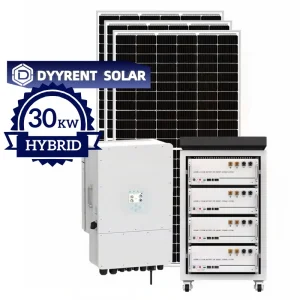
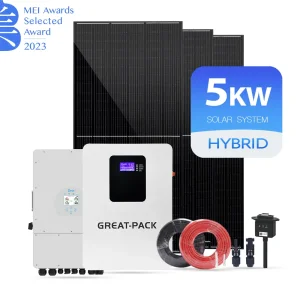
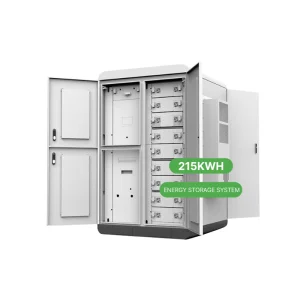
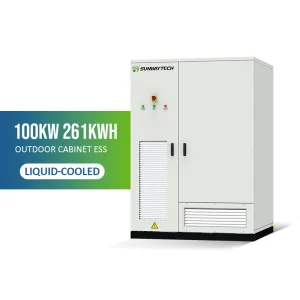
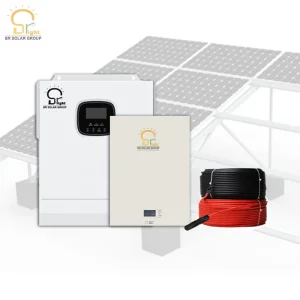
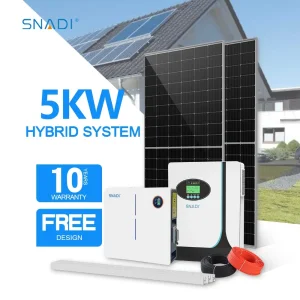
The 215 commercial & industrial energy storage system adopts the all in one design concept. The cabinet is integrated with battery management system (BMS), energy management system (EMS), modular power conversion system (PCS), and fire protection system. The system's capacity is up to 215 kwh and the power is up to 100 kw. The modular design allows for flexible expansion, adapting to various scenarios such as power expansion, backup power supply, and black start (The ability to restore power without relying on the help of other networks after the power system is out of service due to a fault).
Grid Connection
Hybrid Grid
Package Size
500.00cm * 500.00cm * 300.00cm
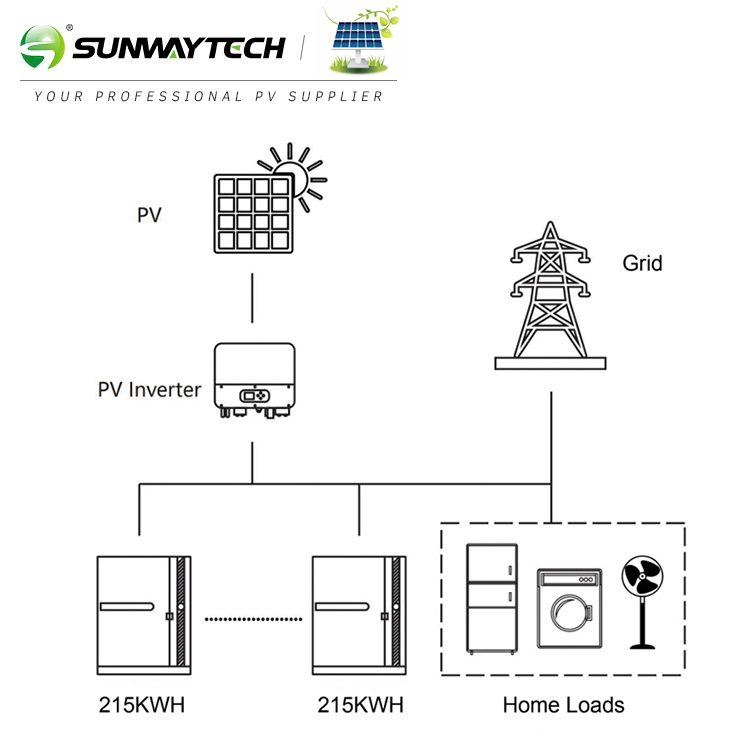
A commercial energy storage system works by storing excess energy generated by the solar panels during the day. This stored energy can be used at night or during cloudy weather. The power conditioning system (PCS) converts direct current (DC) into alternating current (AC). The isolation transformer ensures safety and grid compliance, while the MCB connects the system to the grid and load.
Frequently Asked Questions
What is the total capacity of this storage system?
The system provides a rated battery capacity of 215kWh with a rated power output of 100kW.
How long is the expected cycle life of the batteries?
The system uses high-quality lithium-ion technology ensuring a cycle life of over 8,000 cycles at 80% End of Life (EOL).
What kind of fire protection is integrated into the cabinet?
The unit is equipped with a professional Perfluorohexanone fire fighting system for maximum safety.
Is this system suitable for outdoor installation?
Yes, the cabinet features an IP55 enclosure protection rating, making it suitable for various environmental conditions.
How is the temperature regulated within the system?
The system utilizes integrated industrial air conditioning for active cooling strategy to maintain optimal operating temperatures.
What communication protocols does the system support?
It supports standard industrial protocols including Modbus RTU, Modbus TCP, and IEC 104 via RS485 and Ethernet interfaces.
 ApexSun Solar