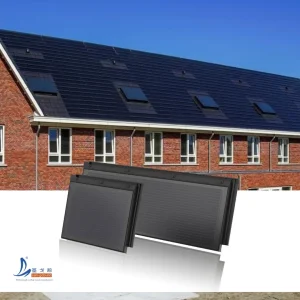
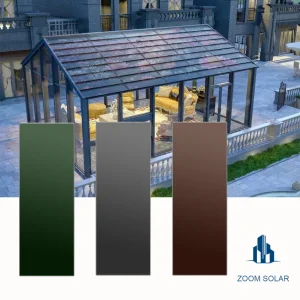
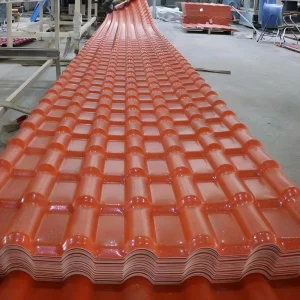
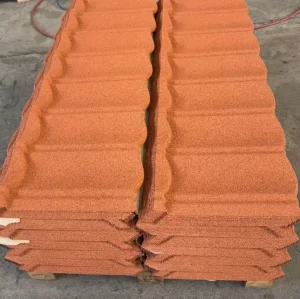
Good Price Europe Household Solar Energy System Solar Panels Roof Tiles

Still deciding? Get samples of $ !
Order Sample

Product Description

📊

Basic Information

Model NO.
Solar Tile
Number of Cells
2*12
Application
Rooftop, Commercial/Residential
Condition
New
Certification
ISO, CE, IEC, Mcs, CCC
Material
Monocrystalline Silicon
Transmittance
92%
Glass Thickness
3.2mm
Panel Efficiency
18.4%
Advantage
Clean Energy
Type
Perc, Half Cell, Bifacial, Double-Glass, All Black
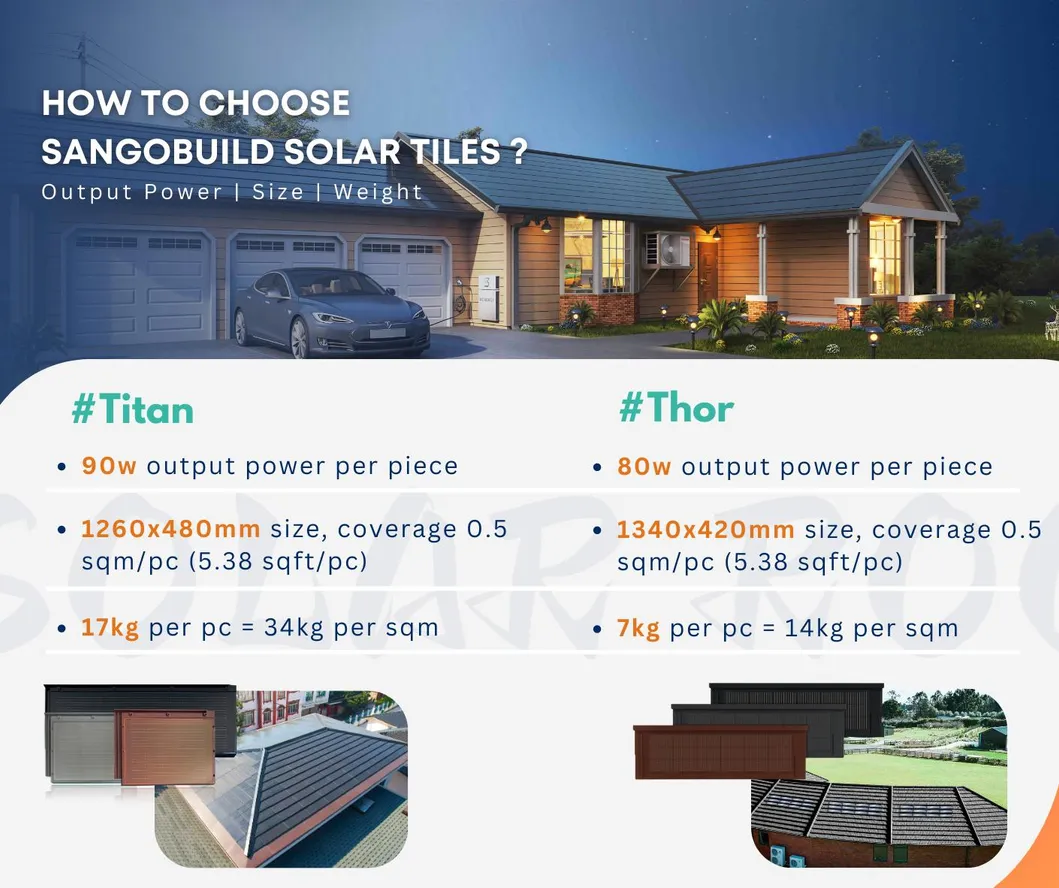
Weight Per Tile
16.5kg / 9kg
Row Material
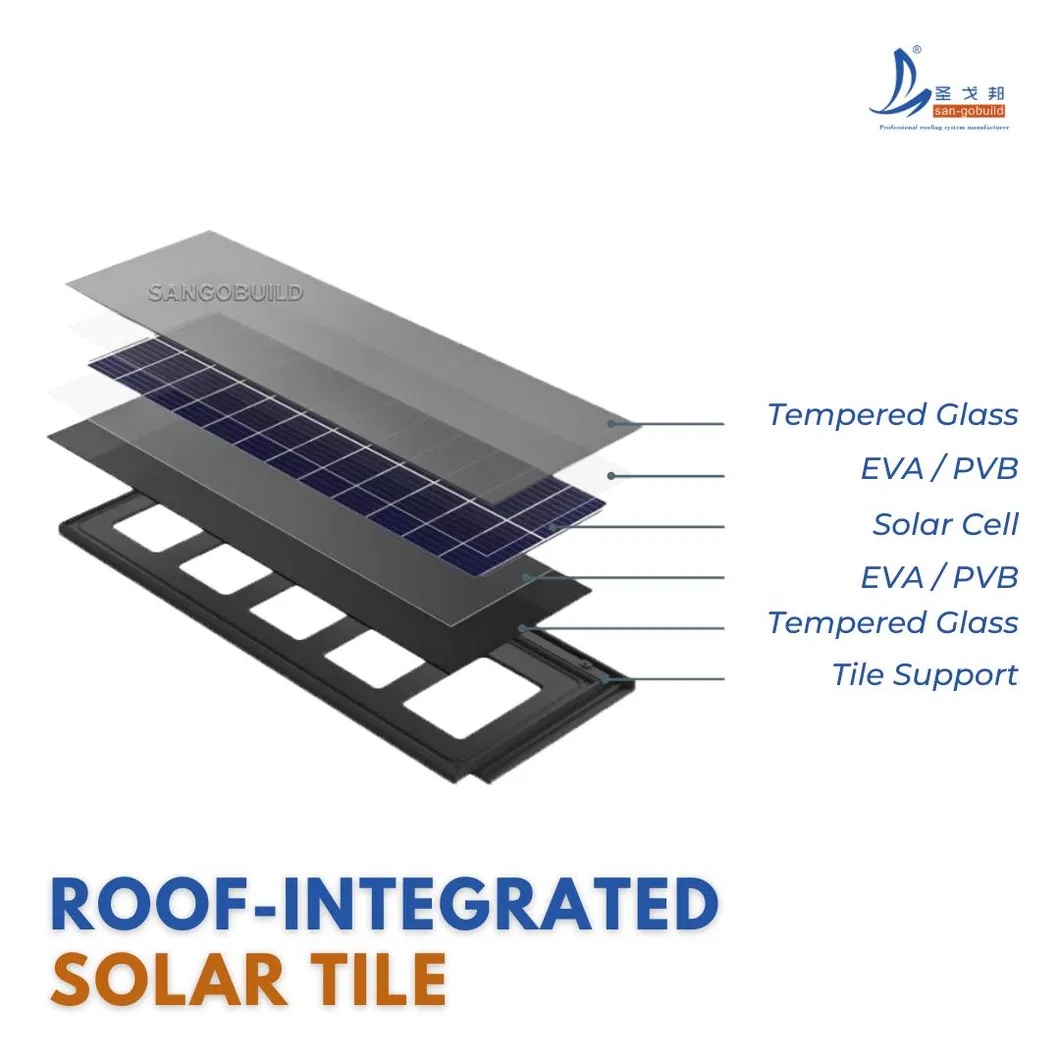
Tempered Glass, PVB/EVA/Pob, Solar Cell
Main Market
Europe, Australia, Middle East
Specification
1260*480mm / 630*480mm
💡

Product Description

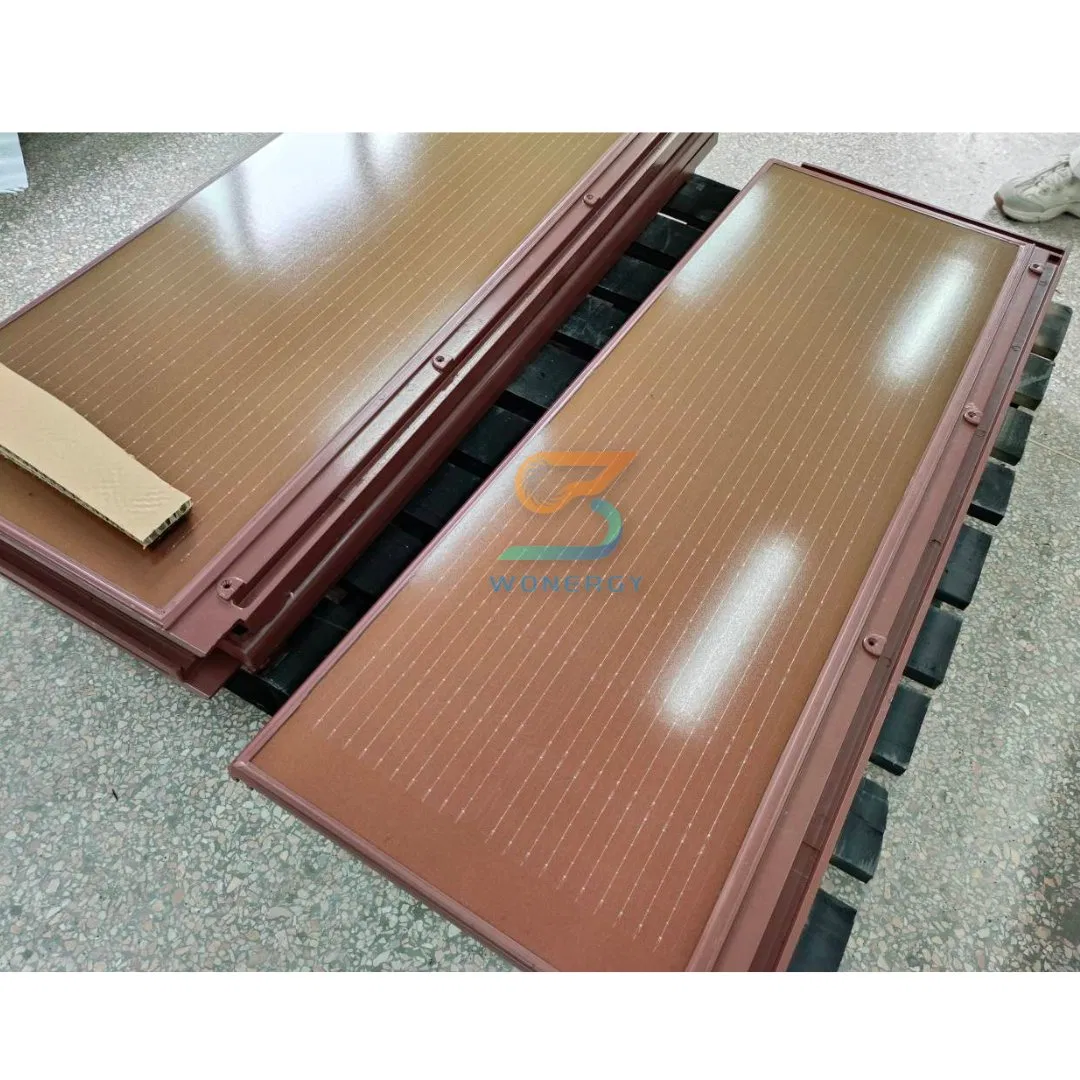
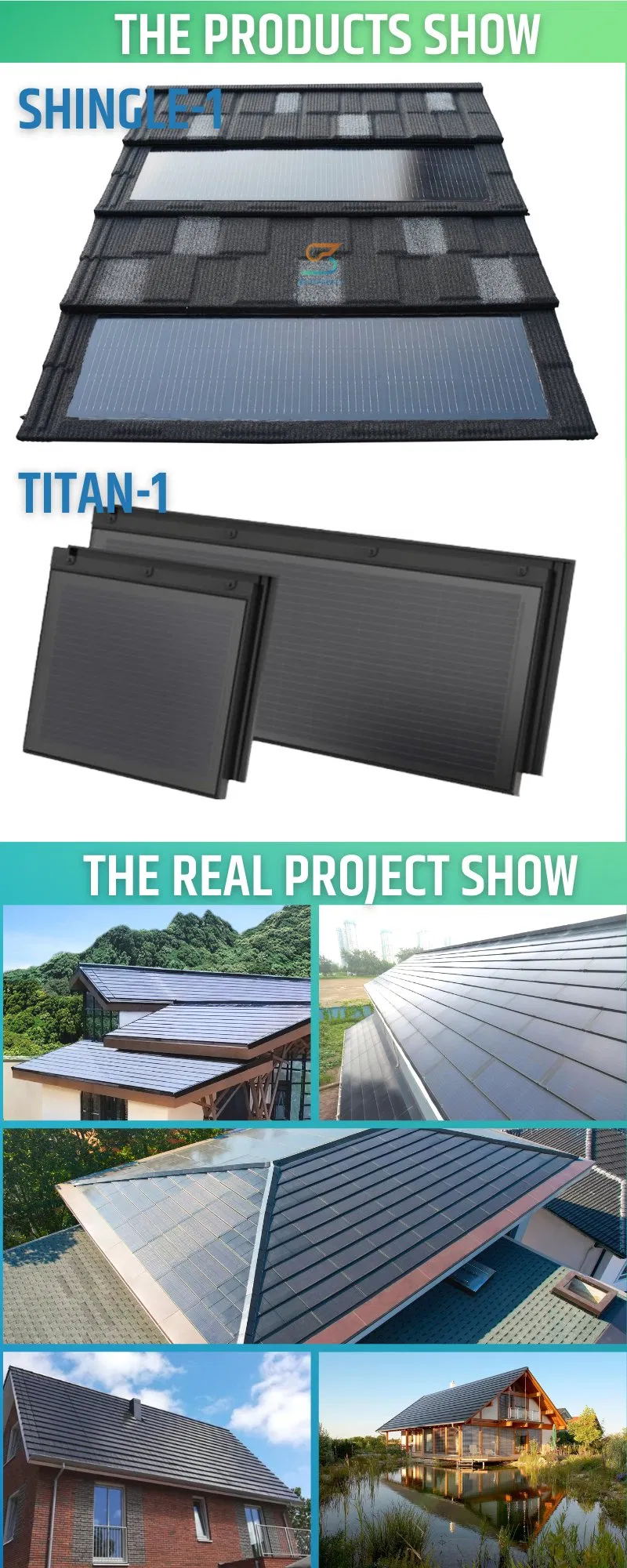
Solar Roof Tiles

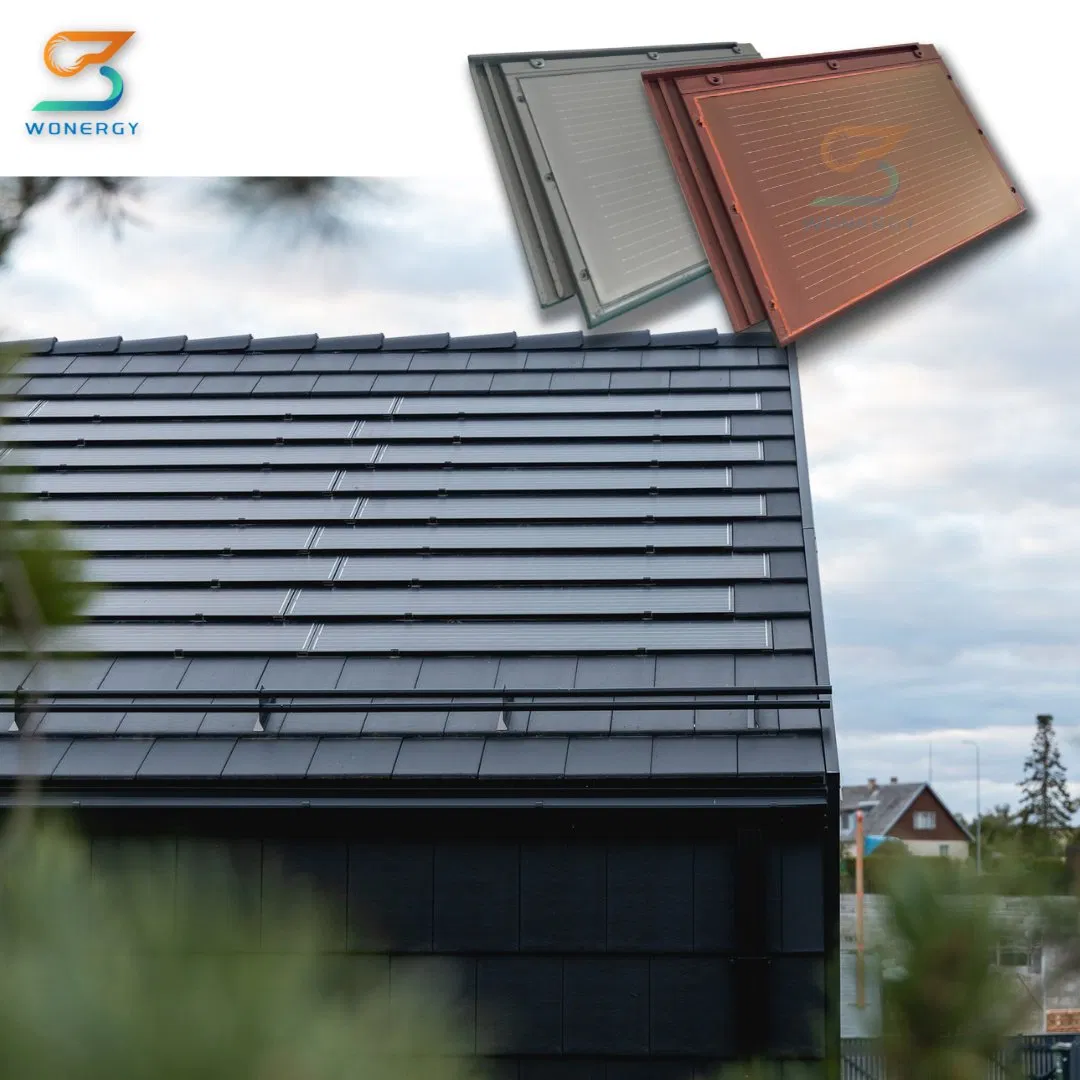
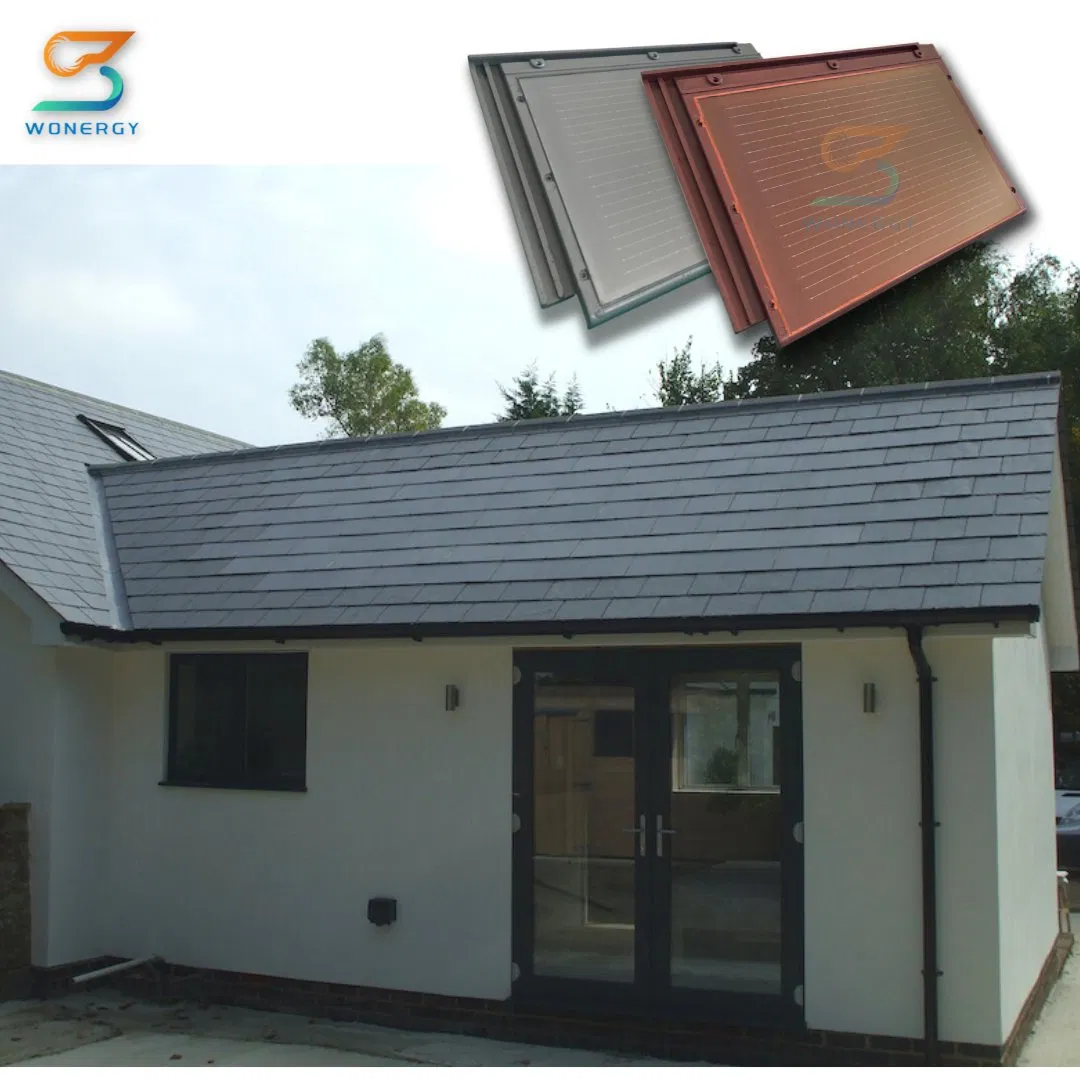
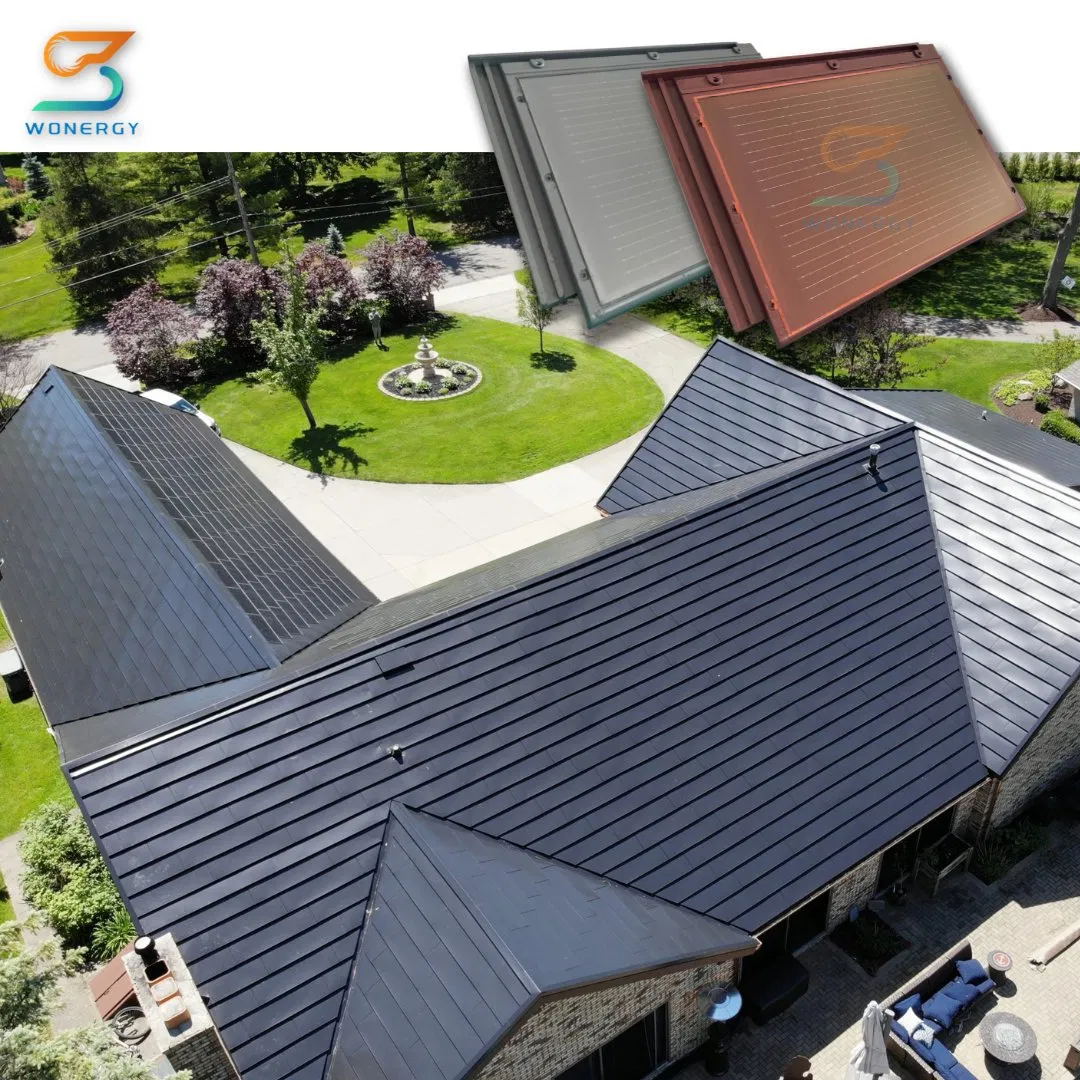
Solar Roof Tiles (BIPV)

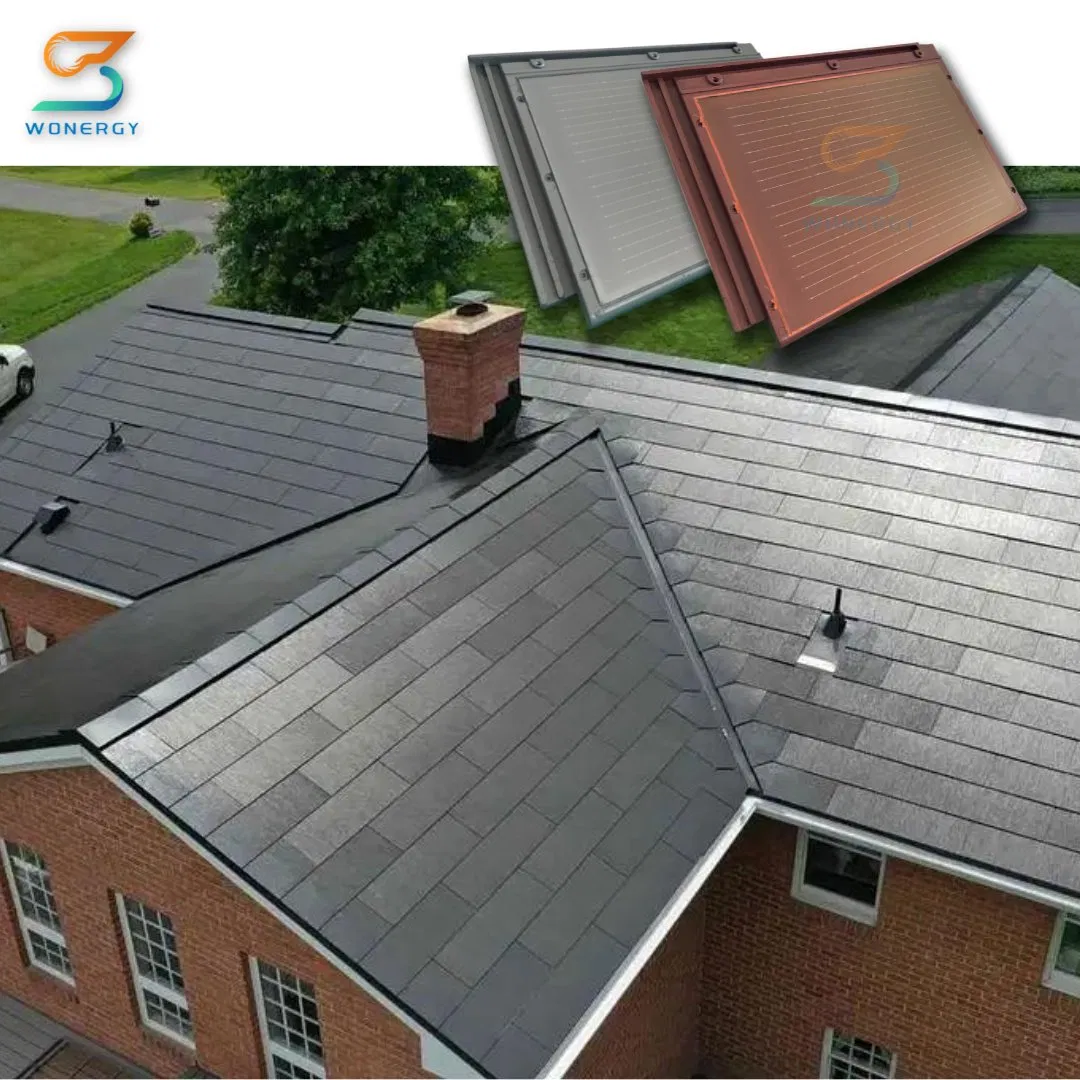
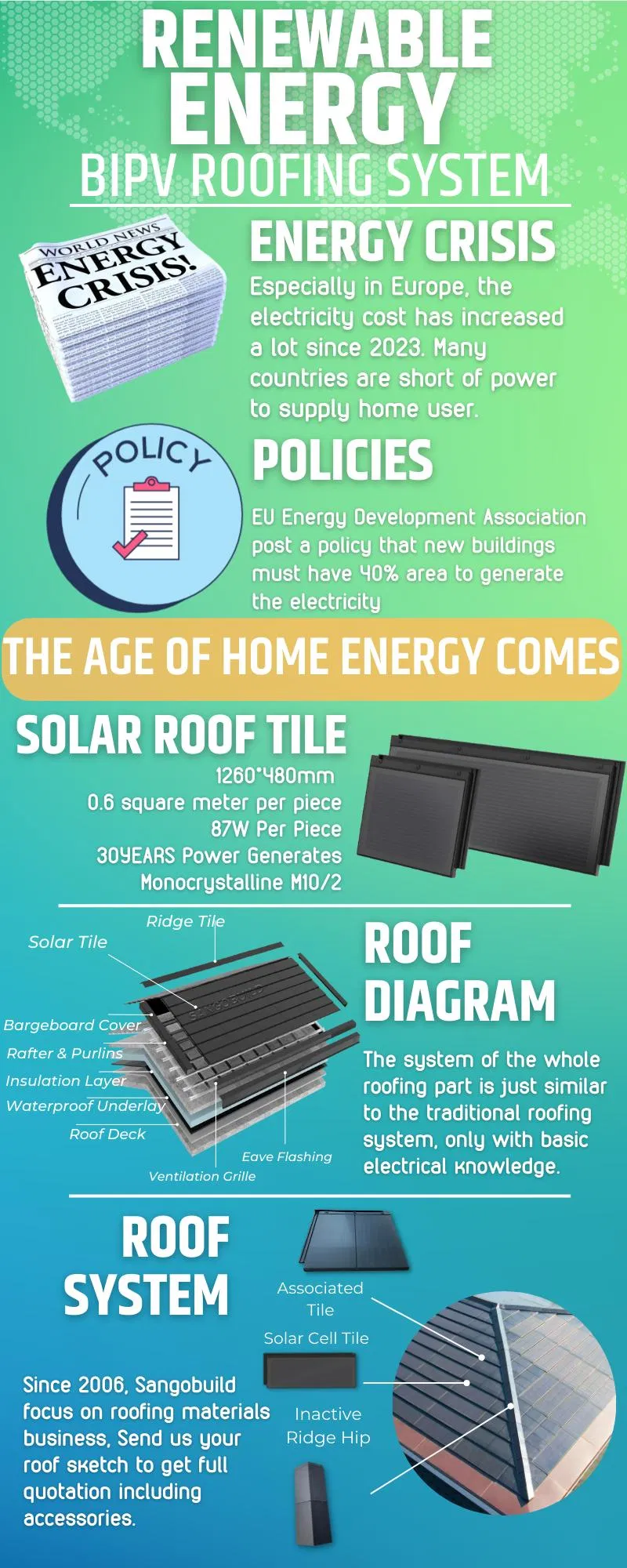
Building-integrated photovoltaics (BIPV) energy is revolutionizing how homeowners can incorporate solar energy production into their homes. BIPVs serve the double function of generating renewable energy while performing necessary structural tasks of building elements.

This is a premium solution for everybody interested in the design aspects of roof integration and sustainable energy.

Model Number: JS XXXDG-18b Glass: Low-iron tempered glass / 6mm
Size: 1260mm Panel Efficiency: 10.1%-10.4%
Certificate: CE, IEC61215/IEC61730/ISO Warranty: 30 years Linear Warranty
Solar Cell: Mono 36 Cell 158.75*158.75mm Junction Box: IP67 Rated
Solar Tile Detail 1
Solar Tile Detail 2
Solar Tile Detail 3
🔄

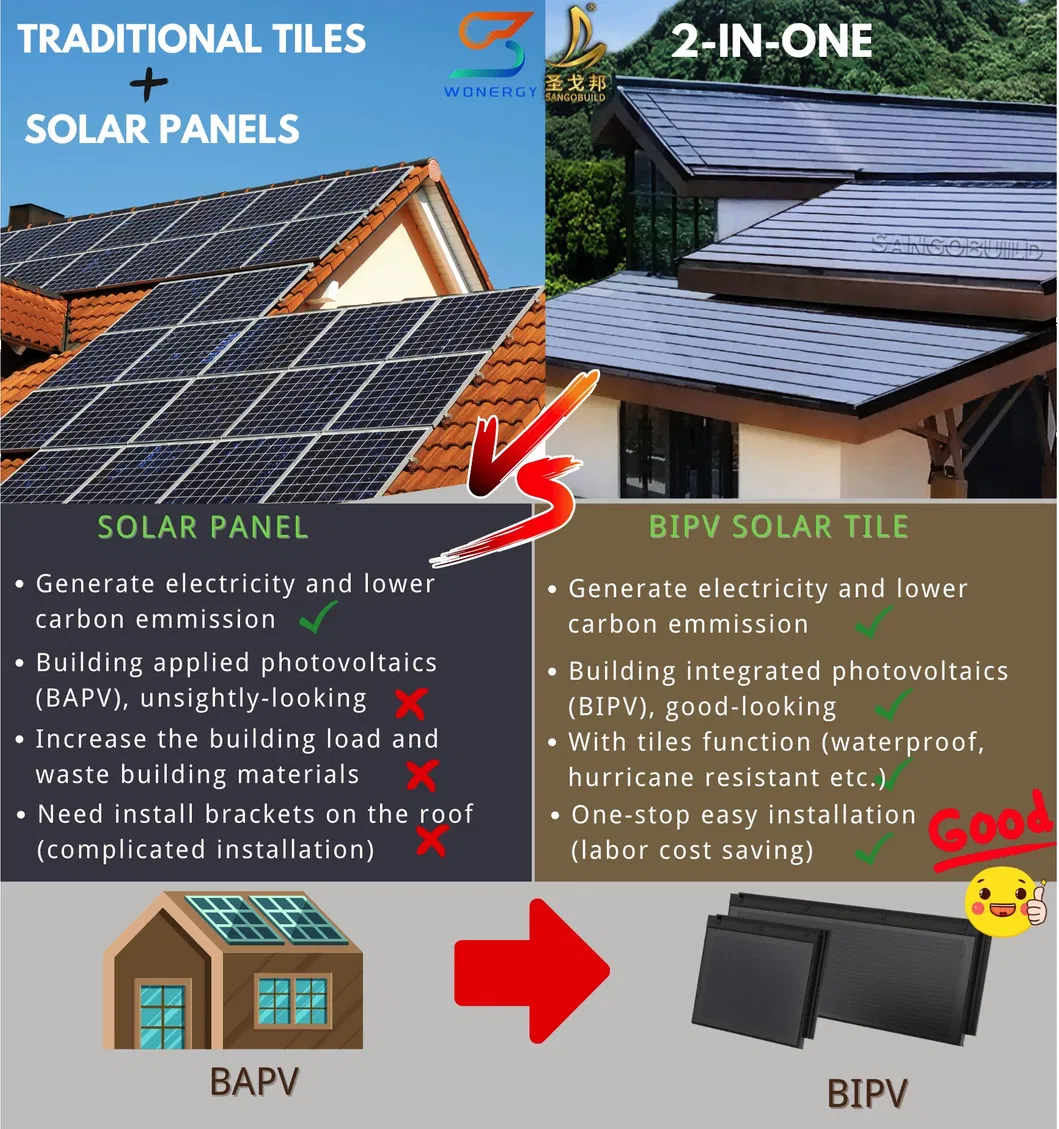
BAPV VS BIPV

BAPV vs BIPV Comparison
Feature BAPV (Applied) BIPV (Integrated)
InstallationFitting modules to existing surfacesReplacement of traditional elements
FunctionPower generation onlyPart of the integral building structure
AppearanceMessy, poor integrityBeautiful, simple, and elegant
Lifespan20 Years60+ Years
WaterproofHigher leakage riskPremium waterproofing resistance
ConstructionTwo phases, long periodEasy and fast installation
🏗️

Structures

Solar Roof Structures

Glass/Glass Technology: Highest durability against harsh environmental conditions and longer lifespan.
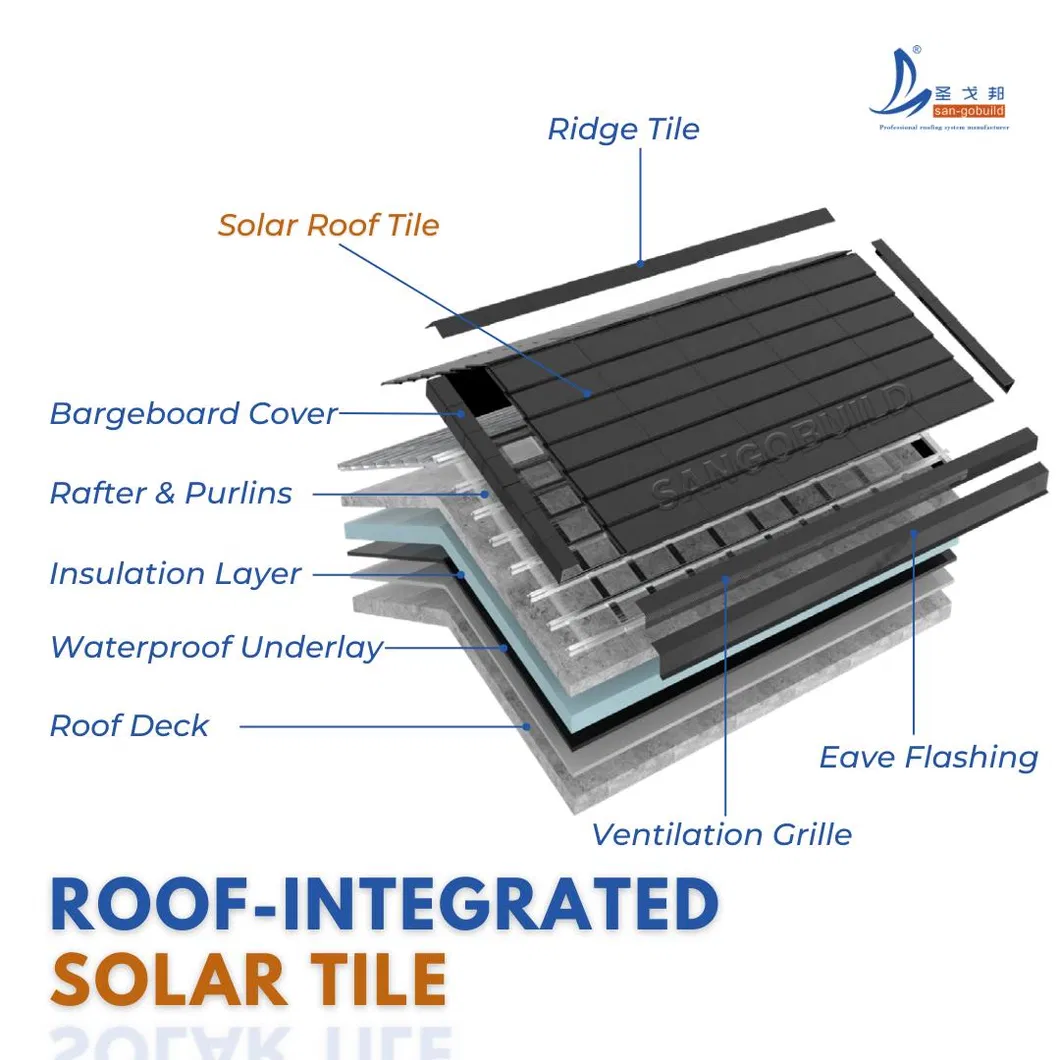
Roofing System

Versatile Application: Can replace roofs, facades, windows, skylights, and pergolas.

Why BIPV?

BIPV is one of the most promising ways of producing on-site electricity directly from the sun - silently, without environmental harm or depletion of resources. The PV modules serve a dual purpose: they replace conventional materials and generate power.
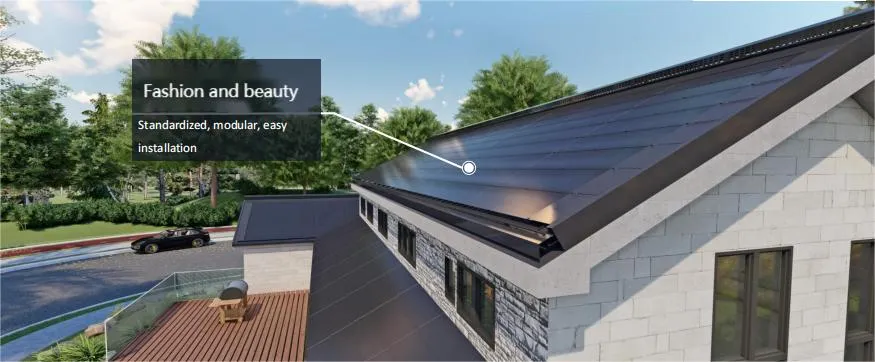
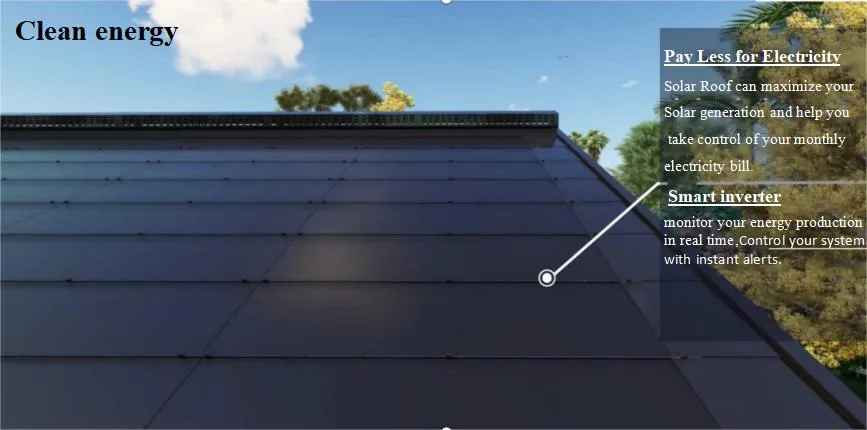
BIPV Benefits 1 BIPV Benefits 2

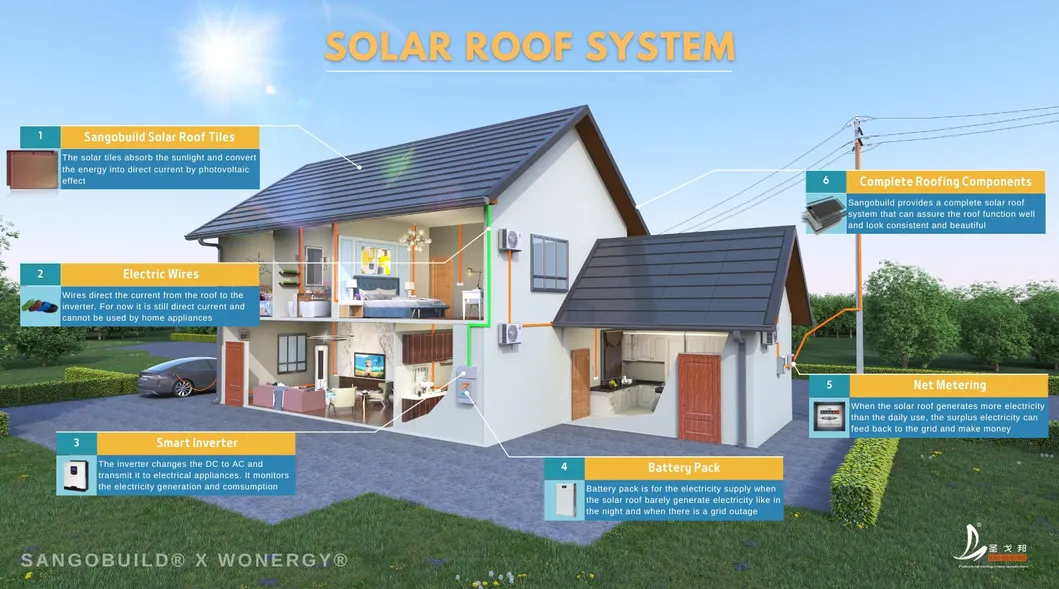
How Solar Energy Works

  • 1) Sunlight hits cells and converts to DC electricity.
  • 2) Inverter converts DC to AC for home use.
  • 3) Excess power can be sold back to the utility.
  • 4) Excess can be stored in batteries for later use.
  • 5) Mobile apps monitor creation and usage in real-time.
Solar Energy Workflow
🛠️

Accessories & Installation

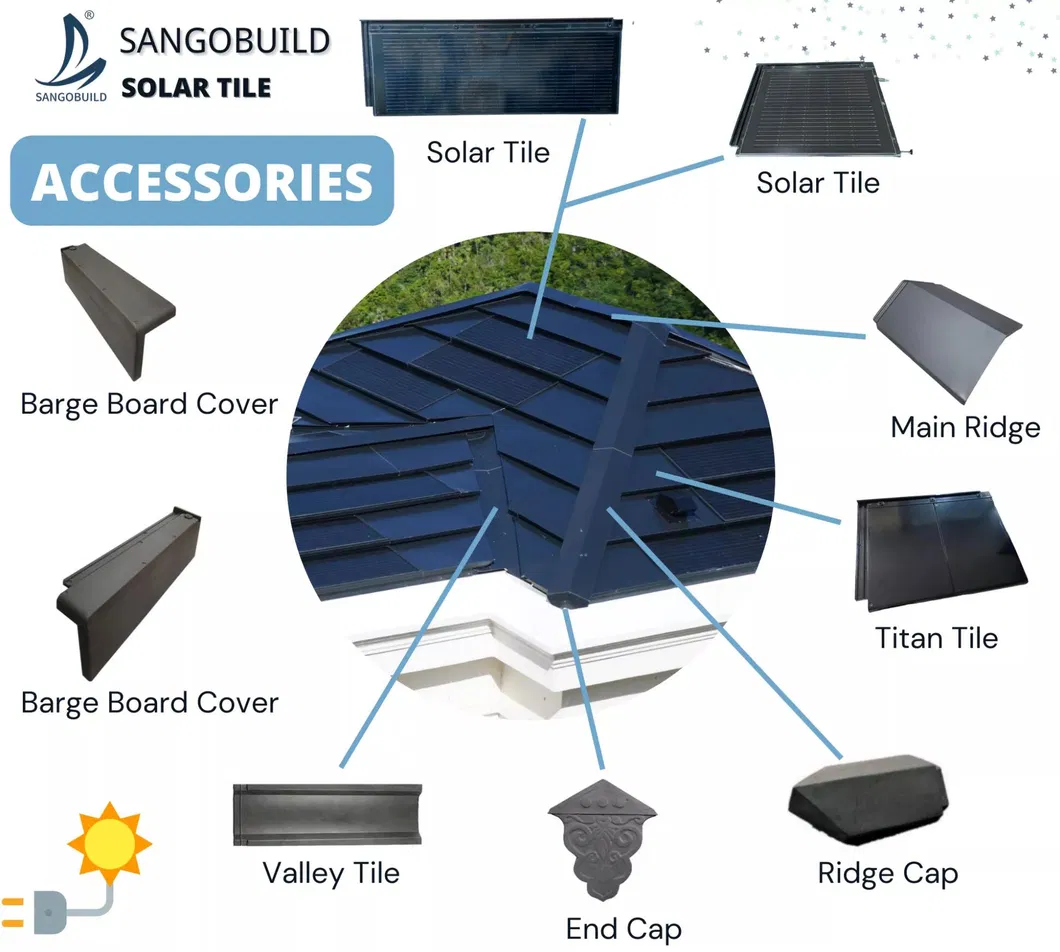
System Accessories

Solar Accessories

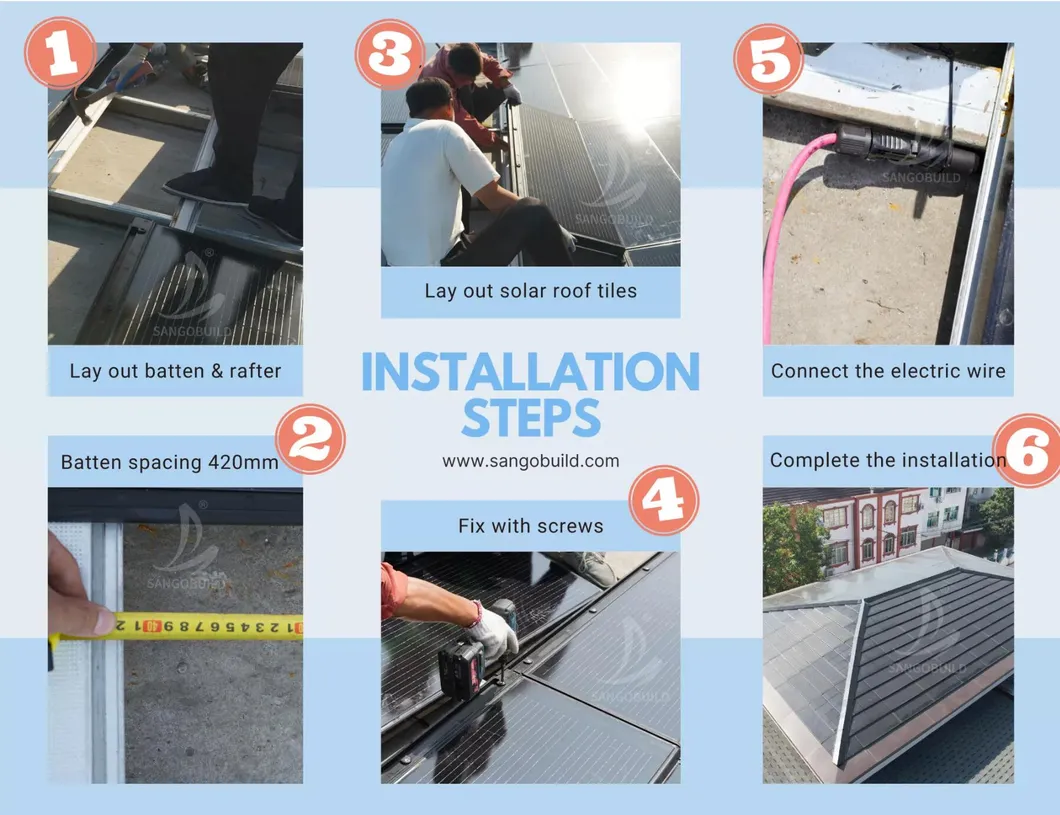
Installation Process

Installation Guide

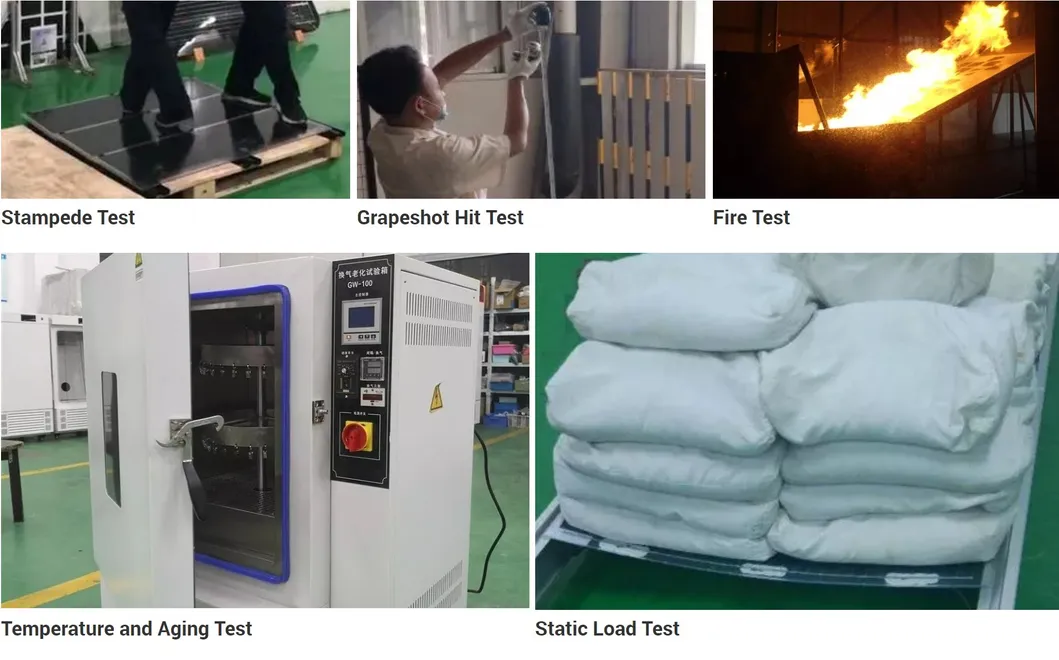
Rigorous Testing

Product Testing
📦

Packing & Delivery

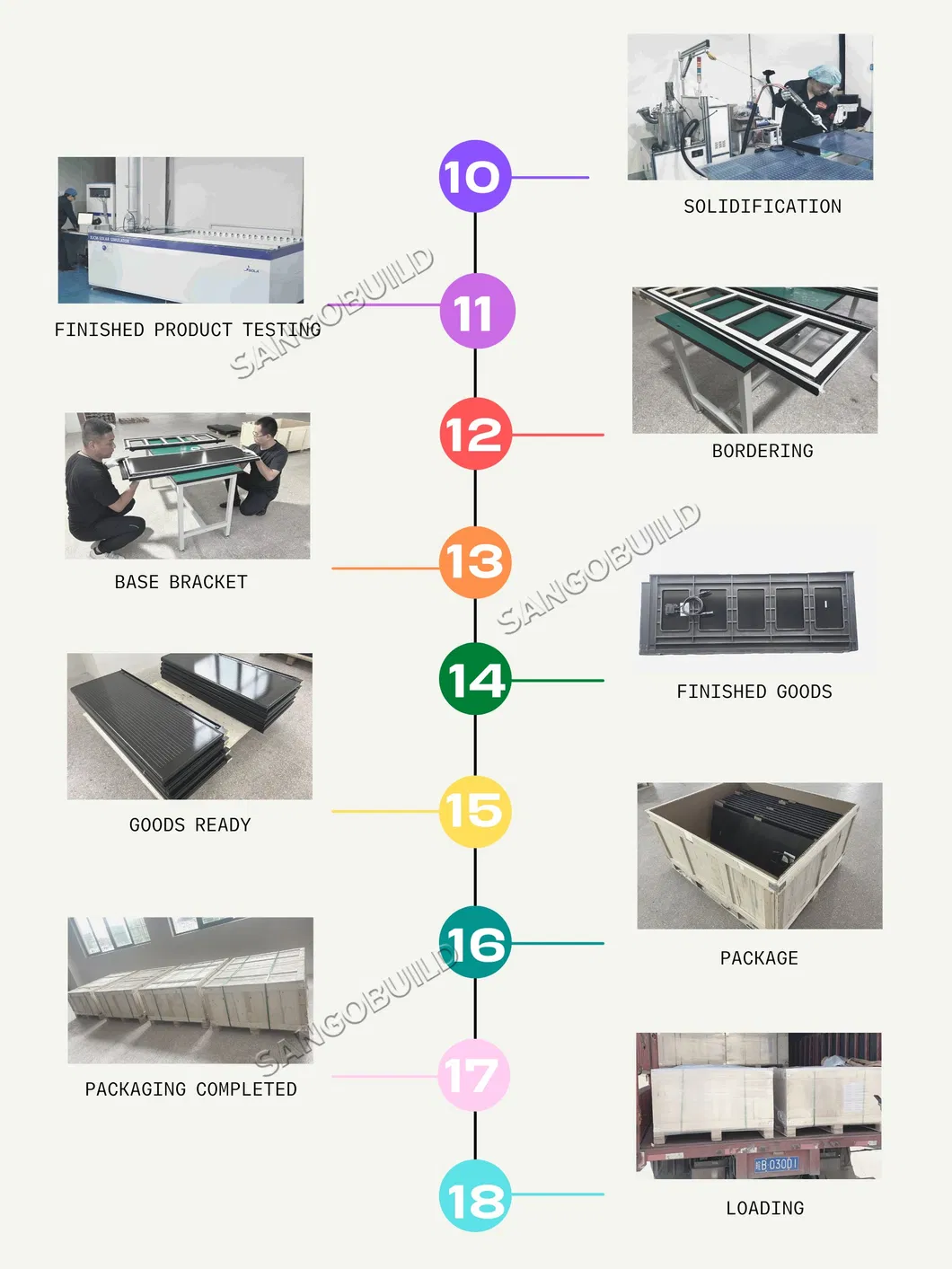
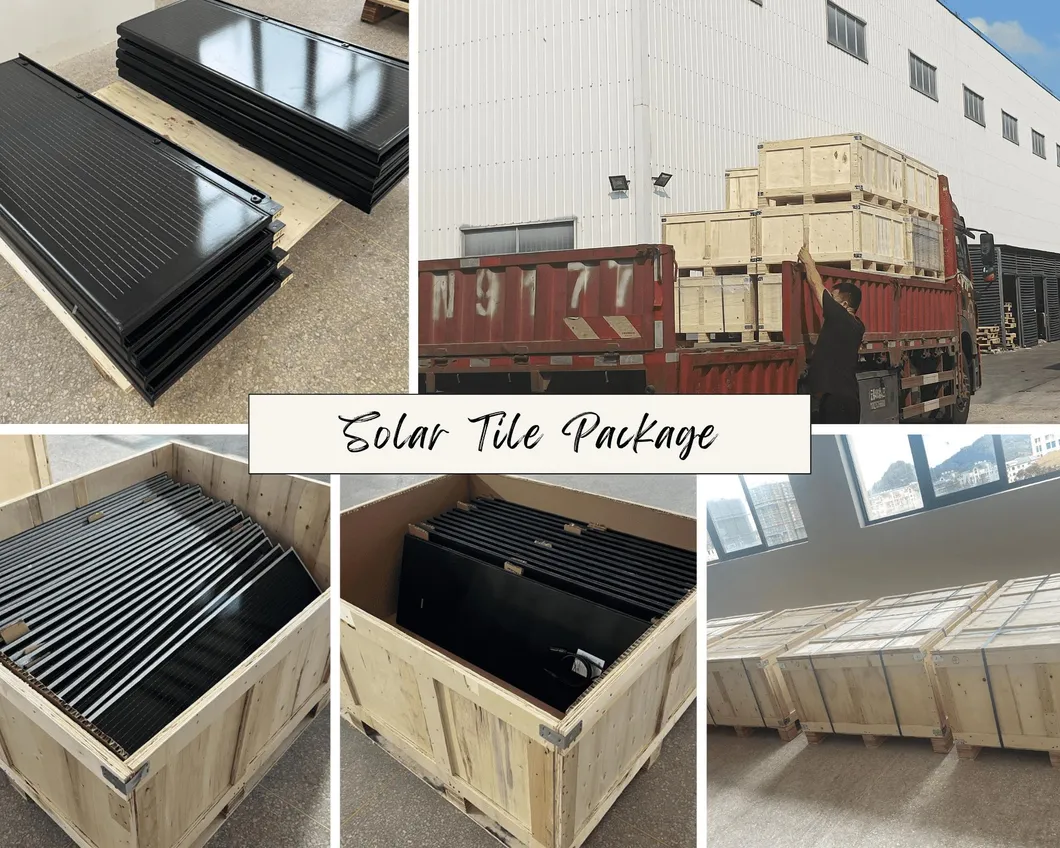
Packaging 1
Packaging 2
Delivery Logistics
🏆

Our Advantages

Quality & Technology

Approved by ISO9001, CE, TUV, CCC. Over 10 years of R&D experience in smart buildings. We hold 138 BIPV patents.

Service Excellence

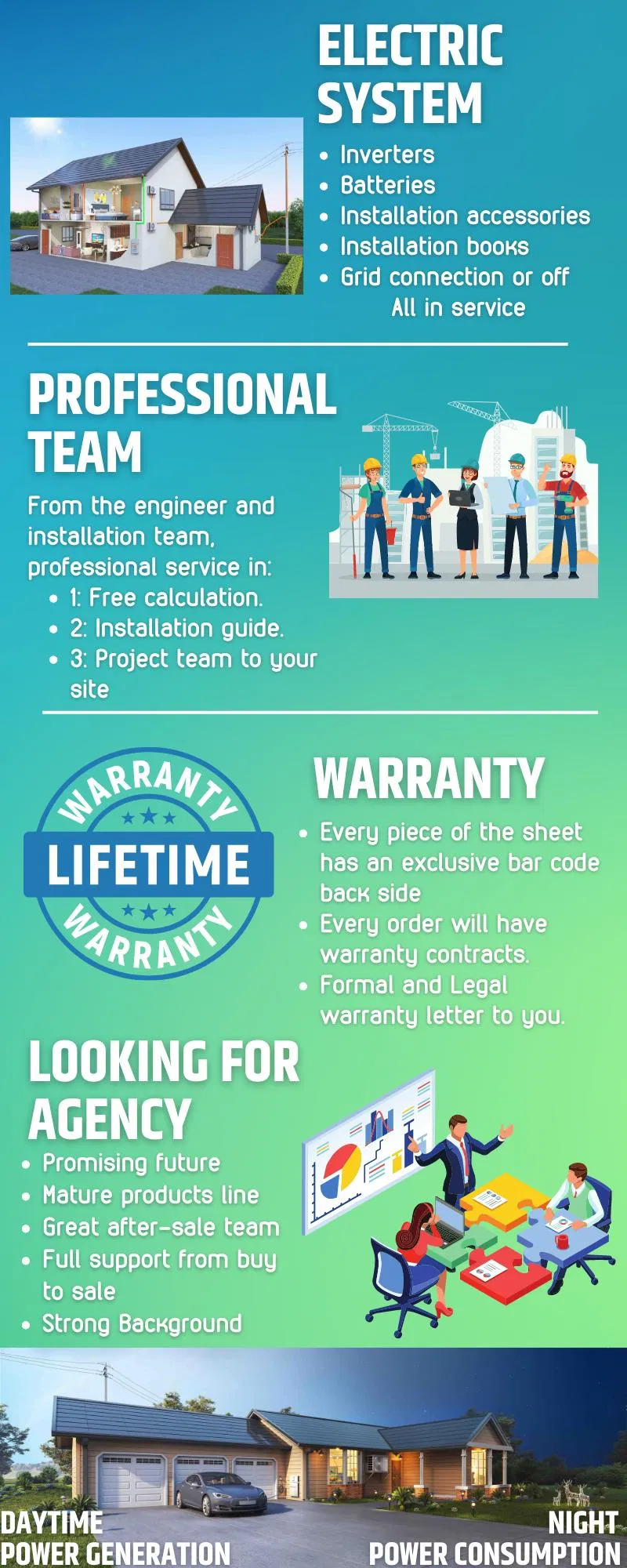
Responding to needs within 6 hours. Ensured delivery within agreed time. Full technical support via video.
🏢

Global Projects & Certification

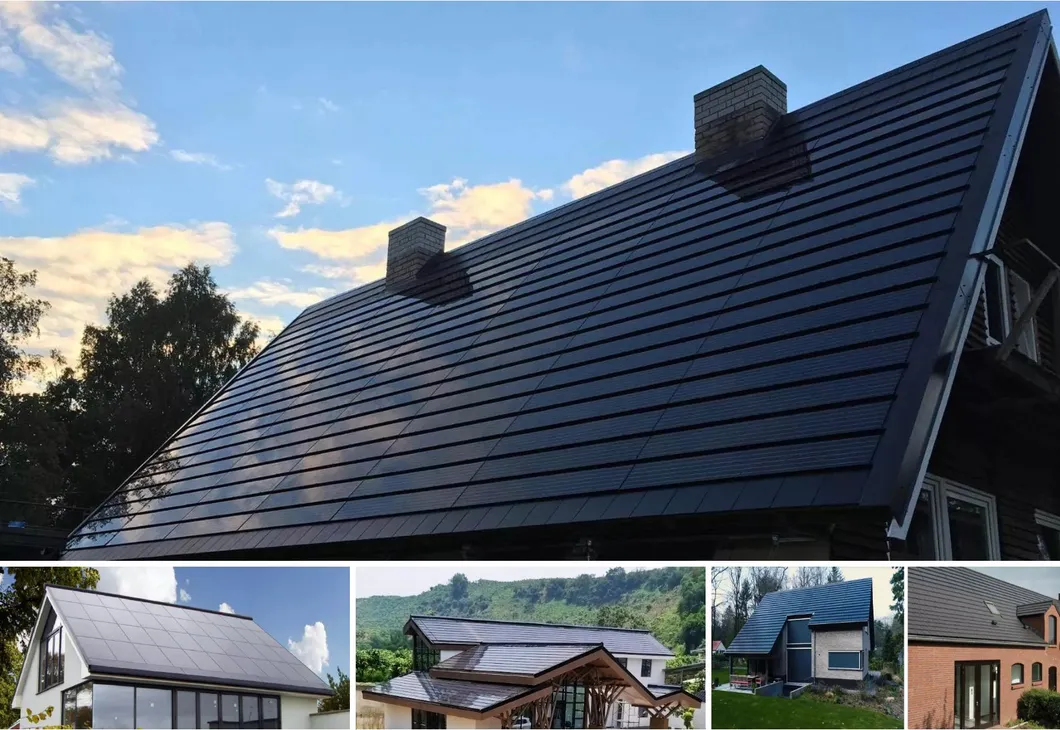
Global Projects

Our BIPV and solar modules have obtained numerous international certifications including CE, ISO9001, ISO14001, ISO45001, CCC, and CGC.
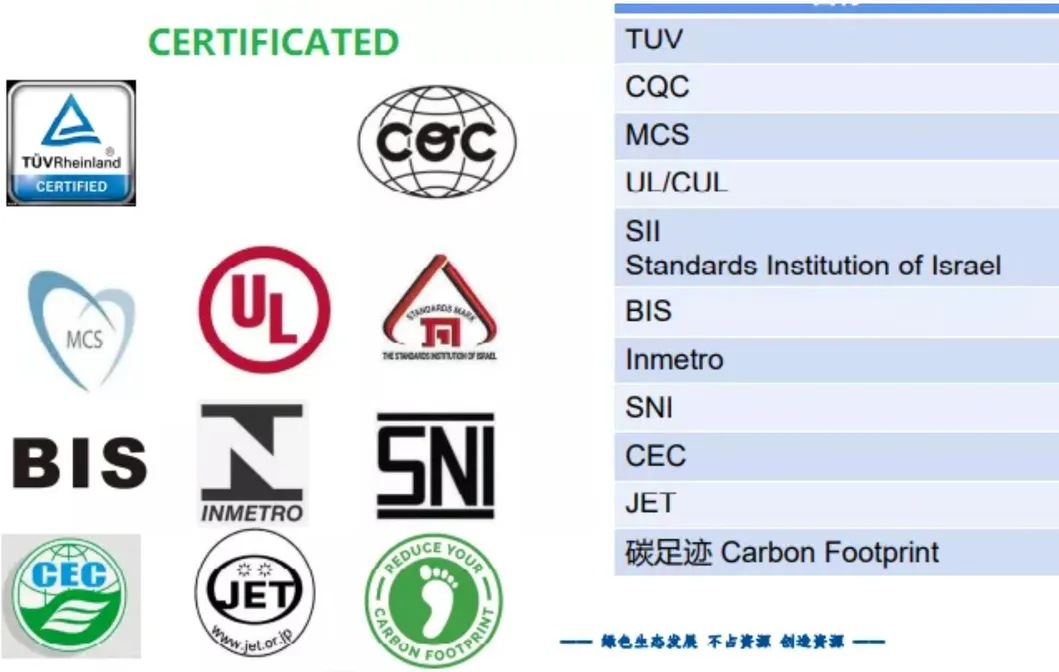
Certificates
💬

Frequently Asked Questions

What types of BIPV products are available?
BIPV products include solar panels, tiles, or shingles that replace traditional roofing. They can also function as building skins, facades, windows, and skylights, providing weather protection and thermal insulation while generating energy.
How much energy can BIPV systems produce?
Production depends on solar radiation (kWh/m2/day), climate, and shading conditions. Modern systems are highly efficient even in urban areas, though maximum output is achieved with direct sunlight and clean surfaces.
Are BIPV systems worth the investment?
Yes. They serve a dual function, acting as both a building material and an energy generator. This "subsidizes" the cost of the roof or facade while providing long-term savings on electricity bills.
How long do BIPV products typically last?
BIPV systems are often more durable than traditional materials. While asphalt shingles last about 15 years, solar shingles are designed to last 25-30 years with minimal efficiency loss.
What is a Solar Shingle?
Solar shingles are mini solar panels designed to look and function like conventional roofing materials (such as asphalt or slate) while capturing solar energy for home use.
How do they handle extreme weather?
Solar roofing is lightweight but highly durable, designed to withstand rain, wind, and hail. Most carry high ratings for wind resistance (Class F), fire (Class A), and hail impact.

Related Products