ApexSun Solar
1 / 5
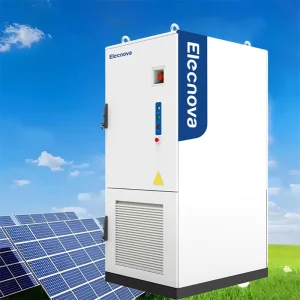
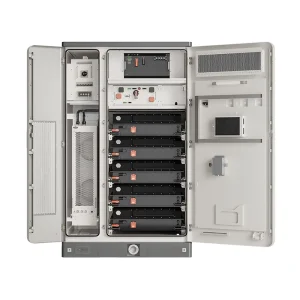
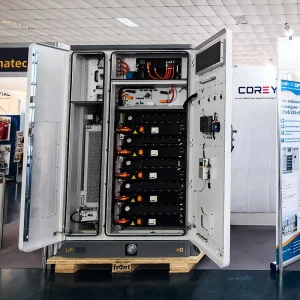
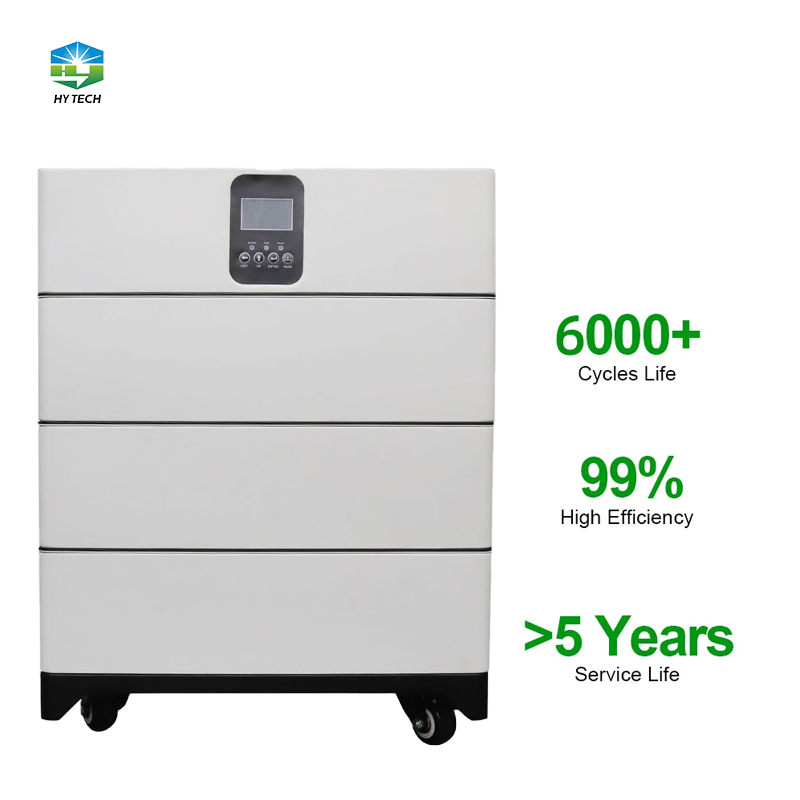
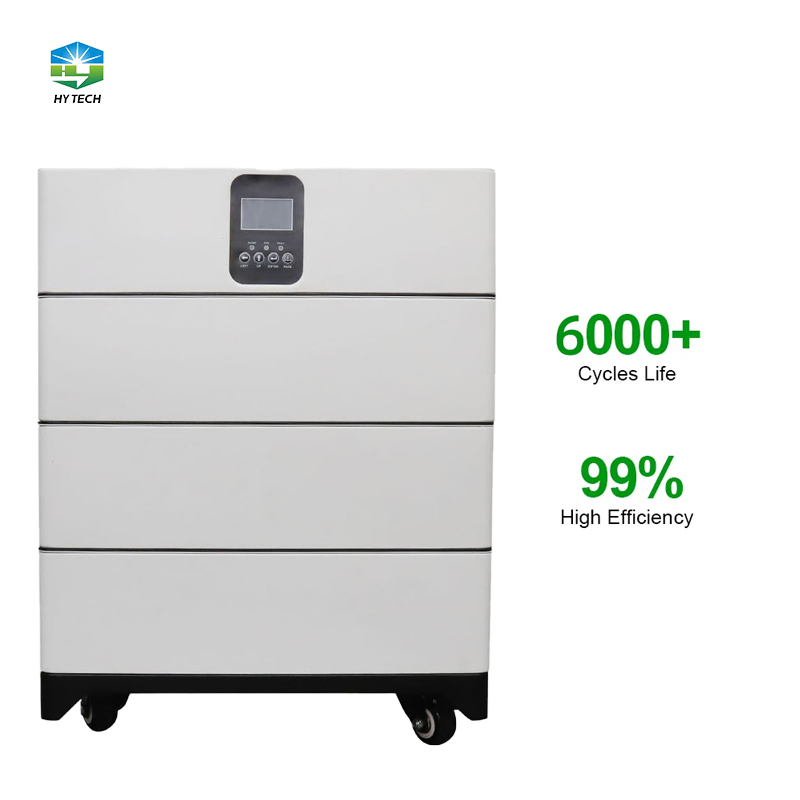
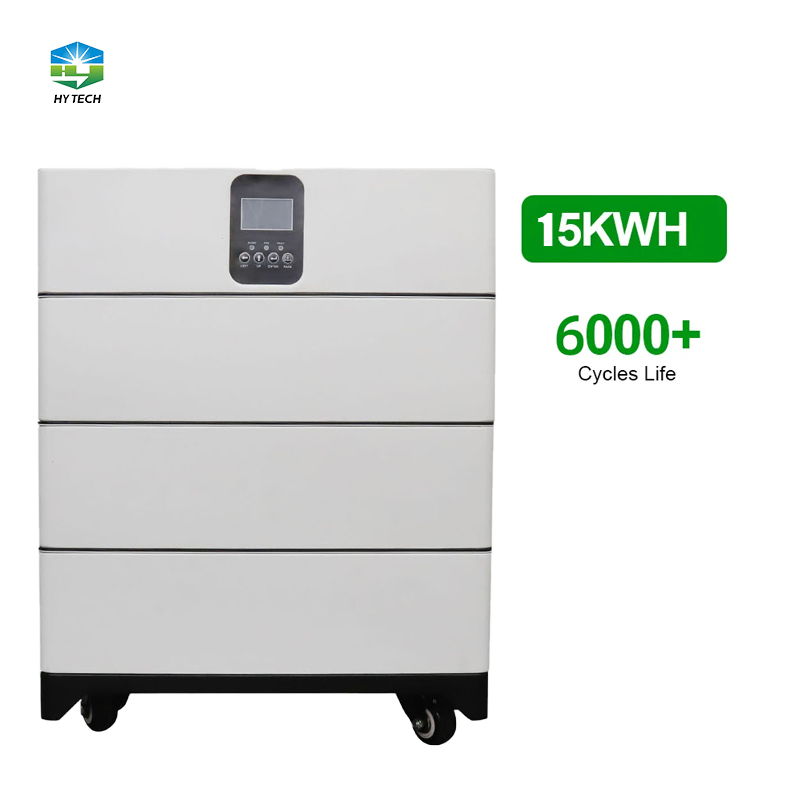
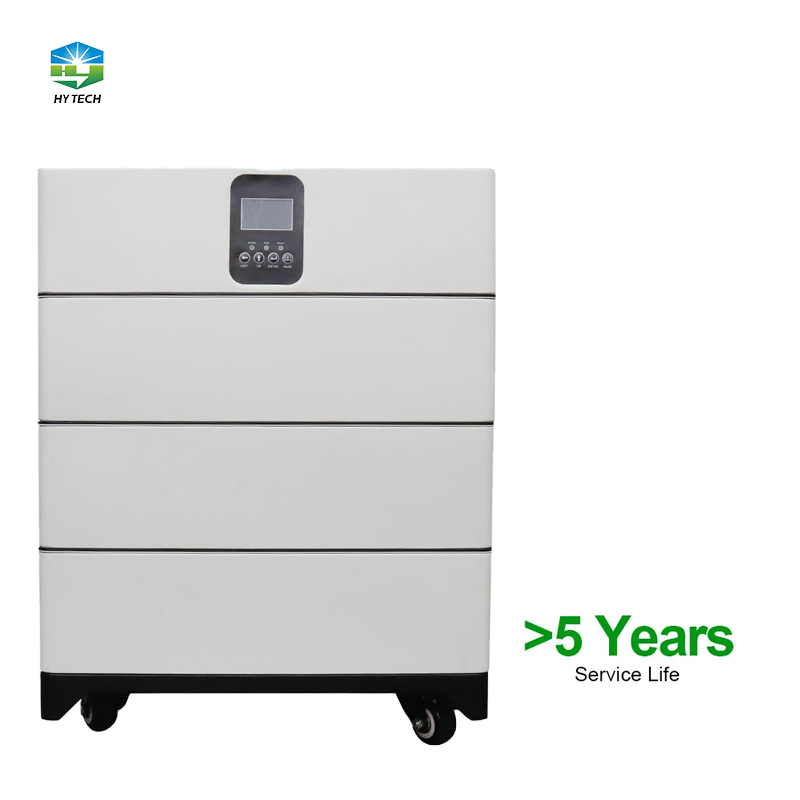
Design a smart Battery Management System (BMS) to monitor the voltage, temperature, and current of the battery pack in real-time, ensuring safe and stable operation. Use a modular design to allow users to flexibly adjust battery capacity based on household energy needs.
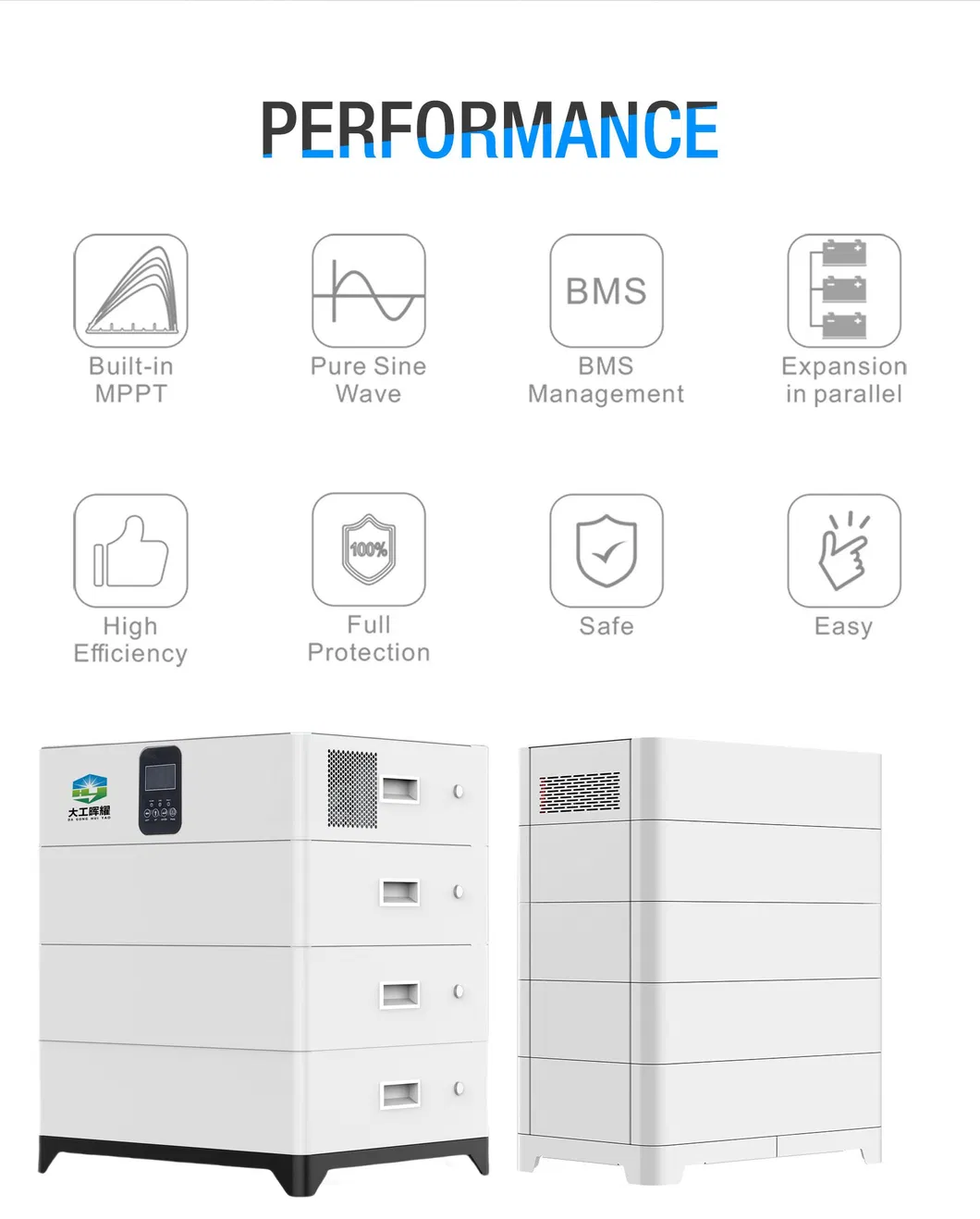
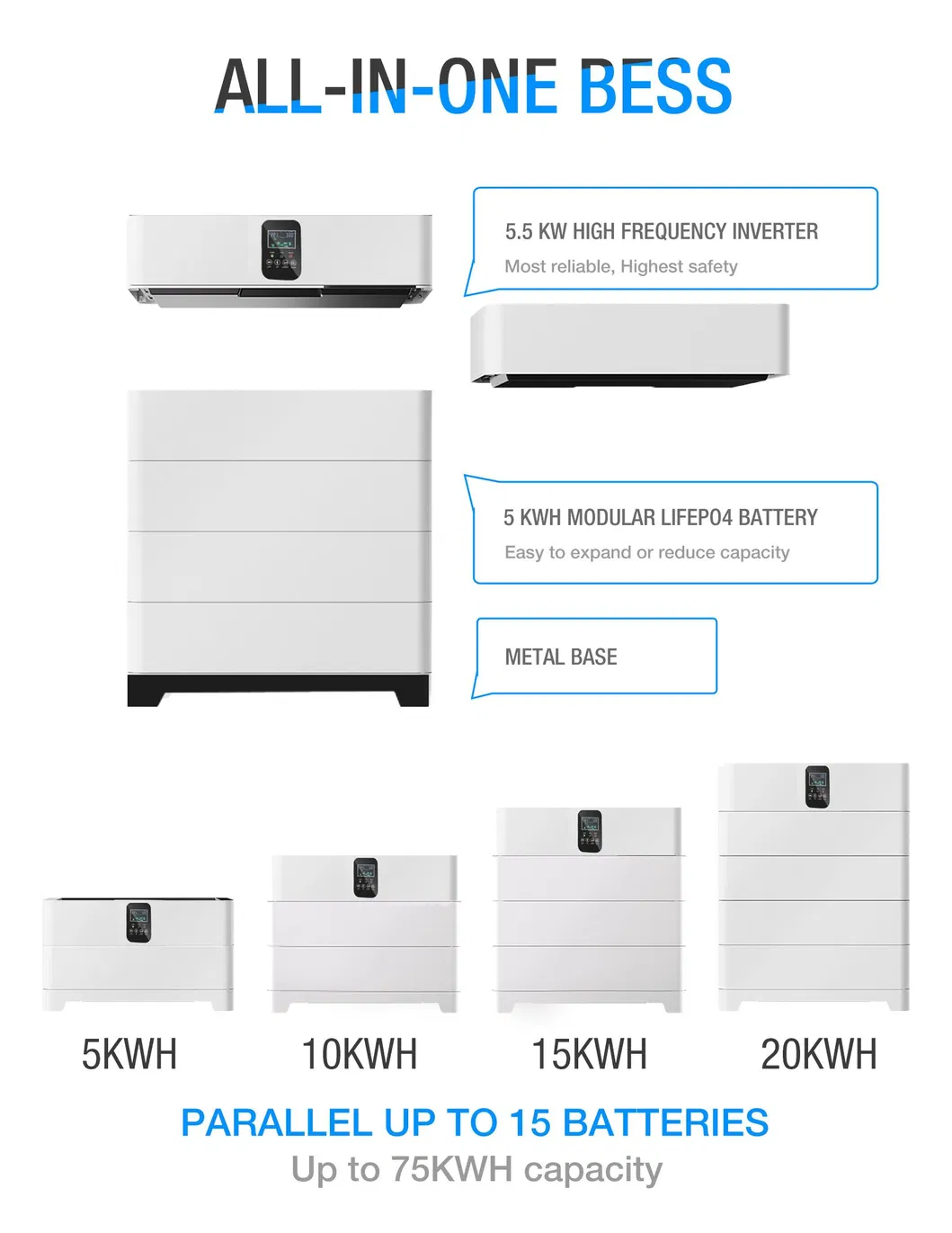
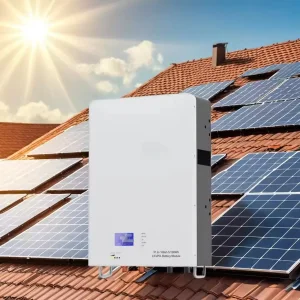
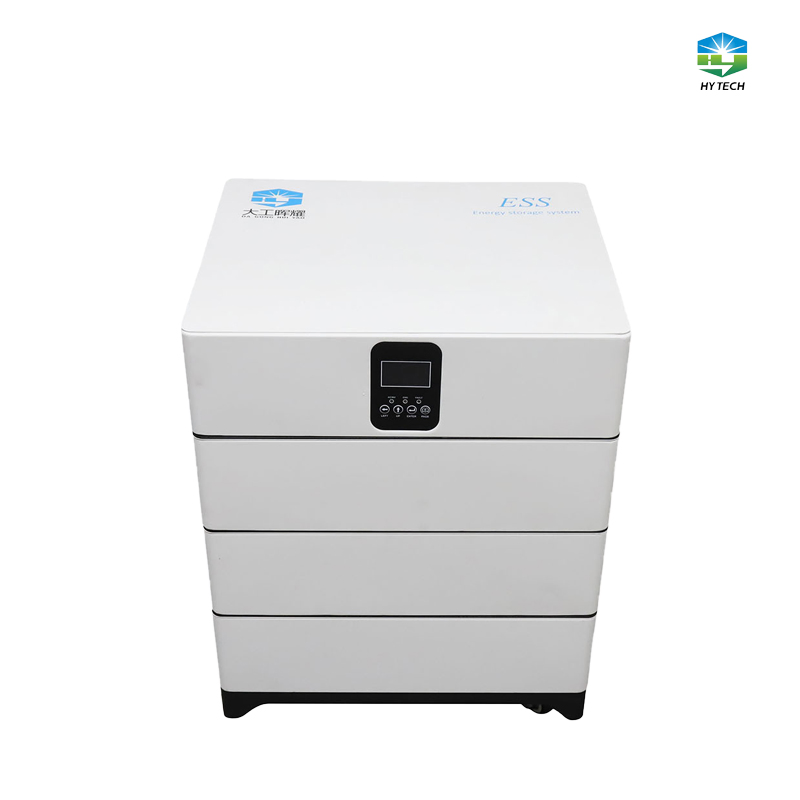
Optimize the integration of the inverter, battery, and BMS to improve space utilization and aesthetics. Employ a compact inverter and efficient cooling solutions to ensure stable operation under high loads. The streamlined exterior design will hide wiring and offer various color and material options to suit different home styles.
Consider using CAN bus or RS485 to enhance anti-interference capabilities, suitable for complex electromagnetic environments. Design interfaces that support multiple communication protocols or allow software upgrades to accommodate new standards.
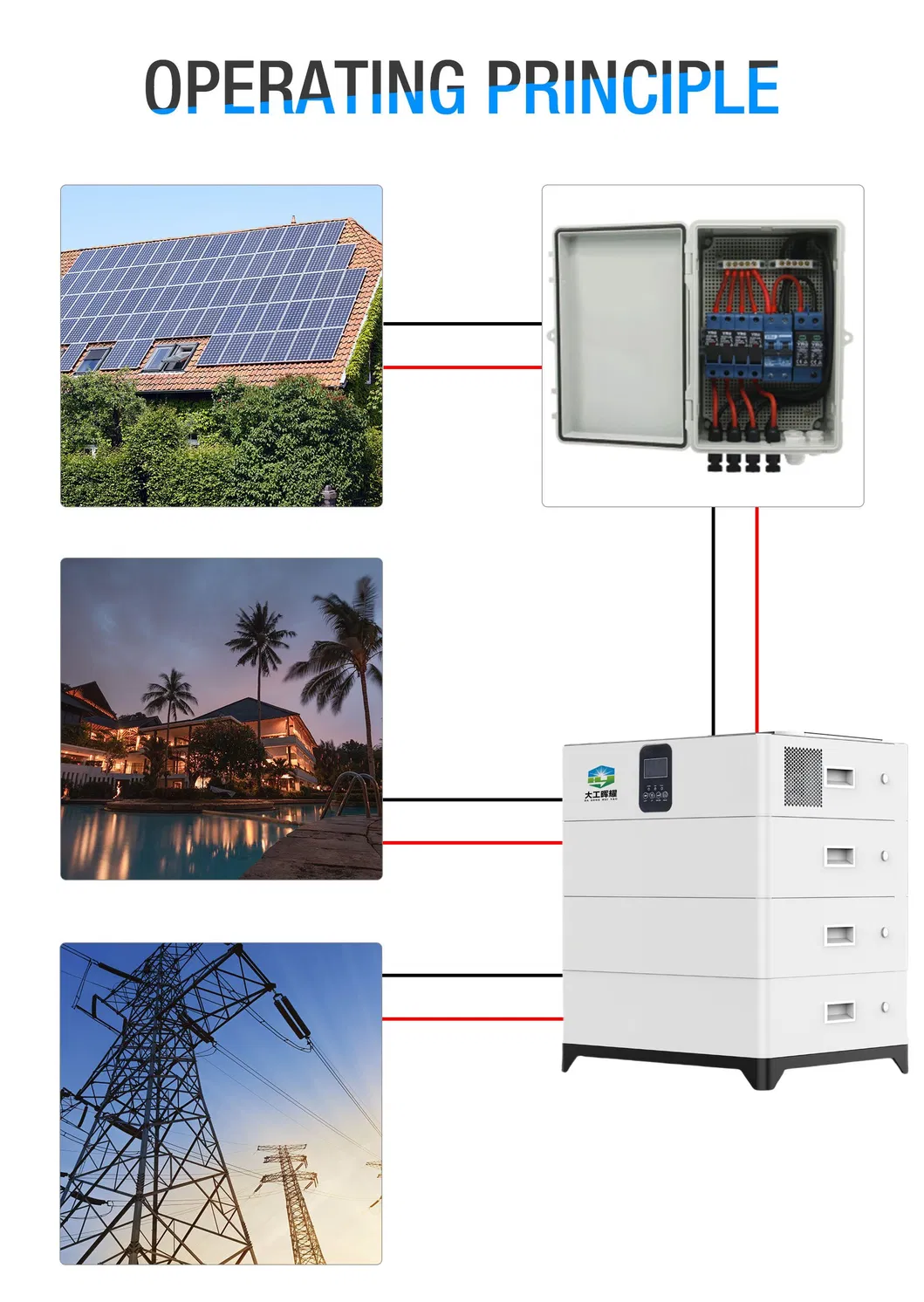
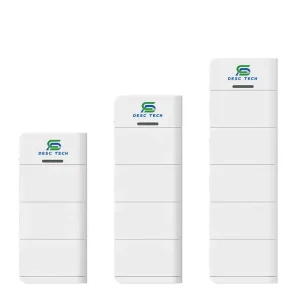
| Battery model | Voltage | Energy | Capacity | Size | Current | Material |
|---|---|---|---|---|---|---|
| DHDJ-5000*1 | 51.2V | 100Ah | 5.12kWh | 602*532*215mm | 100A | LiFePO4 |
| DHDJ-5000*2 | 51.2V | 200Ah | 10.24kWh | 602*532*430mm | 100A | LiFePO4 |
| DHDJ-5000*3 | 51.2V | 300Ah | 15.36kWh | 602*532*645mm | 100A | LiFePO4 |
ISO 9001 CE UN38.3 MSDS
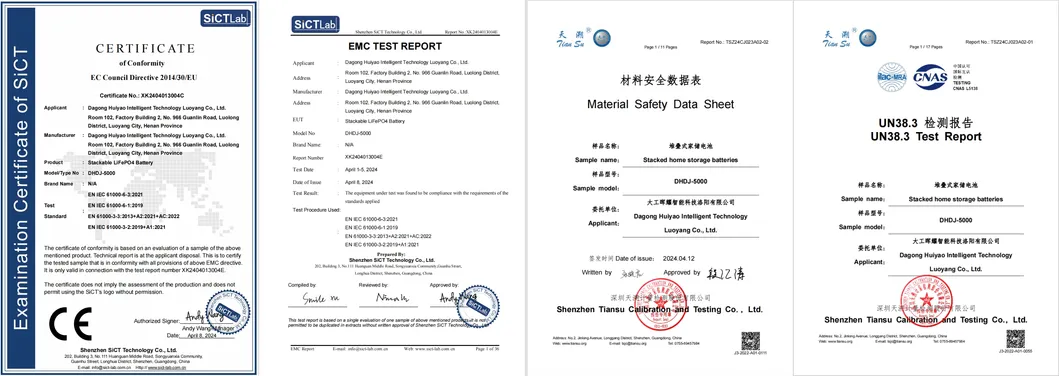

We have safe transport certificate for land and sea transport:
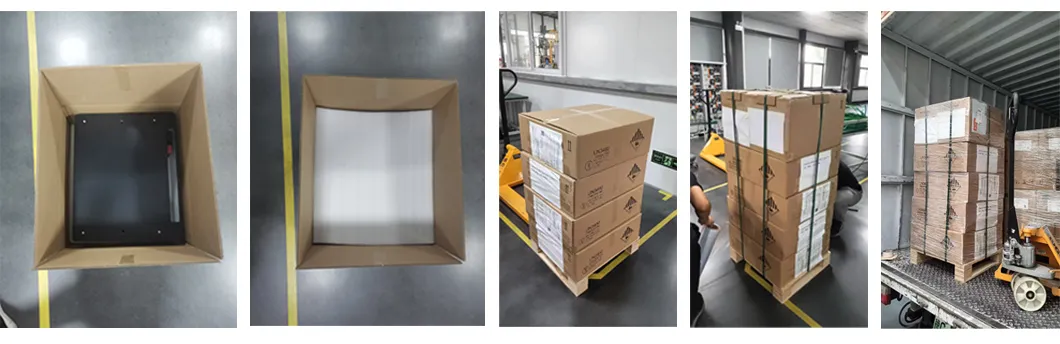
Our battery products are packaged using specialized, customs-approved hazardous packaging boxes to ensure compliance with international dangerous goods transportation standards. We hold safety transportation certification for both land and sea transport, proving that our packaging and transportation methods meet relevant laws and regulations. Through these measures, we guarantee the safety and compliance of our battery products during land and sea transport.
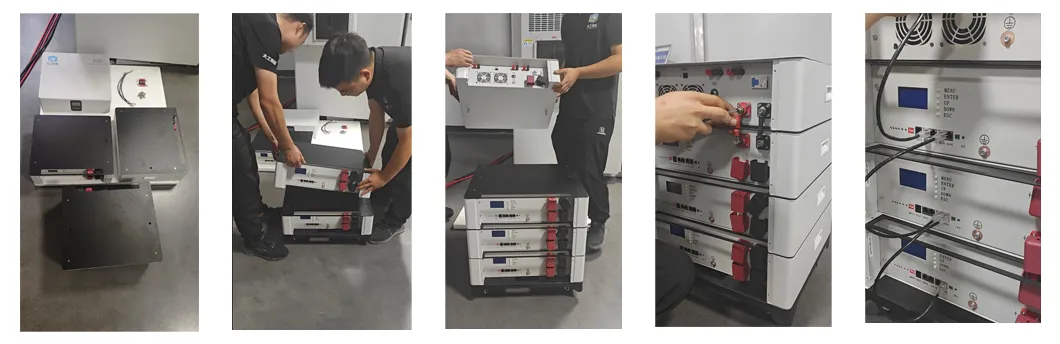
Our battery installation process is designed to be user-friendly. Here are the steps for installation, supported by detailed guidance and remote online support:
1. Unboxing Preparation: Start by opening the packaging and removing the battery units.
2. Stacking Batteries: Follow the guidance to stack the battery units together.
3. Parallel Connection: Connect the battery units in parallel for stable power output.
4. Communication Cable Connection: Connect the communication cable to the battery management system.
5. Connecting to Power: Connect the battery pack to the photovoltaic (PV), mains electricity, and output power supply.
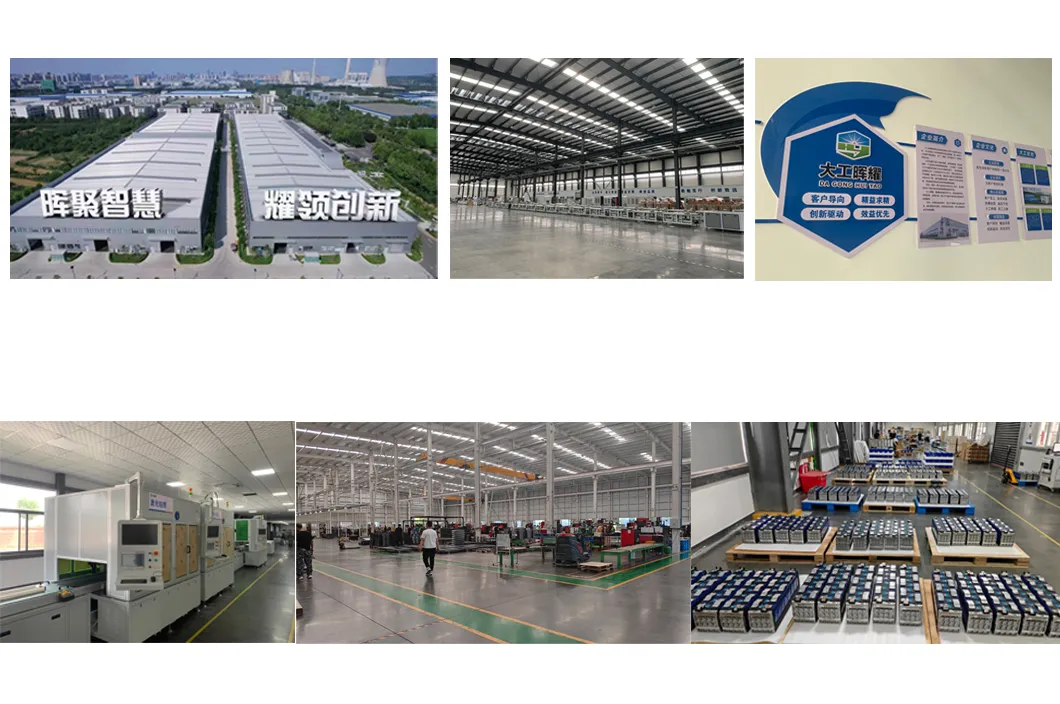
Founded in 2017, we are a professional battery energy storage system (BESS) provider that provides reliable energy storage solutions globally by integrating expertise in electrochemistry, power electronics, and system integration.
With over 20 agents and more than 30 partners globally, we operate a joint research lab and a factory area exceeding 10,000 square meters. We are dedicated to green development and creating a sustainable future through innovative new energy solutions.