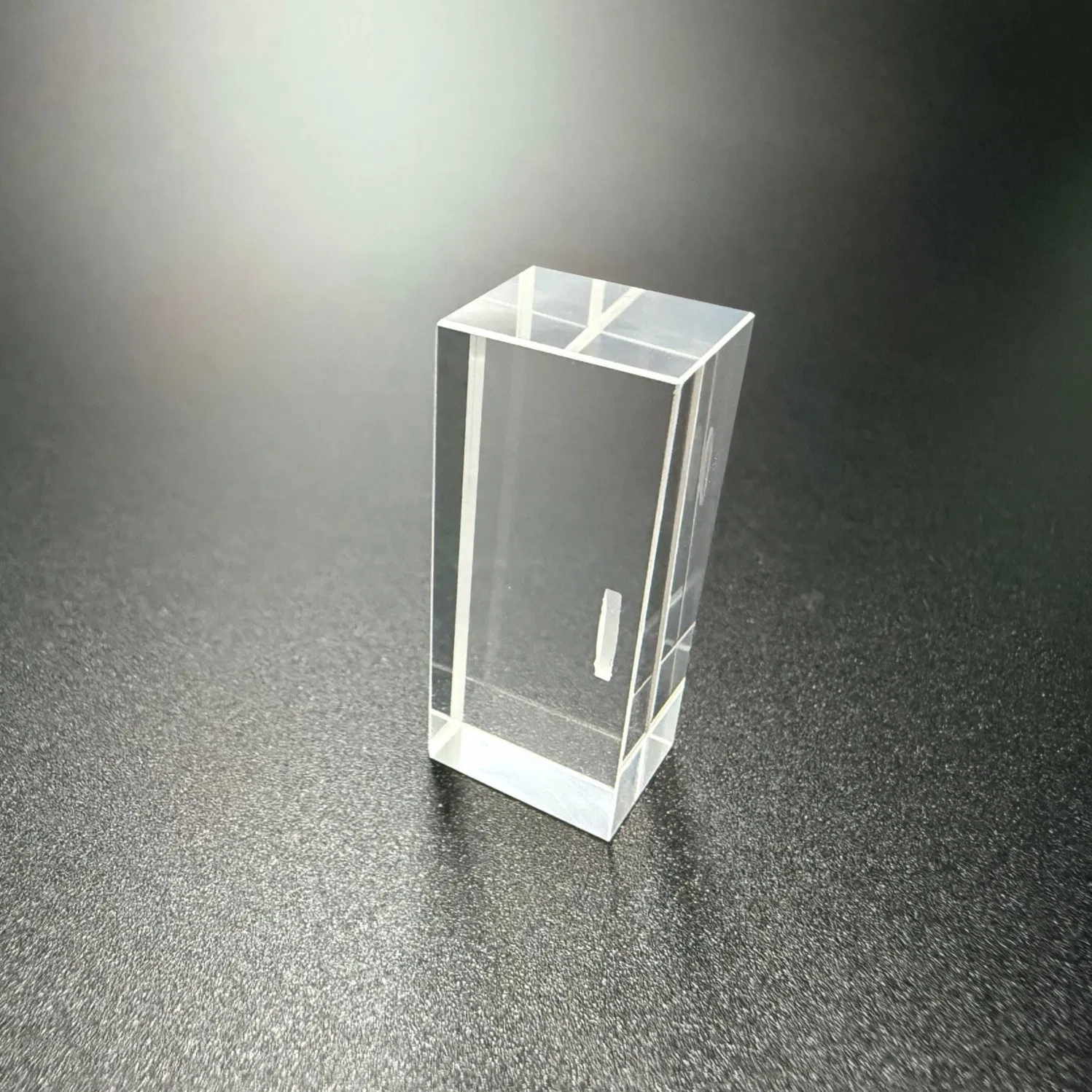
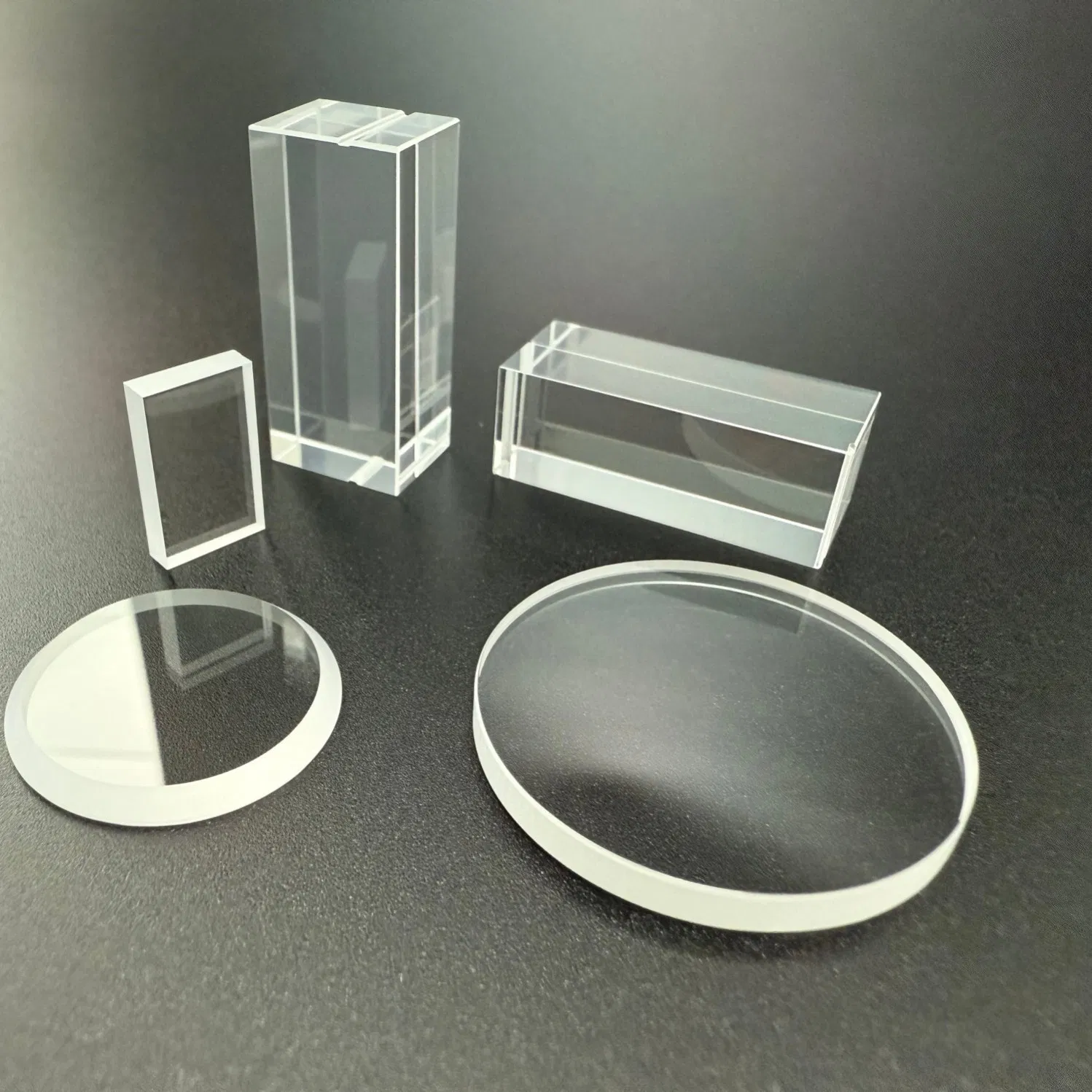
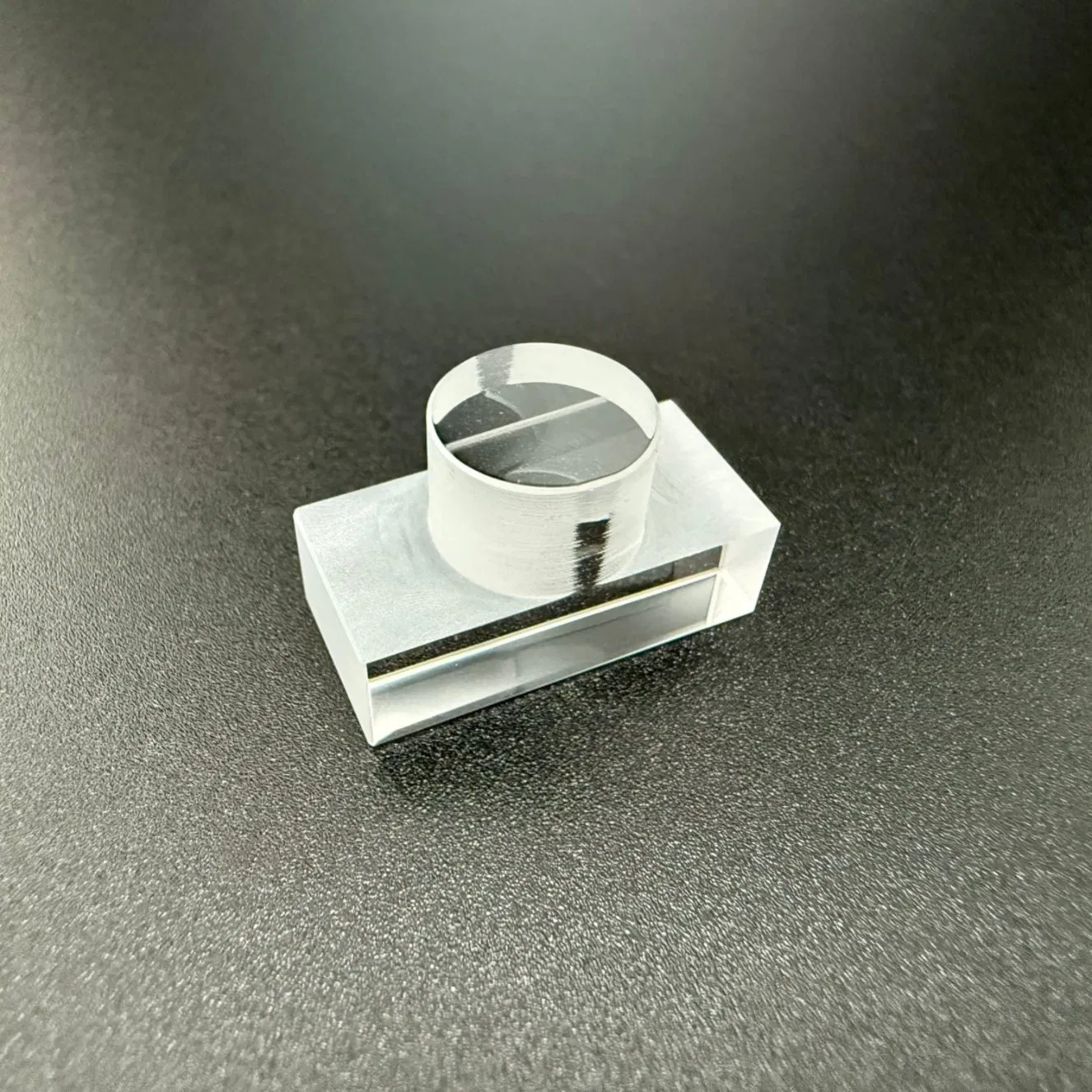
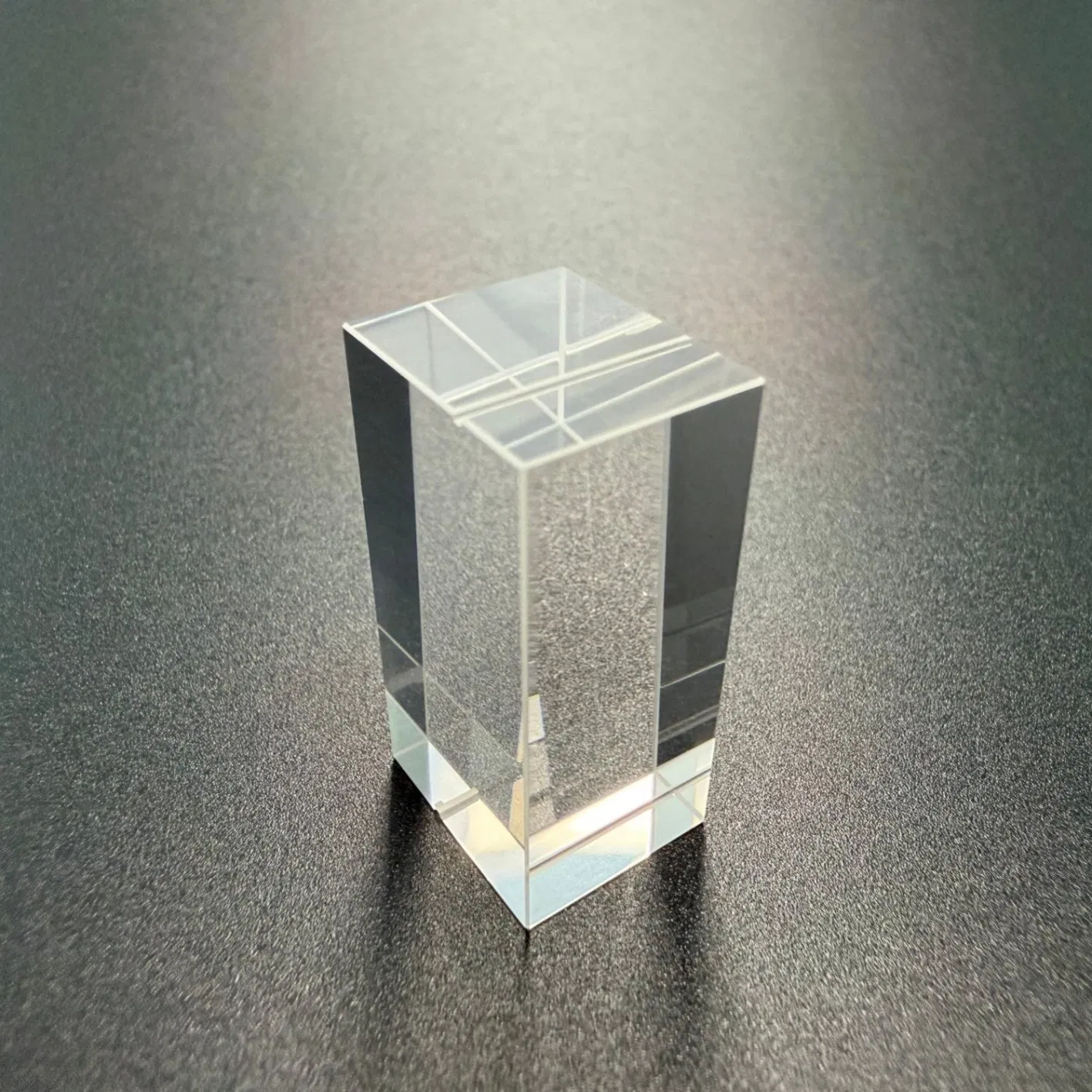
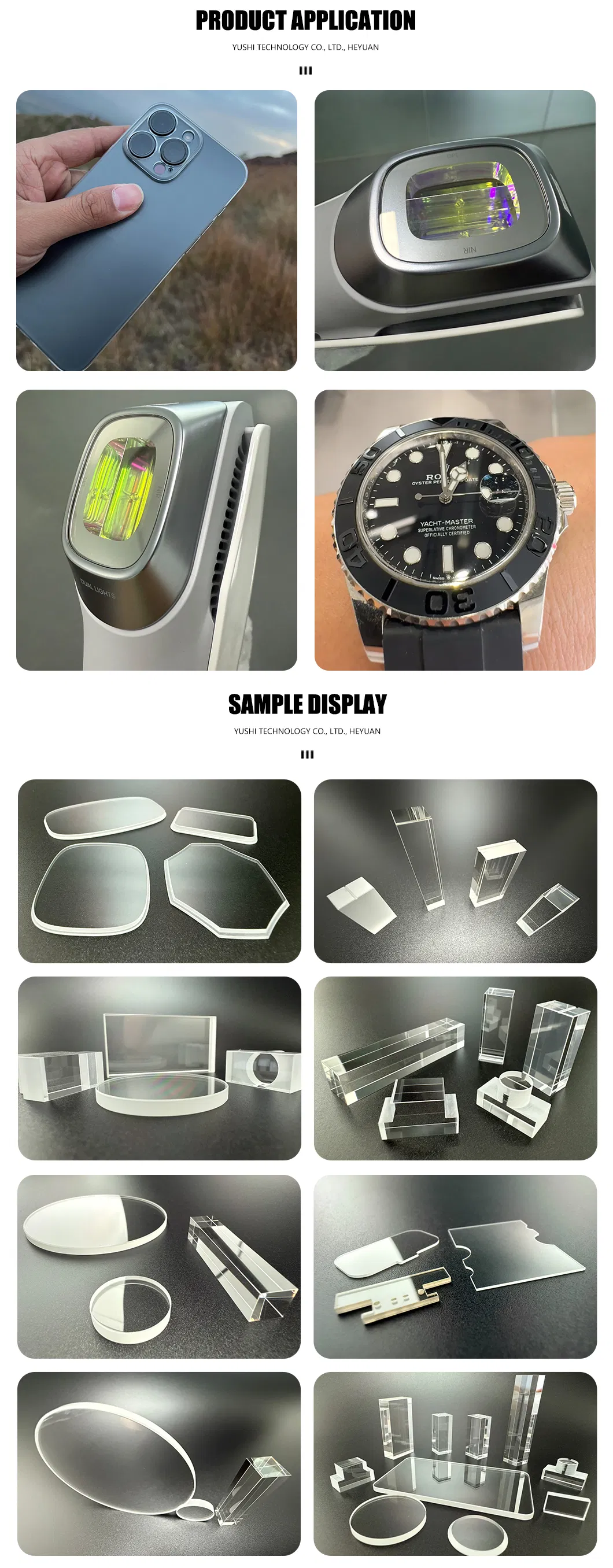
🚀Application Fields
Consumer Electronics: Smartphone camera covers, smartwatch crystals.
Industrial & Research: High-power laser windows, vacuum viewports.
Aerospace & Defense: Missile domes, periscopes, EO/IR pod windows.
Medical Devices: Endoscope protection lenses, surgical windows.
❓Frequently Asked Questions
Is sapphire glass made from real natural gemstones?
No, it is synthetic sapphire crystal created by crystallizing aluminum oxide at high temperatures. It has identical physical properties to natural sapphire but is man-made for industrial and optical clarity.
Why is sapphire glass more expensive than mineral glass?
The complex manufacturing and polishing process due to its extreme hardness makes it more costly. However, its unparalleled scratch resistance provides long-term value by reducing replacement frequency.
What is the primary advantage of using sapphire glass?
Its exceptional Mohs hardness of 9 (second only to diamond) makes it nearly impossible to scratch with everyday materials, ensuring long-term pristine clarity for lenses and covers.
Is sapphire glass shatterproof?
While extremely hard and scratch-resistant, it can be brittle. High hardness does not mean high impact resistance; it can still chip or shatter under sharp, concentrated impacts.
What is the optical transmission range?
Sapphire glass offers a very broad transmission range from 0.15 μm to 5.5 μm, covering Deep UV, Visible light, and Mid-Infrared spectrums.
Can sapphire glass withstand high temperatures?
Yes, it has a very high melting point of 2040 °C and can operate safely at temperatures up to 1900 °C in vacuum or inert gas environments.
 ApexSun Solar