Direct factory-sourced solar infrastructure components engineered for reliability, safety compliance, and maximum power generation yield.
Over the past two decades, China has evolved from a component manufacturer into the epicentre of global photovoltaic (PV) capacity building. This structural transformation has been accelerated by multi-billion dollar R&D investments, massive scale economies, and aggressive automation across cell production and module assembly lines.
According to the International Energy Agency (IEA), China controls over 80% of all solar manufacturing stages. For utility-scale buyers, EPC contractors, and global distributors, sourcing directly from Chinese capacity-building facilities is no longer just about lower Unit Levelized Cost of Energy (LCOE). It is a vital strategy for securing supply chains, integrating advanced automation like AI-driven microgrids, and acquiring long-term component support.
“True capacity building goes beyond assembling standard panels; it involves building integrated ecosystems that combine energy generation, battery storage, and smart cleaning tools under strict international certifications.”
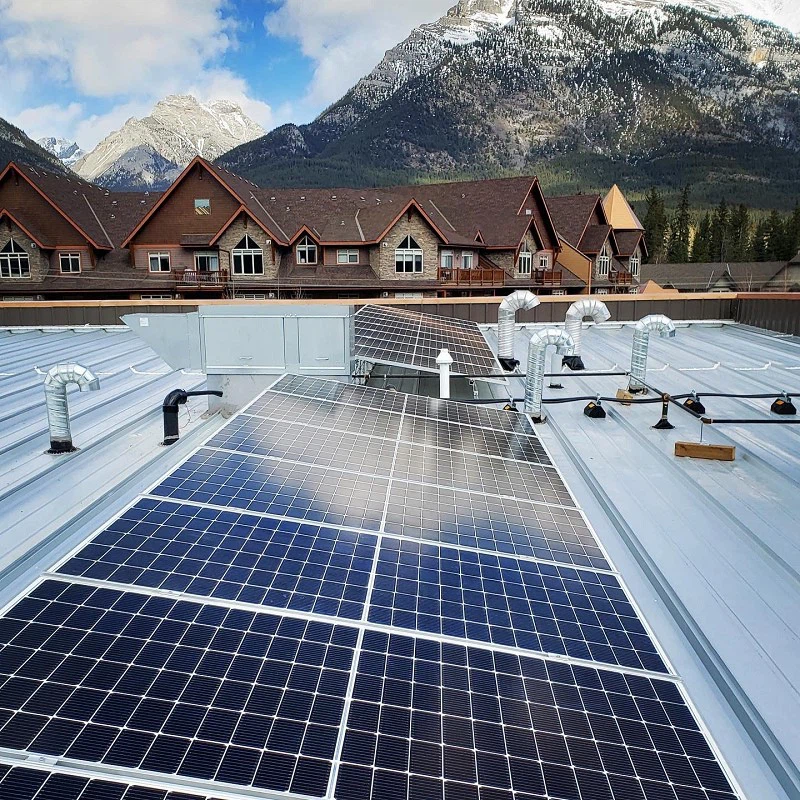
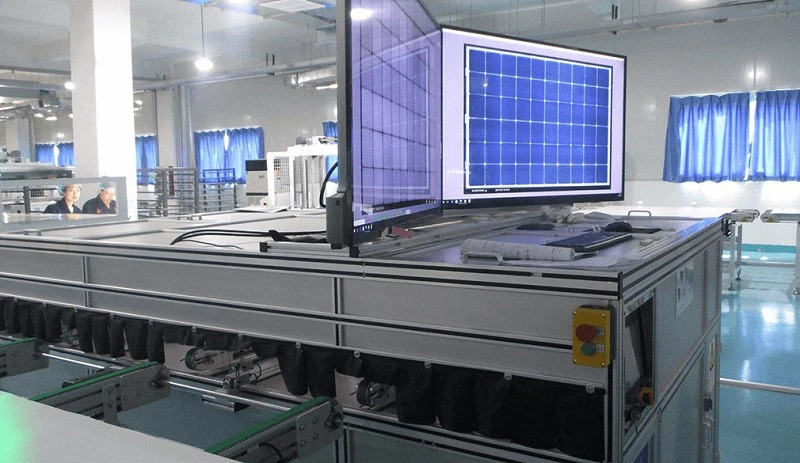
Founded in the early 2000s, Hangzhou ApexSun Solar Co., Ltd. has over 20 years of experience in producing high-quality photovoltaic production equipment. The company started out as a small workshop, specializing in the production of cell string welding machine. Since then, it has grown to become one of the leading manufacturers in the region.
Hangzhou ApexSun Solar Co., Ltd.'s success is attributed to its commitment to excellence, continuous innovation, and a focus on customer satisfaction. The company invests a significant amount of resources in research and development, allowing it to develop more efficient solar production equipment.
Over the years, Hangzhou ApexSun Solar Co., Ltd. has diversified its product to include a wide range of photovoltaic equipment and solar energy systems. The company's products are highly regarded for their performance, durability, and longevity, ensuring customers a reliable production equipment and sustainable source of energy.
Hangzhou ApexSun Solar Co., Ltd.'s growth has not only been limited to its product category but also to its production capacity. The company has expanded its manufacturing facilities to include state-of-the-art production lines and advanced manufacturing technologies. This has allowed Hangzhou ApexSun Solar Co., Ltd. to increase its production capacity while maintaining the high quality standards that have made it a market leader.
Today, Hangzhou ApexSun Solar Co., Ltd. is a well-established and respected player in the solar energy industry. Its products are exported to various countries around the world, and the company has built a strong reputation for its commitment to quality, innovation, and customer satisfaction. With its rich history and continued growth, Hangzhou ApexSun Solar Co., Ltd. remains a leading manufacturer of photovoltaic energy and is committed to promoting the use of renewable energy in the years to come.
Key technical trends shaping next-generation solar energy procurement and infrastructure deployments.
Modern Chinese production lines have transitioned from p-type PERC to N-type TOPCon and Heterojunction (HJT) solar cells. This upgrade offers higher cell conversion efficiencies exceeding 25.5%, lower temperature coefficients, and reduced light-induced degradation (LID).
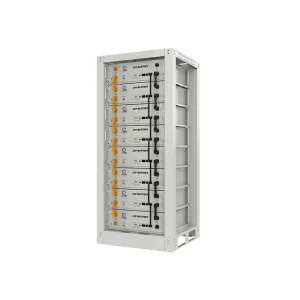
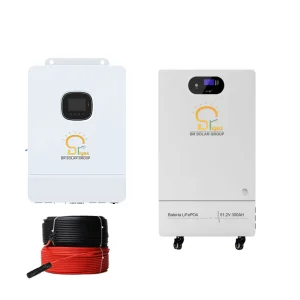
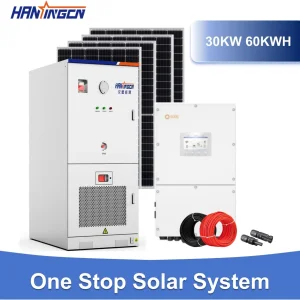
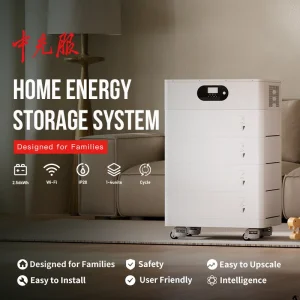
Battery Energy Storage Systems (BESS) are shifting from basic backup units to IoT-enabled assets. Integrating hybrid inverters with Cloud APP tracking and automated peak-shaving features ensures optimal distribution of stored PV power.
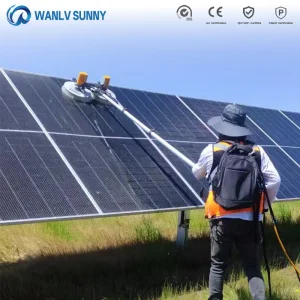
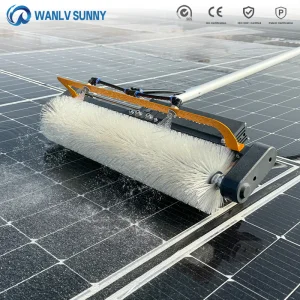
Accumulated dust and debris on PV modules can reduce energy production by up to 25%. Advanced dry and wet robotic solar panel cleaners with telescopic booms maintain plant performance without damaging module glass.
Tailoring advanced solar solutions for diverse environmental conditions and commercial demands.
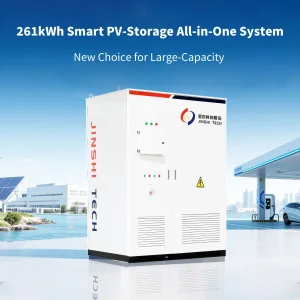
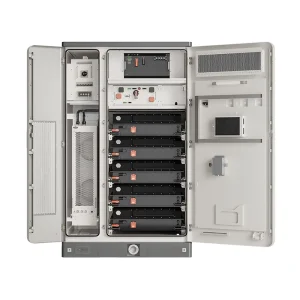
For high-load factories and schools, containerized BESS setups (such as the 233kWh Lithium Battery Energy Storage System Container) offer an effective peak-shaving solution. They store excess energy during low-tariff hours and discharge it during peak rates, lowering demand charges and providing reliable backup power during grid failures.
These modular containers include integrated liquid-cooling systems, active fire suppression, and smart energy management controllers, ensuring safe operation over long service lives.
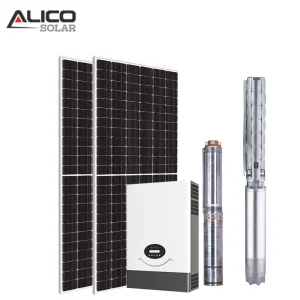
In agricultural regions such as Pakistan, fuel-driven water pumps incur high operating costs. Utilizing DC submersible solar pumps allows direct operation from PV arrays without complex inverters.
This off-grid configuration supports steady irrigation, increases crop yields, and reduces operating costs, making it a reliable solution for remote farming communities.
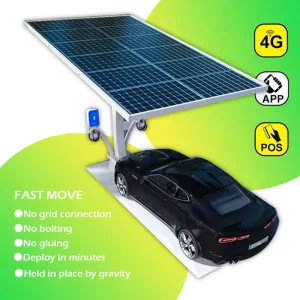
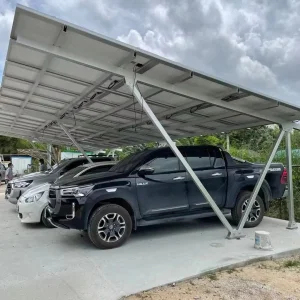
As electric vehicle (EV) adoption grows, integrating solar power into parking infrastructure is increasingly important. Solar carports generate clean electricity while providing shade for vehicles.
Equipped with high-strength steel framing, waterproof designs, and integrated EV chargers, these carports transform standard parking spaces into productive clean energy hubs.
In densely populated regions like Europe, balcony solar systems are expanding energy access for apartment residents. These compact, user-installable kits include microinverters, portable storage batteries, and lightweight panels.
Users can monitor power production in real time via smartphone applications, allowing them to offset daily base loads and maintain backup power during local grid outages.
Navigating the global photovoltaic supply chain requires a structured risk-mitigation framework. When selecting solar equipment factories, procurement teams should evaluate suppliers against key compliance criteria:
Ensure all lithium energy storage systems carry CE, RoHS, UN38.3, and MSDS test certifications. These documents are required to clear customs, obtain commercial liability insurance, and ensure transport safety.
A reliable capacity-building partner must offer custom mechanical and electrical engineering. This includes tailoring sheet-metal chassis dimensions for outdoor cabinets, matching grid voltages (e.g., 380V three-phase systems), and integrating specific inverter communication protocols.
Factories should perform EL (Electroluminescence) testing to detect micro-cracks in cells before shipping. Energy storage systems should undergo complete cycle burn-in tests to verify battery management system (BMS) performance prior to dispatch.
Partnering with Hangzhou ApexSun Solar Co., Ltd. provides access to robust solar products backed by years of manufacturing expertise.
Technical responses to common procurement, integration, and operational queries from global buyers.
Engineered to support high-performance solar installations, commercial microgrids, and electric vehicle charging hubs.
 ApexSun Solar